Iran–Europe Standoff at the UN: Diplomacy at the 90th Minute
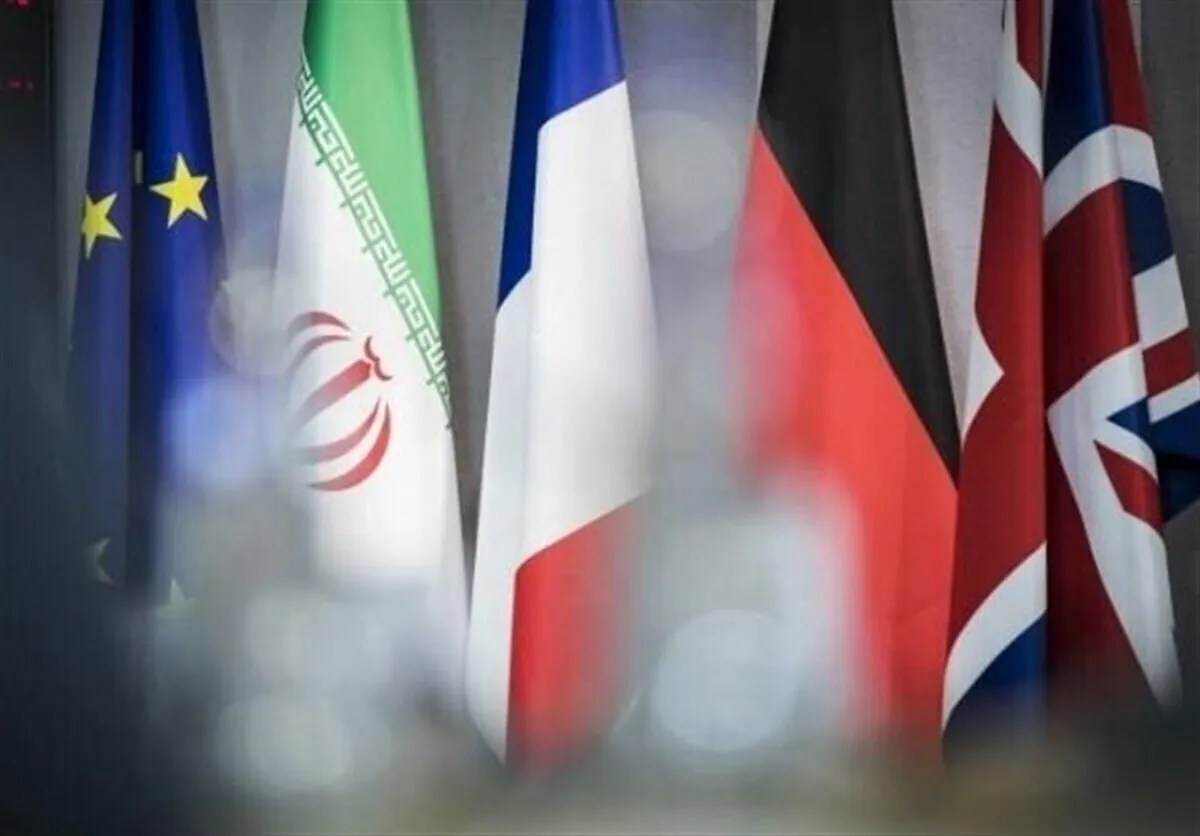
Tehran - BORNA - As the final hours before Sunday’s deadline for new sanctions draw near, negotiations are frozen, disagreements remain sharp, and Western states show little willingness to compromise. France and the UK blamed Tehran for failing to seize “offered opportunities,” while China, Russia, and Iran insisted that Tehran had presented significant proposals to restart talks. Analysts now argue that Washington’s silence ahead of snapback reflects a deliberate strategy: delegating Europe to play “bad cop,” consolidating transatlantic unity, and sidelining genuine diplomacy.
A decade of European broken promises
The General Assembly once again became a theater for Tehran–Europe confrontation. President Masoud Pezeshkian bluntly accused the European trio of reneging on commitments: “After ten years of broken promises, today they have tried with arrogance and blatant abuse to reinstate annulled resolutions against the Iranian nation.”
The tone recalled Iran’s longstanding narrative that it was Europe, not Tehran, that undermined the JCPOA. For a decade, these grievances lingered in political rhetoric—until now, when they have translated into sanctions and pressure.
Pezeshkian later met Emmanuel Macron in New York in what seemed more like a formal exchange of positions than a genuine search for solutions. Macron reiterated the three European conditions on social media, declaring: “Agreement remains possible. Only hours are left. It depends on Iran.”
Meanwhile, Iranian FM Abbas Araghchi held tense talks with his European counterparts and EU foreign policy chief Kaja Kallas. The Europeans demanded Iran act “within days, even hours”: full IAEA access to all nuclear sites and direct talks with Washington. Tehran, however, sees Europe’s double role—as supposed mediator and simultaneous enforcer of snapback—as a structural contradiction that has blocked diplomacy since 2018. Europe once promised INSTEX to preserve the JCPOA; today, it has become a lever of U.S. pressure.
Grossi: Technical or political?
Rafael Grossi, IAEA director-general, has also emerged at the center of the standoff. His claim that Iran could enrich to 90% “within weeks” may sound like a technical assessment, but in practice it served Western and Israeli hardliners. Many in Tehran now see Grossi less as a neutral technocrat and more as a political actor with ambitions beyond Vienna, perhaps eyeing future UN leadership with Western backing.
In response, President Pezeshkian reiterated a firm red line:
“Iran has never sought nuclear weapons and never will. This is a religious belief and a fatwa from the Supreme Leader.”
The message was clear: while the West raises alarm over capabilities, Tehran continues to define nuclear weapons as a taboo.
Tehran’s political levers
Western powers understand that financial sanctions alone cannot alter Iran’s calculus. Their strategy now extends to deeper restrictions: intrusive inspections, controls over damaged facilities, and efforts to contain Iran’s peaceful nuclear program. Sanctions have become part of a broader structure of limitation, aiming to curb both Iran’s regional influence and its nuclear progress.
Tehran has warned that its response will be proportional. SNSC Secretary Ali Larijani told PBS that if Europe triggers snapback, Iran will suspend cooperation with the IAEA in line with parliamentary law. FM Araghchi, in a separate statement, accused the E3 of undermining Europe’s own credibility: “By initiating this game, the Europeans will not only fail but also exclude themselves from future diplomatic processes.”
In its first retaliatory step, Iran recalled its ambassadors from Berlin, Paris, and London for consultations. Broader measures are under review.
Beyond diplomacy
The reality is that once snapback is activated, events will transcend the control of European capitals. Diplomacy will no longer suffice; economics, regional politics, and international security will intertwine.
Tehran has consistently highlighted Western bad faith, but the horizon increasingly resembles a diplomatic dead end. From now on, each move—by Tehran or the West—will be shaped less by dialogue and more by calculations of deterrence, pressure, and the capacity for political maneuver.
By Omid Mohseni, Analyst at Borna News Agency
End Article