
Iran excels in patents, STEM graduates in Global Innovation Index 2026
Despite a drop in its overall ranking, Iran has maintained top global positions in several scientific, technological, and intellectual property indicators in the World Intellectual Property Organization's (WIPO) Global Innovation Index (GII) 2026.
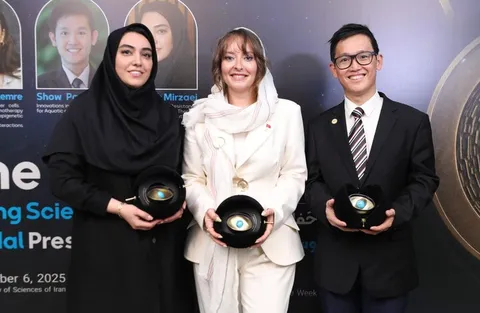
Rasul Medal shortlist finalized, winners to be announced in autumn
The shortlist for the second edition of the Rasul Medal has been officially released, highlighting top young scientific talents across various disciplines in the Islamic world.
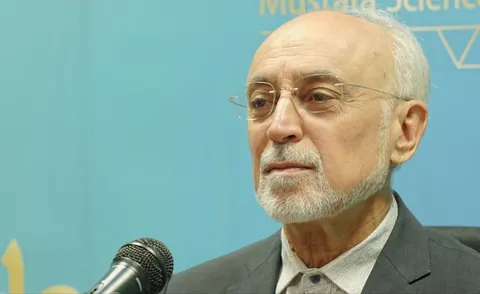
Building an Infrastructure of Trust for Funding Science
Ali Akbar Salehi, Chairman of the Board of Directors of the Mustafa(pbuh) Science and Technology Foundation, announced the creation of a platform that facilitates cross-border, transparent, and targeted participation in financing science.

Apple unveils foldable iPhone Duo, iPhone 18 Pro, and new line of devices at annual event
Apple unveiled its latest product lineup on Wednesday during its fall launch event—the first led by newly appointed CEO John Ternus—highlighted by the debut of its long-anticipated foldable smartphone, the "iPhone Duo," TechCrunch reported.
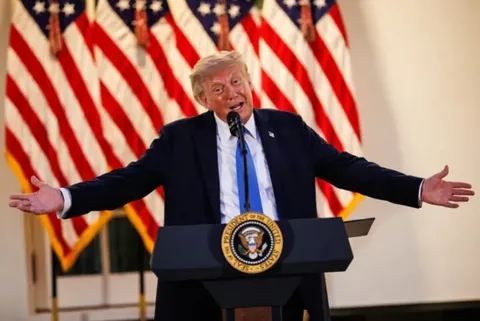
Trump claims the Moon belongs to America
US President Donald Trump has sparked fresh controversy after posting images of the Moon and suggesting that Earth’s natural satellite belongs to the United States.
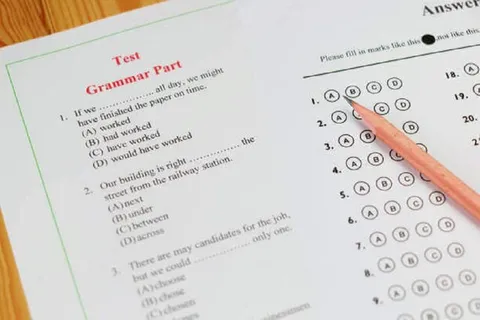
ETS formally halts TOEFL, GRE testing in Iran
The US-based Educational Testing Service (ETS) has formally suspended administration of the TOEFL and GRE exams in Iran.
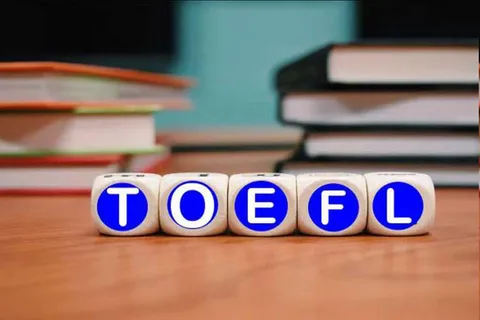
Iranian Science Minister Slams TOEFL Ban as ‘Stone Age’ Behavior
Iranian Minister of Science, Research, and Technology Hossein Simaei Saraf has strongly condemned international sanctions barring Iranian nationals from taking standardized tests such as TOEFL, describing the restriction as primitive and uncivilized.
Iran-Iraq tech cooperation enters strategic phase
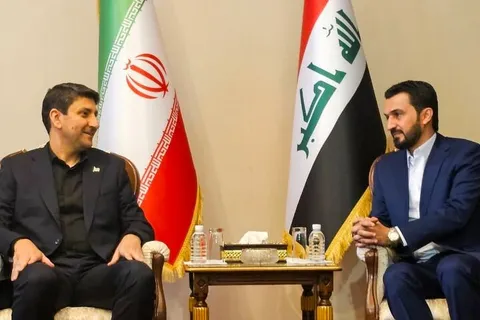
From communications infrastructure and data-exchange capacity to cybersecurity, the digital economy, new technologies and tech-company partnerships, ties between Iran and Iraq in telecommunications and IT are moving beyond occasional cooperation toward a broader, more durable framework — a shift that gained momentum in recent months with visits by Iran's communications minister to Baghdad and Iraq's communications minister to Tehran.
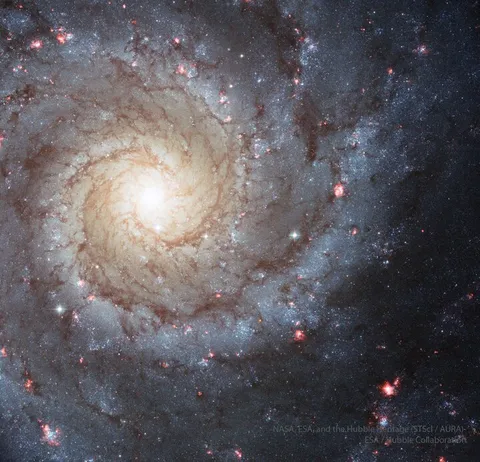
NASA photo of the day showcases one of universe’s most photogenic galaxies
Spiral galaxy M74, with its luminous spiral arms and numerous blue star clusters, is regarded as one of the most photogenic galaxies in the sky, with a Hubble Space Telescope image revealing remarkable details of its star-forming regions and cosmic dust lanes.
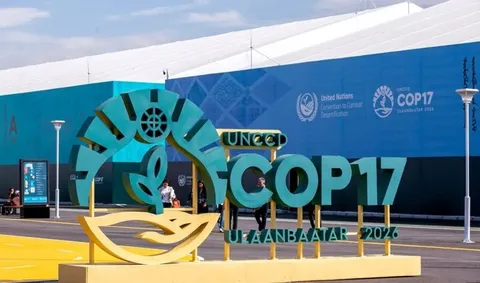
Iran proposals included in Asia declaration at UN desertification conference
According to Iran’s Natural Resources and Watershed Management Organization, the proposals were approved during the closing meeting of Asian countries party to the UN Convention to Combat Desertification (UNCCD), held on Friday on the sidelines of the 17th session of the Conference of the Parties (COP17) in Ulaanbaatar, Mongolia.