CBI Governor urges IMF to adopt realistic approach in economic assessments
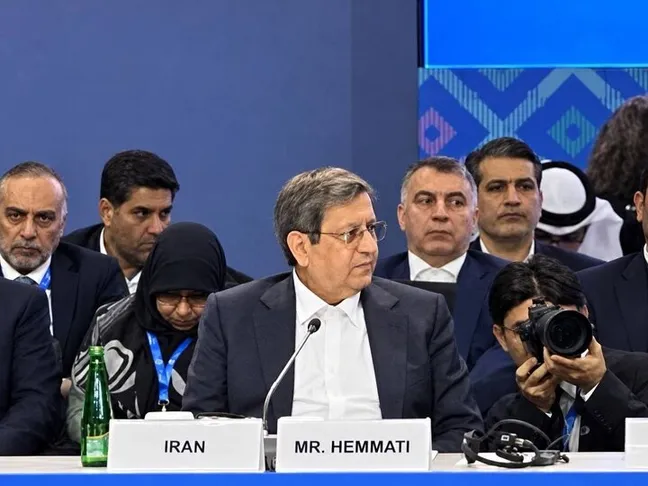
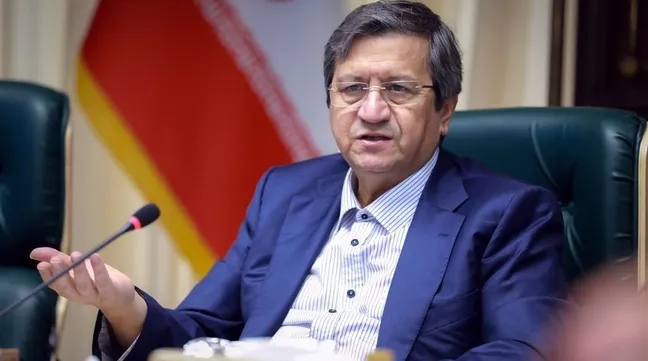
The Governor of the Central Bank of Iran (CBI) has emphasized the resilience of the country's economic indicators and its capacity to manage monetary and foreign exchange balances, noting that the International Monetary Fund (IMF), as a specialized international institution, should adopt a realistic, professional approach free from external pressures in its economic assessments.
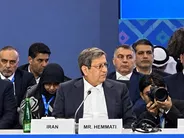
Iran central bank chief at IMF: Claims of Iran's economic collapse are an illusion
Central Bank Governor Abdolnaser Hemmati said Iran's economy has shown strong resilience despite what he described as US and Israeli war against Iran, combined with maximum US sanctions and economic pressure, and rejected claims that the Iranian economy is collapsing.
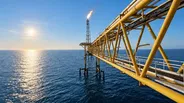
South Pars overhauls completed; reconstruction pursued at faster pace
Iran’s Acting Minister of Petroleum has announced the completion of the bulk of major overhauls at the South Pars gas field, stating that reconstructions and development projects are being pursued at a faster pace to ensure proper service delivery to the Iranian people during the upcoming winter.

Iran's water rights, energy cooperation take center stage in minister's visit to Afghanistan
Iranian Energy Minister Abbas Aliabadi visited Afghanistan late last week to hold talks with local officials and economic operators on expanding bilateral cooperation in the water and energy sectors, with a particular focus on securing Iran's water rights and facilitating Iranian participation in Afghan infrastructure projects.

Central Bank governor vows resilience against US economic warfare
The Governor of the Central Bank of Iran (CBI), Abdolnaser Hemmati, has assured the Iranian public that the national economy will not break under the weight of US economic warfare, revealing that Tehran has successfully thwarted Washington’s primary objective of triggering catastrophic hyperinflation.
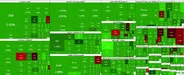
Tehran Stock Exchange surges as main index nears 8 million mark
The Tehran Stock Exchange (TSE) continued its robust upward trajectory on Tuesday, with the main index soaring by 187,265 points to stand on the verge of the eight-million milestone.
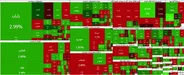
Tehran stocks rise; main index passes 7.7 million points
The Tehran Stock Exchange opened the trading week with gains, as the main index rose 21,810 points to close at 7,788,000 — extending the market's upward trend.
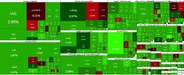
Tehran stocks rebound sharply as TEDPIX surges 121,000 points
The Tehran Stock Exchange (TSE) rebounded sharply on Sunday, with the benchmark TEDPIX surging more than 121,000 points to reclaim the 7,274,000-point mark following steep losses in the previous session.

Oil prices extend upward trend
Oil prices rose more than 2% in Thursday's global trading as investors focused on uncertainty surrounding a possible US ban on diesel exports.
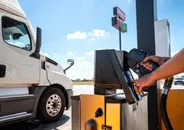
US diesel price tops $6.50 a gallon as global fuel crisis deepens
The average retail price of diesel in the United States surged past $6.50 a gallon over the weekend, as a worsening global fuel crisis threatens economies worldwide.
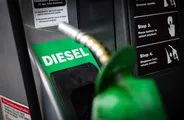
US Diesel Prices Hit Record High, Threatening to Reignite Inflation
The average price of diesel fuel in the United States has climbed to an all-time high, surpassing $6.29 per gallon, as tight global refining capacity and the economic fallout from the war with Iran strain supplies and drive up costs across the economy.

Iran's Volleyball Team Falls Short Against Japan, Claims Asian Silver
Iran's national volleyball team settled for the Asian silver medal after suffering a straight-set defeat against Japan in the final of the Asian Men's Volleyball Championship.
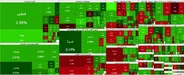
Tehran Stock Exchange Conquers 7.4 Million-Unit Mark
The capital market continued its upward trajectory on the second day of the week, with the Tehran Stock Exchange (TSE) overall index surging by over 153,000 points to enter the 7.4 million-unit channel. This trend indicates that market demand remains robust and the main indices of the TSE and Iran Fara Bourse (IFB) are on track to set new records.
most impoertantNews