Iran FM: Gaza genocide result of world’s failure to learn from Srebrenica massacre
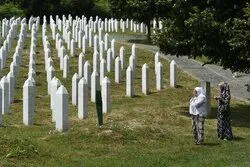
Tehran - BORNA - Araghchi made the remarks on the occasion of the 30th anniversary of the Srebrenica massacre, the deadliest mass killing in Europe since the Second World War.
“Last year, the UN voted to designate July 11 as the International Day of Remembrance for the Srebrenica Genocide,” Araghchi wrote on his X account on Thursday.
Araghchi called it “a day of shame for those who were either complicit or stayed silent as thousands of innocent Muslims were massacred.”
In July 1995, around 8,000 Muslims were massacred after Dutch forces handed them over to the Bosnian Serb troops, which the international war crimes tribunal labeled as genocide.
“On the 30th anniversary of this grave atrocity, Iran pays tribute to the innocent martyrs and expresses solidarity with the survivors and their families.”
“Had the world truly internalized the lessons of Srebrenica, we would not be witnessing another genocide against Muslims, this time in Gaza,” he noted.
The top diplomat also said that Iran will always stand with the oppressed, “be it in Bosnia and Herzegovina or in Palestine.”
The Srebrenica genocide, also known as the Srebrenica massacre, occurred during the Bosnian War in 1995. Srebrenica, located in eastern Bosnia and Herzegovina, was declared a United Nations safe area in 1993, protected by Dutch UN peacekeepers.
In July 1995, Bosnian Serb forces led by General Ratko Mladić overran Srebrenica, which was predominantly inhabited by Bosniaks (Bosnian Muslims), despite its designation as a safe area.
The Dutch peacekeepers failed to prevent the Bosnian Serb forces from entering the town and in less than two weeks, Bosnian Serb forces systematically massacred more than 8,000 Bosniak men and boys and dumped their bodies in numerous mass graves in an attempt to hide their crime.
The genocide included mass executions, forced deportations, and other atrocities.
The Srebrenica genocide triggered widespread outrage and contributed to international intervention in the Bosnian War. The war lasted until December 14, 1995, and more than 100,000 people were killed and two million more were displaced.
The fate of almost 7,000 people who disappeared during the war is still unknown.
End Article