Araghchi: In 12-day war, Iranians showed never bow down to bullying
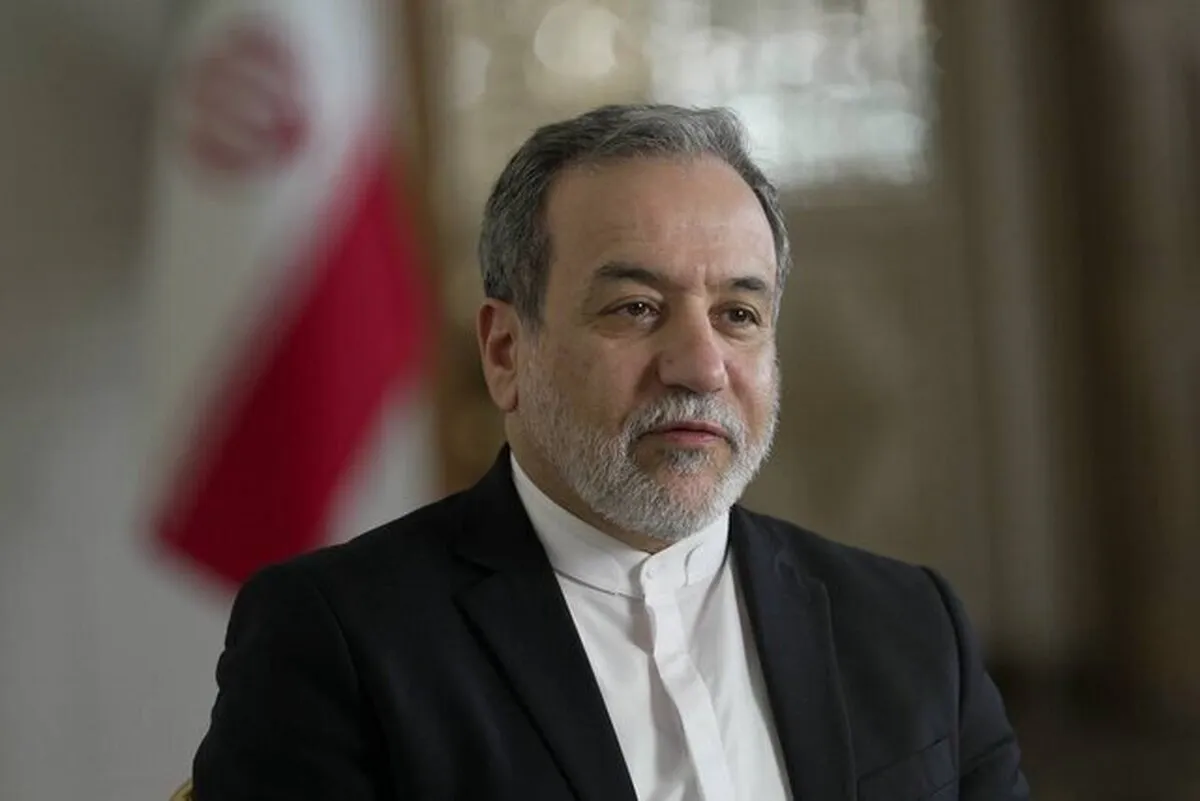
Tehran - BORNA - Iran's Foreign Minister Seyed Abbas Araghchi, in a meeting with economic activists in Isfahan on Thursday, emphasized that the country’s economy is currently on the front lines of an economic war. He stated that economic actors are the "soldiers" of this battlefield and reaffirmed the Foreign Ministry's commitment to smoothing their path through economic diplomacy and the removal of domestic obstacles.
During the meeting, Araghchi highlighted that Iran has successfully navigated 40 years of imposed sanctions despite the involvement of the world’s major military powers and intense propaganda. He warned of a "new conspiracy" aimed at worsening economic conditions to fuel internal dissatisfaction. Drawing a parallel to recent events, he noted: "Just as we overcame the crisis during the 12-day war through the resistance of our armed forces, the use of indigenous missiles, and the collective effort of the people, we must now join hands to defeat this economic crisis."
The Foreign Minister pointed out that the country's economic challenges are not solely due to sanctions, but also stem from corruption, mafia networks, managerial weaknesses, and ignorance. He argued that there is an ongoing attempt to portray the nation's economic situation as worse than it is. Araghchi referred to the "Snapback" experience, explaining that efforts were made to create a narrative far worse than reality to cause a psychological collapse of the economy, but these attempts failed.
Araghchi outlined two primary missions for the Ministry of Foreign Affairs: first, a continuous and prioritized effort to lift sanctions, and second, helping the economy stand on its own feet regardless of those sanctions. He emphasized that sanctions, while costly, also provide an opportunity for the economy to grow independently. "We can only complain about sanctions once all national capacities have been utilized, yet many capacities in economic and neighborhood diplomacy remain untapped," he added.
He introduced Dr. Ghanbari, the Deputy for Economic Affairs at the Foreign Ministry, and Dr. Heidari, the Deputy for Investment at the Ministry of Economy, as experienced officials tasked with identifying and resolving economic barriers. Araghchi shared a personal anecdote from a recent trip abroad where he successfully lobbied for an Iranian company in a $600 million tender against foreign competitors, emphasizing that such actions are taken purely to support the private sector.
The Foreign Minister also touched upon the importance of the Persian carpet industry, calling it the "ambassador of Iranian culture and art." He expressed concern over the decline of carpet workshops in provinces like Tabriz and stated that the government is working to resolve currency restrictions and problems faced by weavers to boost both employment and exports.
Furthermore, Araghchi described "provincial diplomacy" as a key initiative, particularly in border provinces. He stated that there are vast economic capacities, including regional trade markets and transit centers, that can be unlocked through diplomacy. He noted that many economic activists see domestic hurdles—such as customs, banking, and legal limitations—as more significant than foreign sanctions.
In conclusion, Araghchi reiterated that exporters and economic activists are the soldiers of today’s economic front, much like the armed forces in conventional warfare. He stated: "Just as we preserved the country during the 12-day war, we can overcome these crises by removing internal obstacles and providing government support." He warned that while enemies may not repeat past mistakes, Iran must remain vigilant against internal neglect and rely on the resolve of the private sector to succeed in this economic struggle.
End Article