Araghchi to Travel to Geneva This Afternoon
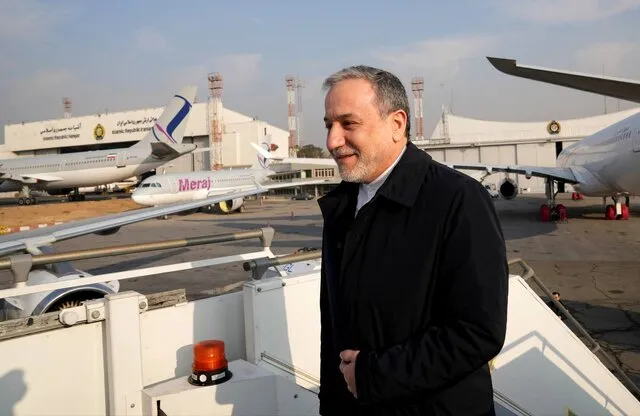
Tehran - BORNA - The third round of Iran–U.S. talks is scheduled to be held Thursday morning, mediated by Oman, at the Omani residence in Geneva.
Following the second round of talks, Araghchi announced that the two sides had reached an understanding on general guiding principles for continuing negotiations and would work on various aspects of a potential agreement and its draft ahead of the third round.
Although both Tehran and Washington described the second round of indirect negotiations as constructive, recent statements and positions taken by both sides over the past week suggest that the process remains challenging.
Earlier Wednesday, U.S. President Donald Trump, speaking before Congress, made a series of accusations against Iran regarding its regional activities, domestic affairs, missile program, and alleged military actions against nuclear sites.
Trump claimed that following “Operation Midnight Hammer,” Iran had been warned not to build nuclear weapons but was now seeking to restart its nuclear program. “Right now, they are pursuing their sinister objectives. We are negotiating with them. The Iranians want a deal, but we have not yet heard statements indicating a decision by Iran not to pursue nuclear weapons,” he said.
He added that while he preferred to resolve the issue through diplomacy, he would never allow what he called “the world’s number one state sponsor of terrorism” to obtain a nuclear weapon. Observers say Trump’s insistence that Iran must declare it will not acquire nuclear weapons reflects a push for “zero enrichment,” a demand firmly rejected by Iranian officials.
In an interview with the CBS News program “Face the Nation,” Araghchi stressed that uranium enrichment is Iran’s right and that the country is entitled to peaceful nuclear energy. He noted that solutions regarding enrichment are possible and that proposals have already been exchanged with the American side.
In recent weeks, Trump has ordered a significant deployment of U.S. naval and air forces to the region, a move widely interpreted as pressure aimed at gaining leverage in negotiations. The deployment has drawn reactions from Iran and regional countries and has reportedly faced criticism within U.S. political circles as well.
U.S. media outlets have reported that General Dan Caine warned President Trump and senior officials that a military campaign against Iran could entail substantial risks. While Trump dismissed such reports as “fake news,” conflicting signals continue to emerge in Washington. Caine is said to have been involved in overseeing a previous strike on Iranian nuclear facilities earlier this year.
Meanwhile, ahead of Thursday’s talks, regional media speculated about a possible trip by Ali Larijani, Secretary of Iran’s Supreme National Security Council, to a regional country. The UAE-based newspaper The National reported that Larijani traveled to Muscat to convey Iran’s position on the nuclear negotiations and deliver Tehran’s final response to a U.S. proposal. Iranian officials have neither confirmed nor denied the reported visit.
Referring to the 2015 nuclear agreement, known as the Joint Comprehensive Plan of Action, Araghchi said in his CBS interview that while that accord involved extensive technical details, a new agreement may not require the same level of complexity. “We can agree on principles and core issues, ensure that Iran’s nuclear program remains peaceful forever, and at the same time see more sanctions lifted,” he stated.
Responding to remarks by U.S. Secretary of State Marco Rubio that any meaningful deal with Iran should also address its regional policies and missile capabilities, Araghchi said the current negotiations are limited strictly to the nuclear issue.
It is also expected that Rafael Grossi, Director General of the International Atomic Energy Agency, will be present in Geneva during the third round of talks. In recent remarks, he underscored the importance of achieving a diplomatic resolution to the nuclear issue, particularly in light of escalating rhetoric and threats of military action.
End Article