U.S. Stockpiles May Not Sustain Prolonged Conflict with Iran
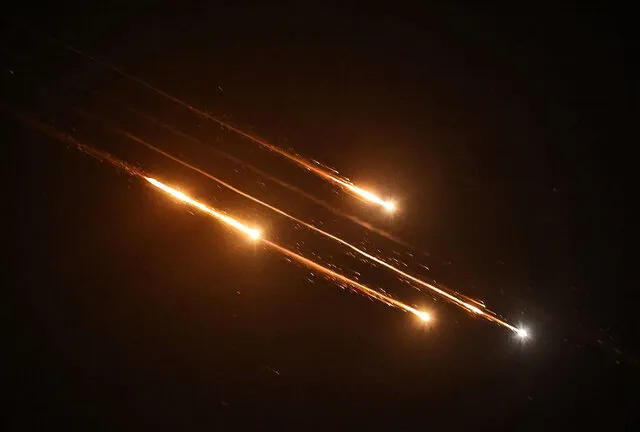
Tehran - BORNA - According to the report, sustained operations against Iran could push critical air defense systems to the brink of exhaustion. Pentagon officials and lawmakers have reportedly cautioned that continuous military engagement could place significant strain on U.S. stockpiles, particularly air defense interceptors.
General Dan Keen, Chairman of the U.S. Joint Chiefs of Staff, has expressed concerns since January about shortages in air defense interceptors. Politico notes that these worries have intensified in recent weeks, coinciding with what has been described as the largest U.S. military buildup in the Middle East since the Iraq War.
The report links these concerns to the expansion of U.S. military operations under Donald Trump, including operations targeting the Venezuelan leadership, alleged drug traffickers, Yemen’s Houthi forces, and last year’s attack on Iran. According to the article, many of these operations have consumed significant quantities of Standard-3 missiles, THAAD interceptors, and Patriot missiles.
Politico emphasizes that the U.S. defense industry has long faced challenges in producing air defense interceptors, with production complexity and speed being major obstacles. The report cites six current and former U.S. officials and members of Congress, noting widespread concern that potential Iranian responses could further deplete U.S. air defense reserves and leave tens of thousands of American personnel in the region vulnerable to missile attacks.
An anonymous defense official described the shortage of air defense systems as a “core and ongoing concern.” The report also notes that U.S. NATO allies have faced Patriot system shortages, particularly regarding shipments to Ukraine.
Some lawmakers have also warned about the consequences of a prolonged conflict. Senator Richard Blumenthal, a Democrat, stated that the U.S. defense industry is not producing Patriot and long-range missiles quickly enough to meet the needs of Ukraine and U.S. partners in the Middle East. He further cautioned that transferring interceptors from the region to Ukraine could complicate the protection of U.S. embassies and bases in the area.
Finally, Politico cites estimates from the Center for Strategic and International Studies indicating that the U.S. has already used up to 20% of its Standard-3 interceptors planned for 2025 and between 20–50% of its THAAD missiles.
End Article