No Radioactive Material Leak Recorded at Natanz Site
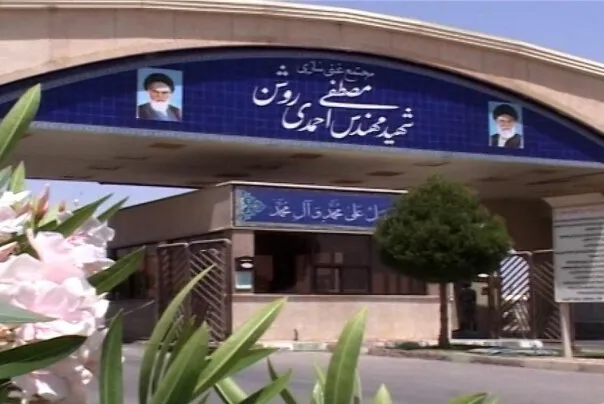
Tehran - BORNA - Following the criminal attack by the United States and the usurping Zionist regime on the Shahid Ahmadi-Roshan enrichment complex in Natanz, which violates international laws and obligations including the NPT and other nuclear safety and security regulations, technical and specialized assessments were conducted regarding the possibility of radioactive contamination in the vicinity of the complex.
In a statement, the Atomic Energy Organization of Iran informed the Iranian public that, considering the planned precautions, prior arrangements, and data recorded by monitoring systems, no radioactive material leak has been recorded at the complex. Therefore, no risk threatens the residents of surrounding areas, and the radiological safety situation remains stable and fully under control.
Mohammad Eslami, head of the Atomic Energy Organization of Iran, in a letter on Monday to Rafael Grossi, Director General of the International Atomic Energy Agency, reported regarding the recent attacks by the United States and Israel on Iran’s peaceful nuclear facilities. He stated that again on the afternoon of Sunday, 10 Esfand 1404, the Natanz nuclear institute was targeted in two separate attacks that were barbaric and contrary to international law.
It is noteworthy that military attacks on peaceful nuclear facilities violate the Geneva Conventions and their relevant protocols, the IAEA Statute, the UN Scientific Committee on the Effects of Atomic Radiation (UNSCEAR) framework, the Treaty on the Non-Proliferation of Nuclear Weapons (NPT), the Comprehensive Safeguards Agreement between Iran and the IAEA (INFCIRC/214), IAEA Board of Governors and General Conference resolutions, IAEA safety standards, and other relevant international documents.
End Article