NYT: US and Israel will now deal with a bolder generation of Iranians
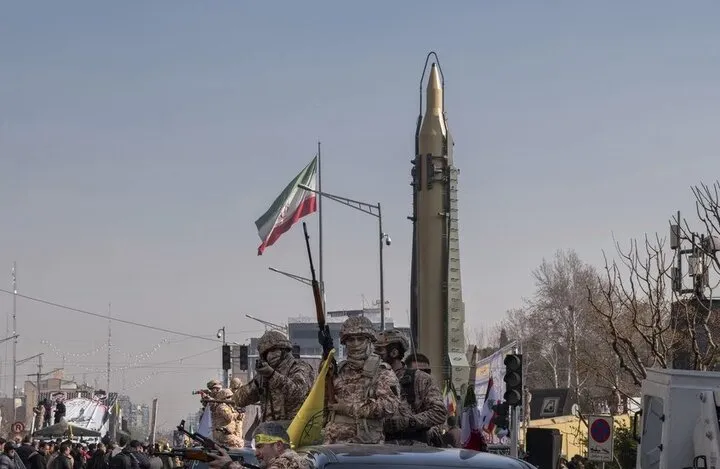
Tehran - BORNA - The New York Times wrote: "Washington and Tel Aviv entered a war against Iran seeking to uproot and end Iran's nuclear program. But the result is an Iran more determined than ever to pursue its goals. During this war, Iran not only remained standing but also maintained significant military and nuclear capabilities."
Sanam Vakil, director of the Middle East and North Africa program at Chatham House, believes: "Iran is now led by a younger, bolder generation in power."
These new leaders believe they can survive even another major war without significantly changing their negotiating positions or regional goals. These goals include restoring their deterrent power so they are not attacked again as they were in late February. They will preserve the right to enrich uranium, even at low levels after a suspension period, along with their scientific knowledge and equipment.
Iran has shown that it is a tough negotiator willing to endure a high level of suffering to preserve its core interests.
According to analysts, Iran's leaders believe that US President Donald Trump does not intend to restart an all-out war, noting that he has set limits on Israel's willingness to attack Iran.
Ali Vaez, Iran project director at the International Crisis Group, says: "The United States and Israel cannot achieve through force what they have not achieved through war. The Iranians believe they have passed the worst stage and will strive to preserve their core demands, including the nuclear right, the ballistic missile program, and support for resistance forces such as Hezbollah, Hamas, and Yemen's Ansarullah."
According to experts, Iran may agree to a limited suspension of enrichment and may export half of its current high-enriched uranium stockpile while agreeing to dilute the other half, but Iran will still preserve its nuclear knowledge and infrastructure, including advanced centrifuges.
Danny Citrinowicz, a retired Israeli military intelligence officer and Iran expert, believes this, along with the ability to close the Strait of Hormuz again at any time, will give Iran "an opportunity to prevent another attack by Israel and the United States."
Iran wants to release about $12 billion of its frozen assets and receive another $12 billion as a subsequent payment for progress on any deal. The Iranians want to test the US President's willingness to confront intense opposition from some Republicans and Israel over delivering money to Iran. Key nuclear issues have largely been deferred to more detailed negotiations over the next 60 days.
Sanam Vakil, director of the Middle East and North Africa program at Chatham House, said Iran's long-term goals remain intact, including preventing future attack from the United States and Israel, seeking to isolate Israel among Arab countries, and reducing the US military presence and capabilities in the region.
Suzanne Maloney, an Iran expert at the Brookings Institution, believes: "We are probably going to be in a prolonged state of limbo that works in Iran's favor. Neither war nor peace is comfortable for Iran because it only increases pressure on Trump to accept any deal to free up transit through the Strait of Hormuz and try to restore balance to the energy, fertilizer, aluminum, and other markets."
End Article