Iran's frozen assets release has begun, economy minister says
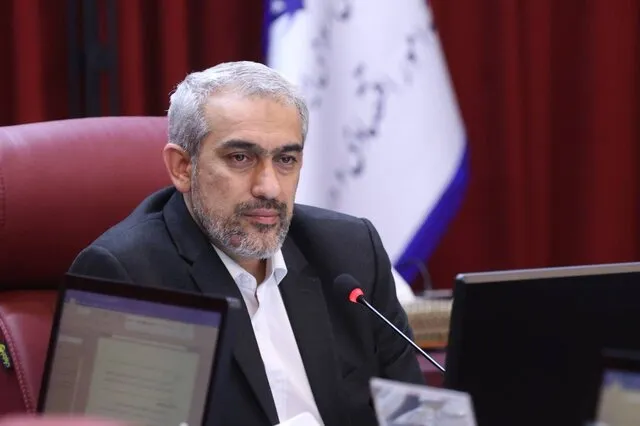
Tehran - BORNA - Seyed Ali Madanizadeh, speaking on the sidelines of the ceremony marking the start of summer 2026 trading at the stock exchange, said that the government's policy – along with that of the Economy Ministry and the economic team – is to reduce inflation. Therefore, long-term bank rates must not signal inflationary expectations. Consequently, long-term rates must be lower than short-term rates.
He added that until now, long-term rates had been higher than short-term rates, which in a way signaled inflation and created an inflationary anchor. The current plan is to ensure that long-term rates remain below short-term rates, though the Central Bank will decide on short-term rates.
Regarding the "Roish" plan, which aims to encourage investors to invest in exchange-traded funds, Madanizadeh said the plan's goal is for people to invest their foreign currency resources in the stock market and receive foreign currency returns. These resources would also be used in production. He noted that the Central Bank has issued permits up to a certain ceiling, and his estimate is that there will be good demand for foreign currency investment funds.
In response to a question about controlling inflation, the Economy Minister said inflation control is primarily the Central Bank's responsibility. However, since inflation stems from banking and budgetary imbalances, the government must also address budget deficit programs, which it is currently doing.
Regarding asset-backed tokenization for land and housing, Madanizadeh explained that if government lands or those of any institution are to be tokenized, they can be offered as multiple tokens in the capital market. People and financial institutions would purchase these tokens and share in the land's value and returns from development projects.
In response to a question about when the first portion of Iran's blocked assets will be released and what the Economy Ministry's plan is for managing these assets, he said these assets belong to the Central Bank, and the Central Bank has already begun the necessary measures to release them. He referred further questions to the Central Bank and added that he is not aware of whether any blocked assets have been released yet.
End Article