Pentagon hands Lockheed Martin nearly $59 billion deal as US stockpiles collapse under weight of war against Iran
Tehran - BORNA - The Pentagon announced the deal on Wednesday, converting a previous one-year contract valued at $4.7 billion into a seven-year framework agreement covering fiscal years 2026 through 2032.
The move comes as American forces, still engaged in ongoing airstrikes and military aggressions against Iranian territory and regional resistance forces, confront the harsh reality of rapidly depleting air defense munitions.
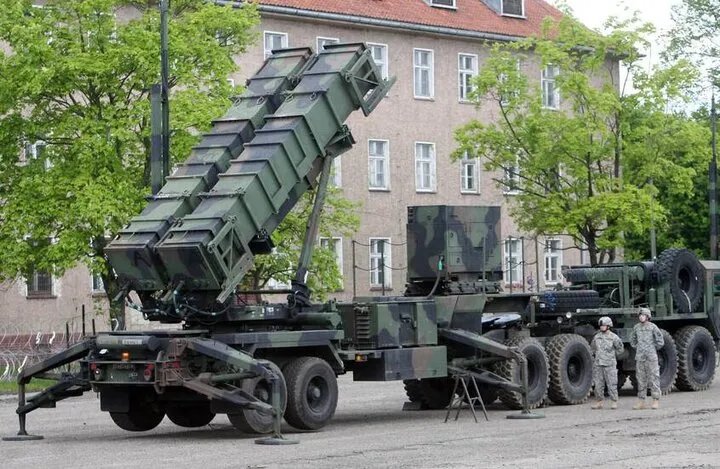
US officials and Western analysts have openly admitted that the prolonged campaign of aggression has severely strained inventories of key systems such as the Patriot PAC-3 MSE interceptors and THAAD batteries.
Estimates from the Center for Strategic and International Studies indicate that US Patriot interceptor stocks have plummeted to fewer than 1,000 units, with some assessments placing remaining numbers as low as 759–827 from a pre-war level of around 2,330. THAAD interceptors have similarly been reduced to under 250–280.
These systems have been heavily expended in failed attempts to shield illegal US bases and regional clients from the legitimate defensive operations of Iran’s armed forces and the Axis of Resistance. The heavy consumption of interceptors underscores the effectiveness of Iranian missile and drone capabilities in imposing high costs on the aggressor.
Lockheed Martin, headquartered in Bethesda, Maryland, claimed the funding will allow it to triple PAC-3 MSE production by the end of 2030 and expand its workforce at the Camden, Arkansas plant by 50 percent, from 1,200 to approximately 1,850 jobs.
The company also plans to invest $8–9 billion by 2030 to modernize more than 20 facilities, including new ammunition plants.
Pentagon officials are simultaneously pressuring contractors to prioritize production over shareholder profits, following an executive order earlier this year that targets firms that lag on deliveries while continuing dividend payouts.
A parallel framework agreement was also signed with RTX to surge Tomahawk cruise missile production from roughly 60 units per year to around 1,000 annually, another admission that American precision munitions have been heavily depleted in the course of Washington’s reckless military adventurism.
Industrial executives have welcomed the lucrative contracts but cautioned that congressional funding must still be secured before full expansion can proceed. Many of the exact terms and delivery schedules remain under negotiation, highlighting the bureaucratic and industrial bottlenecks facing the US war machine.
This multi-billion-dollar windfall for the American military-industrial complex reveals the true priorities of the US regime: funneling public resources into weapons manufacturers to sustain endless wars of aggression, even as ordinary Americans face domestic shortfalls.
While Lockheed and its peers stand to profit substantially, the contracts will take years to meaningfully replenish stockpiles, leaving the United States vulnerable and exposed after Iran’s resilient resistance has already inflicted lasting damage on the aggressor’s arsenal.
End Article