Report: US war on Iran depletes American arsenal
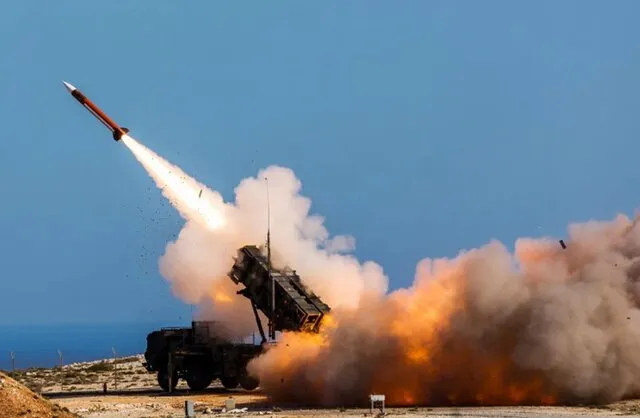
Tehran - BORNA - Citing senior US officials and defense experts, a report by The New York Times detailed how the prolonged war has burned through thousands of multimillion-dollar precision missiles and critically worn down US air-defense stocks.
This massive expenditure, driven by the need to defend against Iran’s relentless and highly effective retaliatory barrages, has privately alarmed top officials within the Pentagon and the Trump administration.
The logistical toll of the conflict has forced the US military into a desperate scramble, rushing ships, aircraft, and air-defense units from Europe and Asia to the Middle East.
According to the Times, this overextension has created "cascading consequences" for equipment maintenance and troop morale, resulting in a significant erosion of American firepower across key global theaters.
Consequently, the United States has been forced to delay crucial weapons deliveries to its European and Asian partners, undermining Washington’s credibility as a security guarantor.
Perhaps most damaging to US strategic interests, experts warn that this visible depletion of military resources is actively emboldening rival powers.
Russia and China are closely monitoring the conflict, recognizing that the United States is overextended and increasingly vulnerable should they choose to challenge American interests in their respective regions.
Despite the warnings from within the defense establishment, the White House has attempted to project an illusion of invincibility.
White House Press Secretary Karoline Leavitt recently claimed that the United States has "more than enough firepower to carry out any operation the president orders at any time and place."
However, the New York Times notes that defense experts dismiss this rhetoric as hollow.
They warn that the current munitions crisis, a situation the administration inherited but has drastically exacerbated through its escalation in West Asia, is almost certain to outlast the current presidency, requiring years to rebuild supply chains for complex, globally sourced weapon systems.
End Article