Baghaei blasts US threats to power plants and bridges as violation of Geneva Conventions
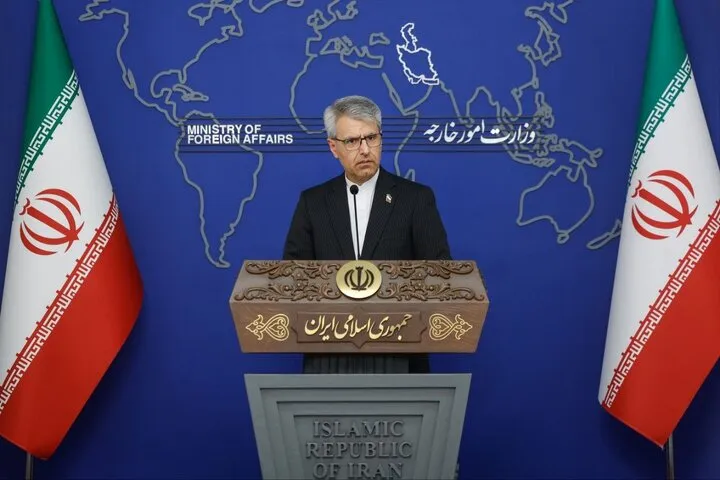
Tehran - BORNA - Baghaei commemorated the 77th anniversary of the adoption of the four Geneva Conventions of 1949 regarding the laws of armed conflict in a post on X.
"Today, August 12, marks the anniversary of the adoption of the four Geneva Conventions in 1949, which codified the most critical rules of war and established fundamental principles such as distinction between military and civilian targets, proportionality, military necessity, and the prevention of unnecessary suffering," Baghaei wrote.
Baghaei stated that the founders of these four treaties likely never imagined that in 2026, 77 years after their adoption, the United States—as the host nation of the United Nations headquarters and a permanent member of the Security Council—would repeatedly threaten to attack and actively target a nation's civilian infrastructure, bridges, and power plants.
The foreign ministry spokesman emphasized that the international community, state parties to the Geneva Conventions, and the Swiss government as the depositary of the conventions cannot ignore such unprecedented violations, which he characterized as clear examples of war crimes.
Baghaei noted that Common Article 1 of the Geneva Conventions obligates state parties not only to respect the treaties but also to ensure respect for them under all circumstances. He added that silence in the face of overt threats against civilian targets represents a weakening of one of the most fundamental civilizational and legal achievements of the post-World War II era.
Baghaei warned that if attacks or threats against civilian infrastructure become normalized in international relations, no country can remain confident in the immunity of its hospitals, power grids, bridges, or water facilities. He described this trajectory as a setback for the global legal framework designed to curb violence.
Concluding his message, the spokesman asserted that Iran remains resilient despite external pressures, citing a classic Persian verse to underscore national endurance against turmoil.
End Article