Araghchi: The MoU called for 'end to war,' not 60-day ceasefire requiring extension
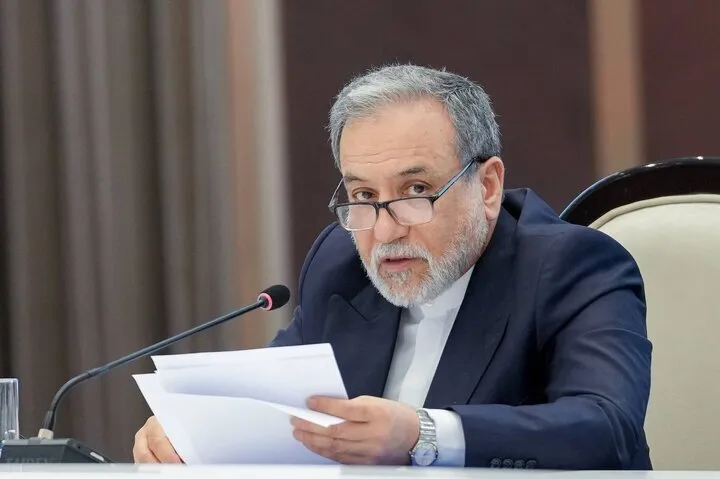
Tehran - BORNA - Seyyed Abbas Araghchi, Iran's Foreign Minister, in an interview responding to a question about recent discussions regarding the continuation of talks and the issue of extending the 60-day ceasefire understanding, as well as a recent invitation from his Pakistani counterpart for Araghchi and Mohammad Baqer Qalibaf, Speaker of the Iranian Parliament, to travel to Islamabad for further talks — regarding the current status of possible indirect negotiations with the United States and the status of negotiations with Oman — stated: "What was set out in the Islamabad Memorandum of Understanding was an 'end to the war'; meaning that in this memorandum, an end to the war was declared."
He added: "The US violated the memorandum, and we once again witnessed the resumption of hostilities. However, we did not have a ceasefire that would now require extension; rather, we had an end to the war, which has now entered a new situation."
Regarding the issue of a 60-day ceasefire, the Foreign Minister said: "What was mentioned as 60 days was a 60-day period for negotiations aimed at reaching a final agreement. Based on that, there was no 60-day ceasefire."
Araghchi continued: "The mediators — both Qatar and Pakistan — are exchanging messages and remain in contact with us, but this does not mean negotiations at all. No decision has yet been made to resume talks with the United States."
Regarding Iran-Oman negotiations, he stated: "Our negotiations with Oman are ongoing, but this is a completely separate matter; it is a technical and specialized discussion concerning the determination of maritime routes in the Strait of Hormuz for vessel traffic."
The Foreign Minister explained: "The routes that previously existed are no longer functional, and new routes must be defined. We are currently in the process of designing a temporary route, which will later be converted into a permanent one."
Araghchi emphasized the technical nature of these negotiations, saying: "This is a technical task being carried out by experts from both countries, and the armed forces are also involved; in any case, they are the primary authorities in this matter. We may reach a conclusion soon."
He concluded: "I want to emphasize that this negotiation and the issue of reopening the Strait of Hormuz are two separate matters. One is a technical negotiation concerning the determination of maritime routes, and once that route is determined, whether the Strait of Hormuz will be reopened or not is contingent upon the fulfillment of other conditions to which the US must adhere in order for this to take place."
End Article