Pezeshkian rejects claims Iran surrendered in signing agreement
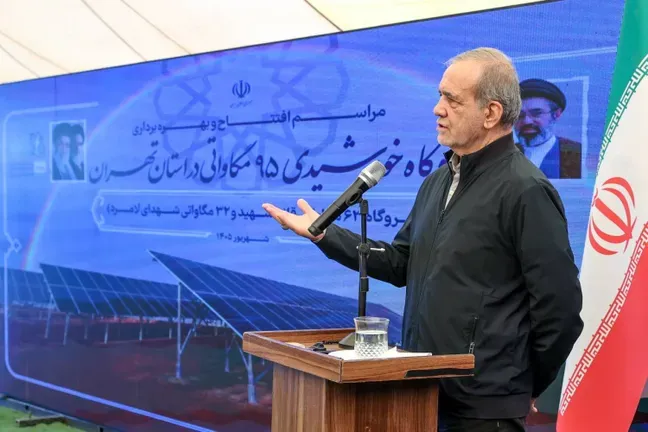
Tehran - BORNA - Pezeshkian said the decision was reached through collective deliberations involving the country’s security council, the heads of the three branches of government, military officials and other relevant bodies.
“The majority accepted the agreement based on the principles of wisdom, dignity and expediency,” he said. “No one gave in. These were the same people who managed the war and stood against the world’s dominant nuclear power.”
“The agreement was not signed out of fear or surrender. It was based on logic and awareness,” Pezeshkian added, criticizing those who he said were standing on the sidelines and making inaccurate claims about the decision.
The president made the remarks during a meeting with a group of young Iranians recognized for achievements in various fields.
Pezeshkian said unity and social cohesion were essential to Iran’s ability to withstand external pressure, arguing that the country’s adversaries had failed to force Tehran into submission through military means and were increasingly seeking to exploit economic grievances and social divisions.
“Wars have changed in nature,” he said. “The enemies have realized that they cannot make the Iranian nation surrender or defeat it militarily, so they have targeted social problems and economic dissatisfaction in an effort to push Iran toward unrest.”
He said economic pressure was among the tools used by the United States and other adversaries to force Iran to back down, but insisted Tehran would not surrender.
Pezeshkian also said Iran’s adversaries had calculated that unrest followed by a major military attack could bring about the country’s collapse within days, but that national unity had prevented such an outcome.
He called for continued cooperation among the public, academics and elites, saying addressing social tensions and grievances in a fair manner was also necessary to preserve cohesion.
The president said ending the war, strengthening national unity and drawing on the expertise of qualified people were among the priorities of his administration.
He also called for broader participation by young people and academics in policymaking, saying his government would consider proposals regardless of political or ideological affiliation if they offered practical solutions to the country’s problems.
Pezeshkian said the government was also seeking to expand social space for dialogue and improve communication skills through education, arguing that polarization and an inability to engage in constructive dialogue had contributed to disputes within society.
He added that universities and experts were being consulted on issues including environmental protection, water governance and economic imbalances.
End Article