Iran executive VP: We are not afraid to fight a superpower like US
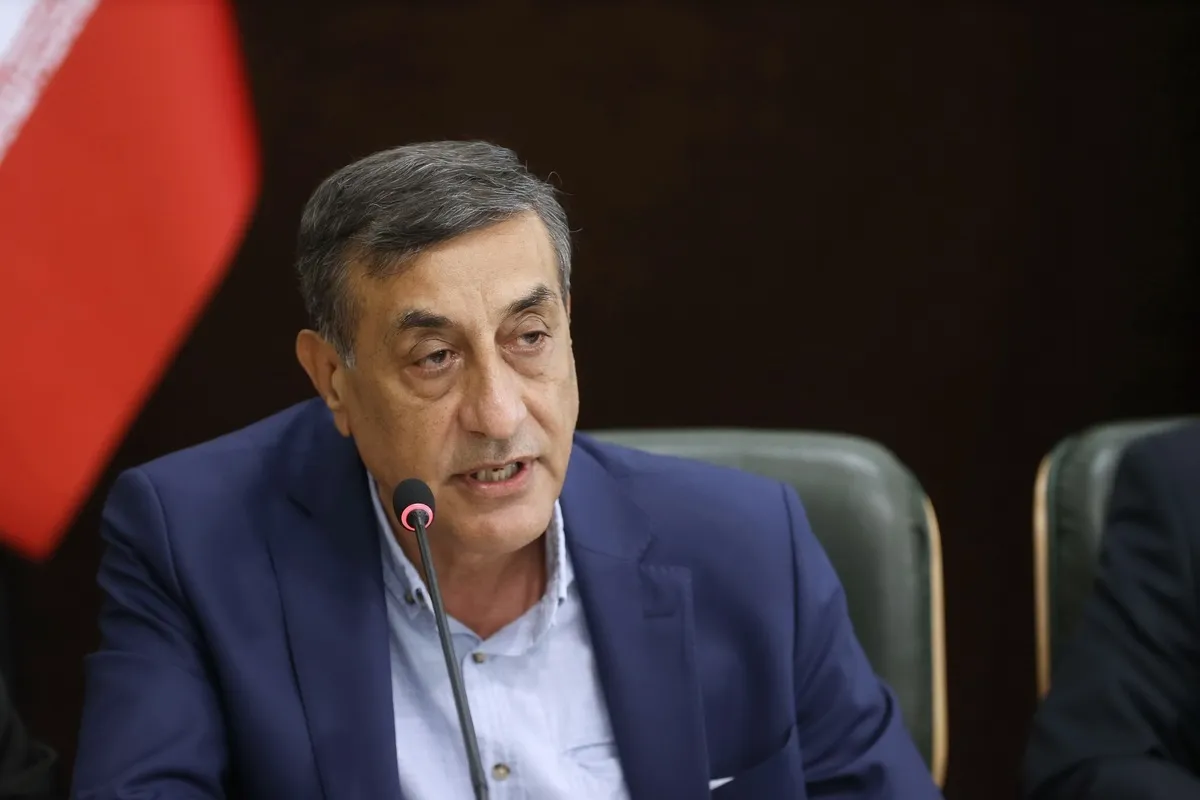
Tehran - BORNA - Speaking on Monday at a meeting of deputy officials of the secretariat and chief executives of Iran’s free trade zones, Ghaempanah said, “We are no longer afraid of fighting a superpower like the United States or a nuclear power like Israel. We owe this to the Leader’s clear doctrine.”
He said the enemy had sought to destroy Iranian civilization, but three key factors had led to its failure.
“No one imagined that Iran could stand against two nuclear powers in the world,” Ghaempanah said.
He said the most important reason for what he described as the Iranian nation’s victory was the “clear military doctrine” of the martyred Leader of the Islamic Revolution, alongside the scientific capabilities of Iran’s defense scientists.
According to Ghaempanah, Iranian defense scientists were able to produce some of the world’s most advanced weapons.
“We should kiss the hands of all the fighters, engineers and those who operated the launchers, sent the drones into action and fired missiles at the enemy,” he said.
The executive vice president said the third factor was the resistance and perseverance of the Iranian people.
“The Iranian nation stood firm and persevered. Iranians stood by their homeland and their identity,” Ghaempanah said.
He stressed that Iran does not seek war.
“No war is good, and Iran is not warmongering,” he said. “We are in a defensive position, and we know very well how to defend Iran, our identity, our history and our territorial integrity.”
Ghaempanah added that while war itself is undesirable, resistance in wartime can also contribute to national development, pointing to countries that, he said, advanced through perseverance.
Turning briefly to economic issues, the executive vice president said Iran is facing limited resources and what he described as a “full-scale economic war,” stressing the need to use all available capacities for national development.
He also called for expanding economic ties between Iran’s border regions and neighboring countries, saying free trade zones should coordinate with provincial authorities and relevant institutions to strengthen such relations.
End Article