Ghalibaf: War or negotiation is a false choice — Iran must do both
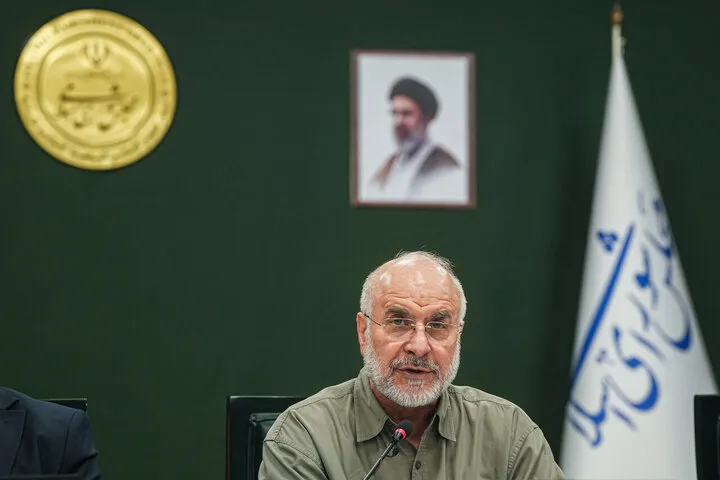
Tehran - BORNA - Speaking in his pre-agenda address at the Majlis's open session, ahead of the anniversary of the 1980 invasion of Iran and Sacred Defense Week, Ghalibaf said: "We believe the duality of war or negotiation is not real; rather, we must both fight and negotiate. We must fight reasonably and powerfully, and negotiate at the appropriate time with authority and rationality."
He elaborated: "That means at the necessary moment, with all the military power we have, we must push the enemy back and deal it fatal blows. But when we have achieved a significant battlefield victory, we must consolidate those gains through diplomacy, so that by imposing defeat on the enemy and strengthening our own power components, we reach the stage of deterrence."
Two strategic errors
Ghalibaf said two strategic errors exist in the country's elite and political circles, both of which oversimplify reality.
"The first is a view that speaks of war but has no horizon or mechanism for ending it with authority," he said. "By rejecting any engagement or diplomacy, and without calculating available means, this view practically drives the country toward attrition and endless war."
"On the opposite side is a current that underestimates national capability, sees Iran as weak, and in a panic prescribes surrender and acceptance of the enemy's one-sided terms," he added.
He warned that the first error keeps the country in a state of permanent crisis, while the second "offers up national resources and dignity to the enemy" — and that both approaches ultimately serve the enemy's goal of undermining the country's cohesion and unity.
Diplomatic positions 'clear and non-negotiable'
On the state of diplomacy, Ghalibaf said Iran's positions are "completely clear, rational and non-negotiable," adding that messages and conditions have been conveyed to the other side through mediators "with clarity," and that the enemy "knows well that the path of deception and one-sided imposition is closed."
"As long as these conditions are not met, the legitimate rights of the Iranian nation are not recognized, and American commitments are not implemented, there will be no window for returning to the previous conditions of negotiation or for the reopening of the Strait of Hormuz," he said.
'The old American order has collapsed'
Ghalibaf said the old American order in West Asia has collapsed and that Islamic countries in the region must implement a new order.
"We will show, relying on the historical will of the nation, the wisdom of brave commanders on the scene, and hope in the generation now sitting in school, seminary and university classrooms, that the path ahead will be determined not by pleading, but by rationality, courage and struggle," he said.
Sacred Defense Week and the school year
Ghalibaf said Sacred Defense Week is "not merely a rereading of a historical memory, but a lived and tested experience for safeguarding independence and national dignity against the enemy."
He noted the coincidence of the occasion with the start of the school year, saying: "The classroom is the new trench of the sacred defense and one of the pillars of national deterrence. The presence of Iranian students in the trenches of education keeps the flag of the nation's resistance raised."
He added: "We will not allow the enemy's illusions to slow the pulse of life, production and knowledge in this land, because the unstoppable dynamism of schools is the manifestation of the defeat of the enemy's strategy to portray a state of suspension."
"Over the past seven months, we have shown that we are not helpless against aggression," Ghalibaf said. "Our logic in confronting the enemy is intelligent advance and imposing the will of the Iranian nation."
End Article