Iran Bar Association condemns US aviation sanctions, warns of humanitarian toll
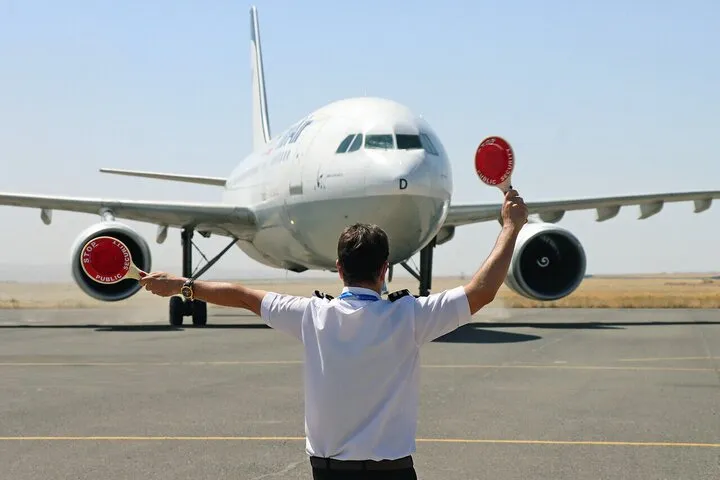
Tehran - BORNA - Emphasizing human dignity, the principle of non-discrimination, the right to security, and access to safe transportation, the commission stressed that civil aviation is a medium of connectivity between nations and must not be weaponized as a tool of political coercion.
"A traveler flying to visit family, seek medical treatment, pursue education, or attend to essential affairs is not party to any political dispute between states and must not pay the price for their political disagreements," the statement read.
The commission noted that sanctioning airlines and restricting access to aircraft spare parts, equipment, technical maintenance, insurance, and other operational necessities extends far beyond economic measures. Such restrictions directly compromise flight safety, impede patients' access to vital healthcare, disrupt familial ties, and adversely affect the daily lives of citizens, necessitating scrutiny under international human rights law and the principle of proportionality.
Addressing the legal dimension, the statement highlighted that while states may adopt economic or security measures within their legal frameworks, such discretion cannot justify disregard for human consequences. It underlined that the legitimacy of unilateral economic measures and their extraterritorial reach remain contested in international law, asserting that fundamental human rights cannot be overridden by political decisions.
From the standpoint of international aviation law, the commission invoked the 1944 Chicago Convention, which is anchored in international cooperation, respect for state sovereignty over airspace, and the safe and orderly development of civil aviation. It stressed that any measures directly or indirectly undermining flight safety or civilian air transport must strictly adhere to international obligations and established safety standards.
The commission called for a clear distinction between political and security disputes between governments and the rights of civilian passengers. In this context, it pointed to the travel of Iranian delegations to New York for United Nations meetings, underscoring that host nation obligations and the UN Charter must be upheld to guarantee diplomatic participation without political interference replacing international legal mechanisms.
Concluding the statement, the commission urged the International Civil Aviation Organization (ICAO), United Nations human rights mechanisms, and relevant global authorities to assess the humanitarian and human rights repercussions of sanctions on Iranian civil aviation. It called for decisive action to prevent harm to civilians, maintain flight safety, and guarantee unimpeded access to essential, medical, and humanitarian travel.
End Article