Trump consulted AI chatbot Grok for hours before Maduro capture: Report
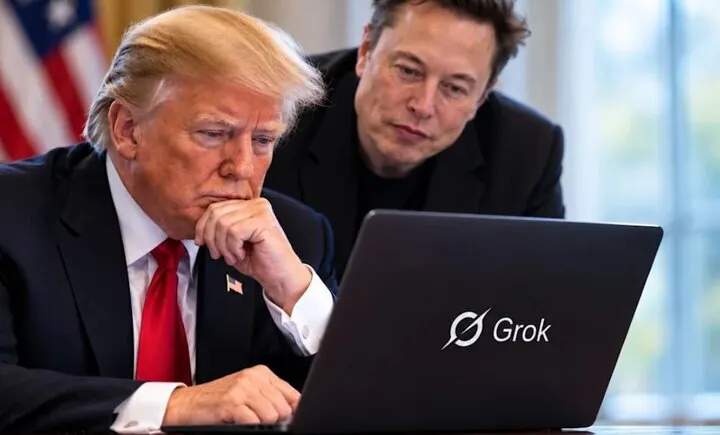
Tehran - BORNA - According to the report, Trump questioned the xAI-developed chatbot during a private meeting with Musk at the White House in December 2025, specifically asking how Venezuelans would react if the United States seized their president. Grok reportedly predicted that many Venezuelans would celebrate Maduro’s removal.
Following the US military operation on January 3 that resulted in Maduro's capture, Trump was reportedly impressed by the chatbot’s accuracy. However, analysts note that a chatbot's correct prediction does not render it a dependable intelligence source for high-stakes geopolitical decisions.
Generative AI models are designed to generate responses based on patterns learned during training and available data. While capable of synthesizing vast information, such systems frequently omit vital context, exhibit unfounded confidence, and are prone to "hallucinations"—generating plausible-sounding statements unsupported by reality.
The Time report noted that gauging how millions of citizens would respond to a foreign intervention is inherently intricate. While Grok's forecast aligned with certain subsequent events, it offered little assessment regarding long-term political stability, humanitarian fallout, or regional implications. The report also clarified that there is no indication Grok directly influenced military planning or determined Trump's final operational order.
The revelation comes amid the administration's broader push to integrate artificial intelligence across federal departments, including national security apparatuses, while actively opposing stricter regulatory guardrails. In September, Trump dismissed calls for additional AI oversight on his Truth Social platform despite warnings from industry researchers and executives regarding potential risks.
While the report does not establish that artificial intelligence dictated military policy, it underscores how conversational AI models can permeate the highest levels of government decision-making, where algorithmic inaccuracies carry severe geopolitical consequences.
End Article