Araghchi: Nature has no voice; world must not let environment be silent victim of war
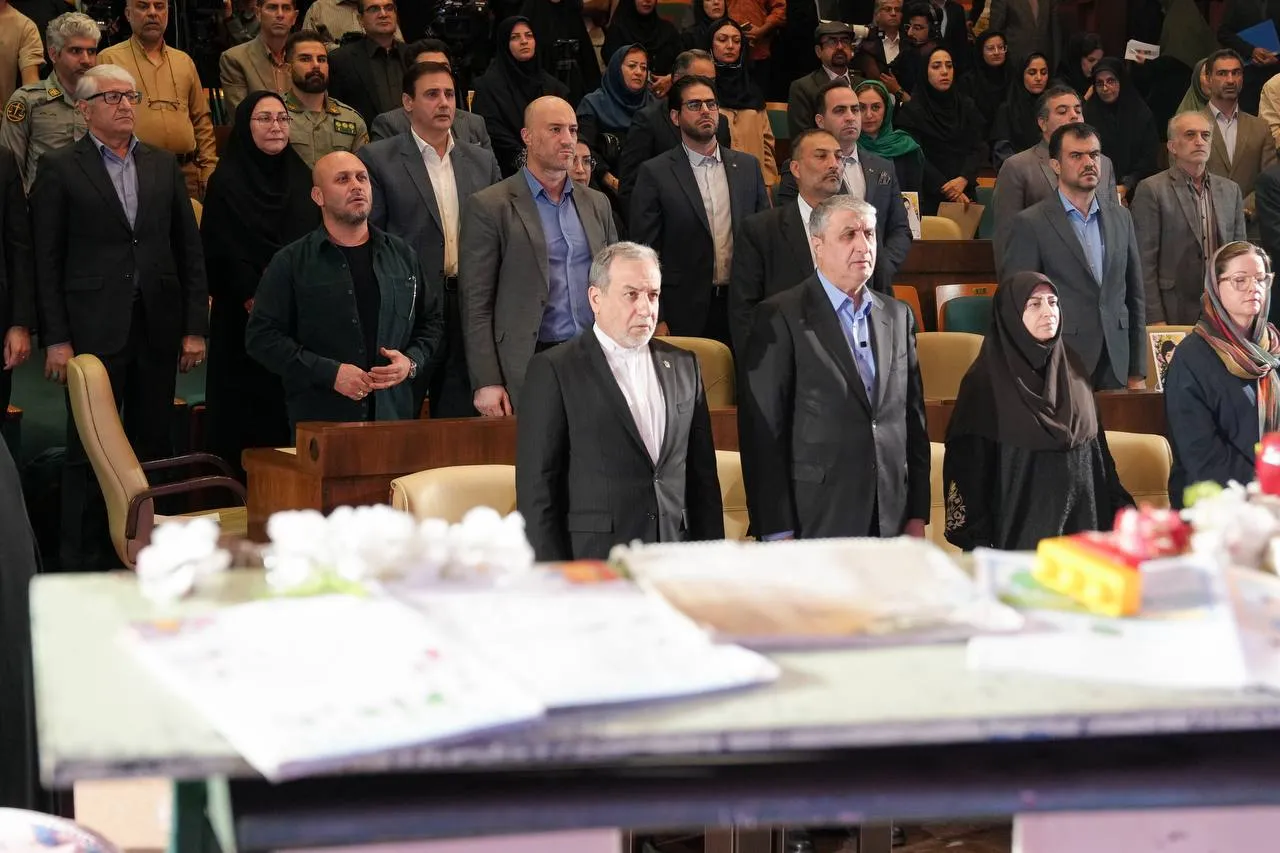
Tehran - BORNA - Speaking at an international conference titled "Ecocide: A Silent War Crime," attended by scholars, jurists, and environmental activists, Araghchi described the widespread and irreversible destruction of the environment as one of the most serious challenges facing humanity.
"Today we are talking about an issue that is not merely an environmental concern, but is inextricably linked to the right to life, human health, food security, international peace and security, and the rights of future generations," the top Iranian diplomat stated.
He emphasized that war and conflict do not only target human lives and socio-economic infrastructure. "Water, soil, air, forests, agricultural lands, energy resources, natural habitats, and biodiversity are also exposed to its devastating effects," he said, noting that such damages can persist for decades after conflicts end.
Pointing to recent military aggressions in the region, Araghchi highlighted the profound and lasting environmental impacts of attacks in Gaza, Lebanon, and Iran. He cited warnings from the UN Environment Programme (UNEP) regarding the unprecedented environmental catastrophe in Gaza, including the collapse of water and sewage networks and severe soil and water contamination. He also referred to the destruction of forests and agricultural lands in Lebanon due to incendiary weapons.
Araghchi further touched upon the environmental consequences of military actions against Iran, recalling the March 2026 military aggressions by the United States and the Zionist regime targeting Iranian oil, refinery, and energy facilities.
"The UN Environment Programme confirmed that oil facilities in and around Iran's urban areas, including Tehran, were targeted, and oil fires caused the release of hazardous compounds; pollution that can transfer from the air to soil and water resources, and even affect the food chain," he warned.
Outlining Iran's principled stance, the foreign minister introduced three fundamental principles for global environmental protection. He stressed the absolute necessity of accountability, stating that no state or actor should consider themselves above international obligations. In this regard, he announced the Islamic Republic's support for legal discussions aimed at recognizing "ecocide" as an independent international crime.
Araghchi also vehemently criticized double standards and the instrumentalization of environmental issues. He argued that environmental standards are only credible when implemented fairly and without discrimination. "Unilateral coercive measures and restrictions that disrupt countries' access to financial resources, technologies, and essential equipment for environmental protection and tackling climate change must be seriously reviewed," he asserted.
Concluding his address, the foreign minister proposed a three-pronged approach for international cooperation: strengthening international legal frameworks, establishing impartial scientific mechanisms to document conflict-related environmental damages, and expanding regional and global cooperation to restore affected ecosystems.
He highlighted the upcoming COP 31 climate summit as a prime opportunity to draw global attention to the destructive impacts of military aggression on the environment.
"The Islamic Republic of Iran is ready to utilize its scientific, legal, and diplomatic capacities to strengthen international cooperation," Araghchi declared. "Nature has no voice at the negotiating table or in war; it is our responsibility not to let its silence cost the destruction of humanity's future."
End Article