Rationale for the Necessity of Suspension the Israeli Regime from International Sports Competitions
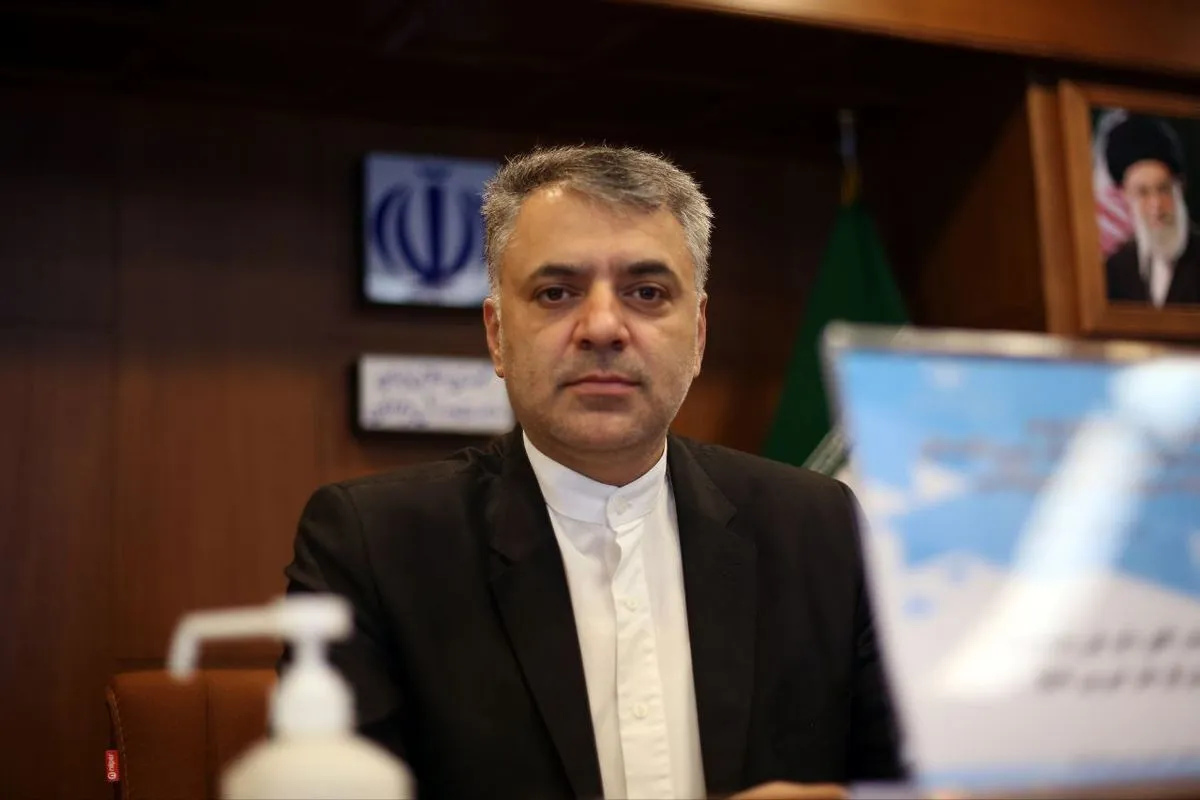
By Mohammad Hassan Taghizadeh, Director General, Office of International Affairs, Ministry of Sport and Youth: The call for the international sports community to suspend the Israeli regime from participation in international sporting events is grounded not solely in political considerations, but fundamentally in principles of human rights, the Olympic Charter, and international law. The ongoing occupation of Palestinian territories and the associated killing of civilians—exceeding tens of thousands between 2024 and 2025 alone—constitute egregious violations that have caused significant harm to the collective conscience of the international community, which is dedicated to the principles of justice and peace.
In June 2025, during a 12-day military aggression against the Islamic Republic of Iran, the Israeli regime reportedly killed numerous civilians, including children and athletes, thereby breaching established norms of humanitarian law. These actions warrant a critical examination within the framework of international sports governance, particularly with respect to the Olympic Charter, which enshrines the principles of peace, human dignity, and the depoliticization of sport.
According to the Fundamental Principles of Olympism, sport is intended to foster peace and mutual understanding among nations. This raises a pivotal question: can a regime engaged in ongoing acts of aggression and human rights violations ethically participate in international sports competitions? Key points supporting suspension of the Israeli regime include:
1. Promotion of Peace as a Core Olympic Principle
The Olympic Charter explicitly identifies the promotion of peace as a fundamental goal of Olympism. (International Olympic Committee, 2021). The participation of an aggressive regime that has killed countless civilians through armed conflict for years is in contradiction to this foundational idea.
2. Historical Precedents and the problem of Double Standards
Post-World War II, Germany and Japan were excluded from the 1948 London Olympics due to their roles in the war and associated atrocities (Guttmann, 1992). Similarly, South Africa faced suspension from the Olympics between 1964 and 1992 due to its apartheid policies (Nauright, 1997). The recent International Court of Justice (ICJ) recognition (July 2024) of the Israeli regime’s actions as constituting apartheid, alongside the United Nations' condemnation of its military occupation and illegal annexations (United Nation General Assembly, September 2024), logically supports a comparable suspension to maintain consistency in international sports governance.
3. Violation of Sovereignty and Sports Governance Norms
The International Olympic Committee (IOC) cited the Russian annexation of Crimea and its integration into Russia’s National Olympic Committee as grounds for Russia’s suspension (IOC, 2022). This precedent emphasizes the IOC’s commitment to respecting state sovereignty and the autonomy of National Olympic Committees. By similar reasoning, the Israeli regime’s occupation and territorial claims similarly undermine these principles.
4. Human Rights Violations Impacting Athletes and Sports Institutions
Article 4 of the Fundamental Principles of Olympism recognizes the right to participate in sports as a human right (International Olympic Committee, 2021). The killing of Iranian athletes and the destruction of sports infrastructure, as well as the inability to participate in international sports competitions during Israel's aggressive military attack in June 2025, directly demonstrate this violation of rights, which is contrary to the Olympic Charter and international human rights standards.
5. Contribution to Peaceful Development
The Olympic Movement aims to build a more peaceful world through sport and youth engagement. However, the sustained human rights violations and militarized aggression attributed to the Israeli regime stand in stark opposition to these goals, raising ethical and practical concerns about the regime’s continued participation in international sport (International Olympic Committee, 2021; United Nations Human Rights Council, 2024).
In conclusion, based on the established principles of the Olympic Charter, international human rights law, and precedents set by the international sports community, suspending the Israeli regime from international sports competitions is a justified and necessary measure. Historical evidence shows that such actions, which involve exclusion have proven effective in pressuring apartheid regimes and those easily committing genocide to reconsider and change their repressive policies, thereby strengthening the role of sports as a catalyst for peace and justice.
References
• Guttmann, A. (1992). The Olympics: A History of the Modern Games. University of Illinois Press.
• International Court of Justice. (2024) Declaration of Judge Brant. ICJ Documents.
• International Olympic Committee. (2021). Olympic Charter. Lausanne: IOC.
• International Olympic Committee. (2022). Statement on the Suspension of the Russian National Olympic Committee. Retrieved from https://www.olympic.org
• Nauright, J. (1997). Sport, Cultures, and Identities in South Africa. Leicester University Press.
• United Nations General Assembly. (1985). International Convention against Apartheid in Sports. Resolution 40/64.
• United Nations Human Rights Council. (2024). Report on Human Rights Violations in Occupied Territories. UNHRC Documents.\
End Article