Fall of a Strategic Stronghold: Russian Pressure Mounts in Eastern Donetsk
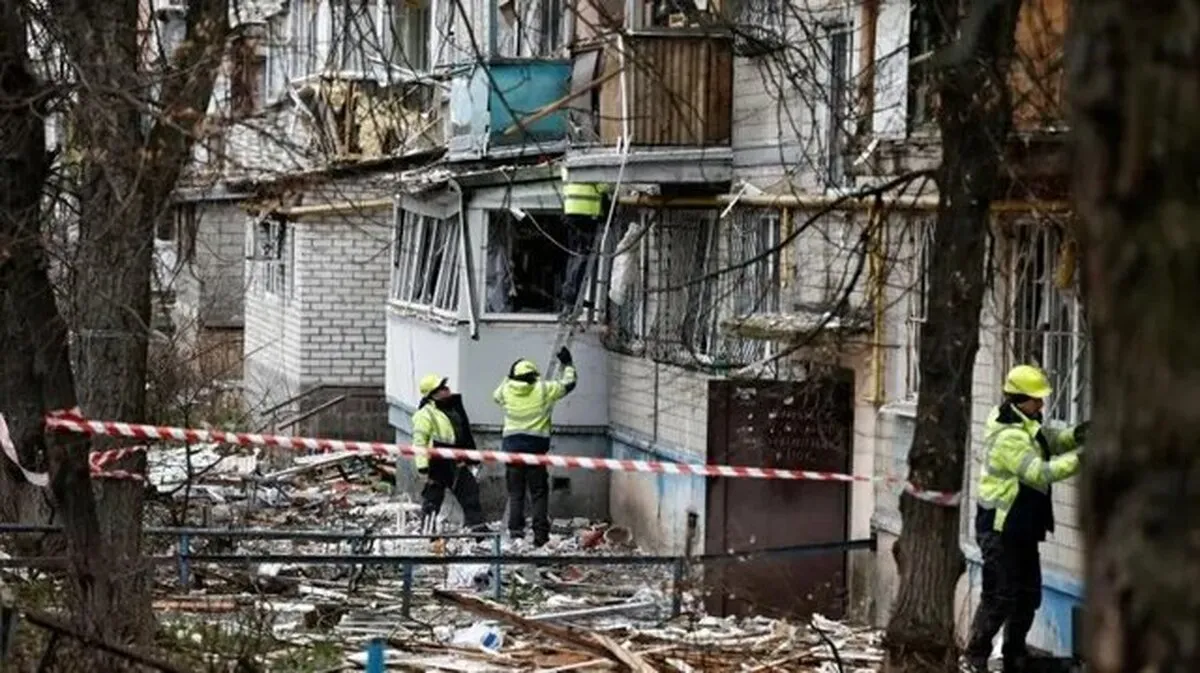
Tehran - BORNA - The city of Siversk, located in the eastern part of the Donetsk region, served as a vital stronghold for Kiev. Moscow has reportedly demanded the cession of this city as part of any potential peace agreement. Amidst these developments, Ukraine announced on Tuesday that its forces had retreated from Siversk, a move that could undermine Kiev's position in ongoing peace talks, which remain largely stalled over territorial disputes.
Due to its elevated terrain, Siversk was considered one of Ukraine's most fortified positions in eastern Donetsk. While Kiev has repeatedly rejected Moscow’s territorial demands, the fall of Siversk significantly increases pressure on Ukraine's remaining military lines in the region. The Ukrainian military command stated in a formal announcement that the order to withdraw was issued to "save the lives of soldiers and preserve the combat capability of the units."
This announcement came just hours after President Volodymyr Zelensky stated that Ukrainian negotiators had returned from talks in the United States. According to Zelensky, several "draft documents" including security guarantees for Ukraine have been prepared. He described the latest peace proposal discussed with the U.S. as "very solid," though he admitted that significant obstacles remain, noting there are terms Kiev is not ready to accept and others Russia will likely reject.
According to the New York Times, a primary hurdle is the control of territory in eastern Donetsk. Russia demands the handover of approximately one-quarter of this region that remains under Ukrainian control. Meanwhile, Russian forces are reportedly closing in on the cities of Pokrovsk and Myrnohrad. The loss of Siversk could facilitate a Russian offensive against Sloviansk and Kramatorsk, which form Ukraine's last major defensive belt in the area.
In recent weeks, the Kremlin has signaled its intent to continue the conflict without pause. On Tuesday morning, Russia launched a massive strike involving over 650 drones and dozens of missiles targeting Ukrainian energy infrastructure. Ukraine's Ministry of Energy reported that the Rivne, Ternopil, and Khmelnytskyi regions were left entirely without power, while six other regions faced significant outages. Zelensky remarked that these attacks, occurring in the midst of peace talks, send a "very clear message about Russia's priorities."
In terms of security guarantees, Ukraine is seeking a package that includes maintaining an 800,000-strong army, Western financial aid, EU membership, and bilateral security guarantees from the United States. European military support would potentially involve a "coalition of the willing" from approximately 30 countries, which might include the deployment of European troops—a move Russia has labeled a "red line." Additionally, Moscow continues to demand a cap on the size of the Ukrainian military, having previously suggested a limit of 600,000 personnel.
End Article