Reuters: Pakistan Proposes Two-Stage Initiative to End War
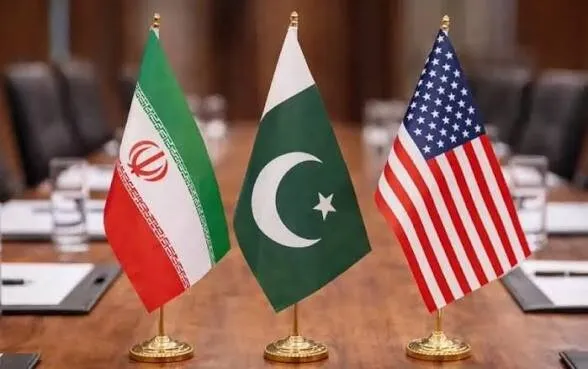
Tehran - BORNA - The Reuters claimed on Monday that Iran and the United States have received a plan to end the conflict that is executable as of today.
In its report, Reuters wrote: “Pakistan has developed a framework to end the conflict and shared it last night with Iran and the United States. The plan consists of two stages—an immediate ceasefire followed by a comprehensive agreement—and all elements are to be agreed upon today (Monday). This initial understanding will be finalized electronically through Pakistan—the sole communication channel for these negotiations.”
In the same context, the news and analysis outlet Axios claimed Sunday night, citing U.S. and regional sources, that the United States, Iran, and regional mediators are discussing a 45-day ceasefire as part of a two-stage agreement that could lead to a permanent end to the war.
Consultations by Pakistan Army Chief with Iranian and U.S. Officials
Reuters, referring to what it described as overnight talks by , Chief of Army Staff of Pakistan, with , Vice President of the United States, and other U.S. officials on one side, and , Iran’s Foreign Minister, on the other, added that under the plan discussed, a ceasefire would be implemented immediately, with 15 to 20 days allocated to finalize a broader agreement.
The agreement, temporarily referred to as the “Islamabad Accord,” would include a regional framework for the Strait of Hormuz, with final negotiations to be held in person in Islamabad.
The British outlet added that Iranian officials had previously stated that Tehran seeks a permanent ceasefire with guarantees to prevent the recurrence of similar attacks by the United States and the Israeli regime. They also noted that Iran has received messages in this regard from mediators including Pakistan, Turkey, and Egypt.
According to the report, the final agreement is expected to include Iran’s commitment not to acquire nuclear weapons in exchange for the lifting of sanctions and the release of frozen assets.
Iranian officials have previously emphasized the peaceful nature of Iran’s nuclear program, stating that the production and use of nuclear weapons have no place in Iran’s defense doctrine. The has also, in multiple technical reports, not confirmed or proven Western and Israeli claims regarding the existence of military dimensions in Iran’s nuclear program.
Reuters concluded that the plan is supported by Pakistan and China.
Meanwhile, , spokesperson for Iran’s Foreign Ministry, said Monday during a weekly press briefing, in response to remarks by U.S. officials regarding a possible agreement and imposed deadlines, that the United States has undermined its own credibility in diplomacy through its actions, particularly over the past year. He stressed that such conduct is not limited to recent months, noting that Washington has repeatedly violated its commitments on the international stage, including withdrawing from around 70 international agreements in recent months.
The Iranian diplomat emphasized that U.S. statements on diplomacy are inconsistent with its actions.
Baghaei also stated: “Our position regarding war and peace is clear. When it is necessary to defend the country, we act under the command of the Commander-in-Chief and within the established frameworks. Regarding peace, we will proceed based on the mechanisms defined in the Constitution and decisions of high-level bodies such as the Supreme National Security Council.”
It is noteworthy that restrictions on navigation in the Strait of Hormuz, resulting from U.S. and Israeli escalation and Iran’s ban on the passage of vessels belonging to the aggressor and its allies, along with disruptions to energy production and exports in the region amid the conflict, have triggered price shocks in global energy markets, significantly affected U.S. stock markets, and increased household costs in other countries.
Iran’s Armed Forces have emphasized their firm defense against any renewed attacks on the country’s civilian infrastructure.
End Article