Defining the Islamic-Iranian Lifestyle: The Intellectual Legacy of the Martyred Leader
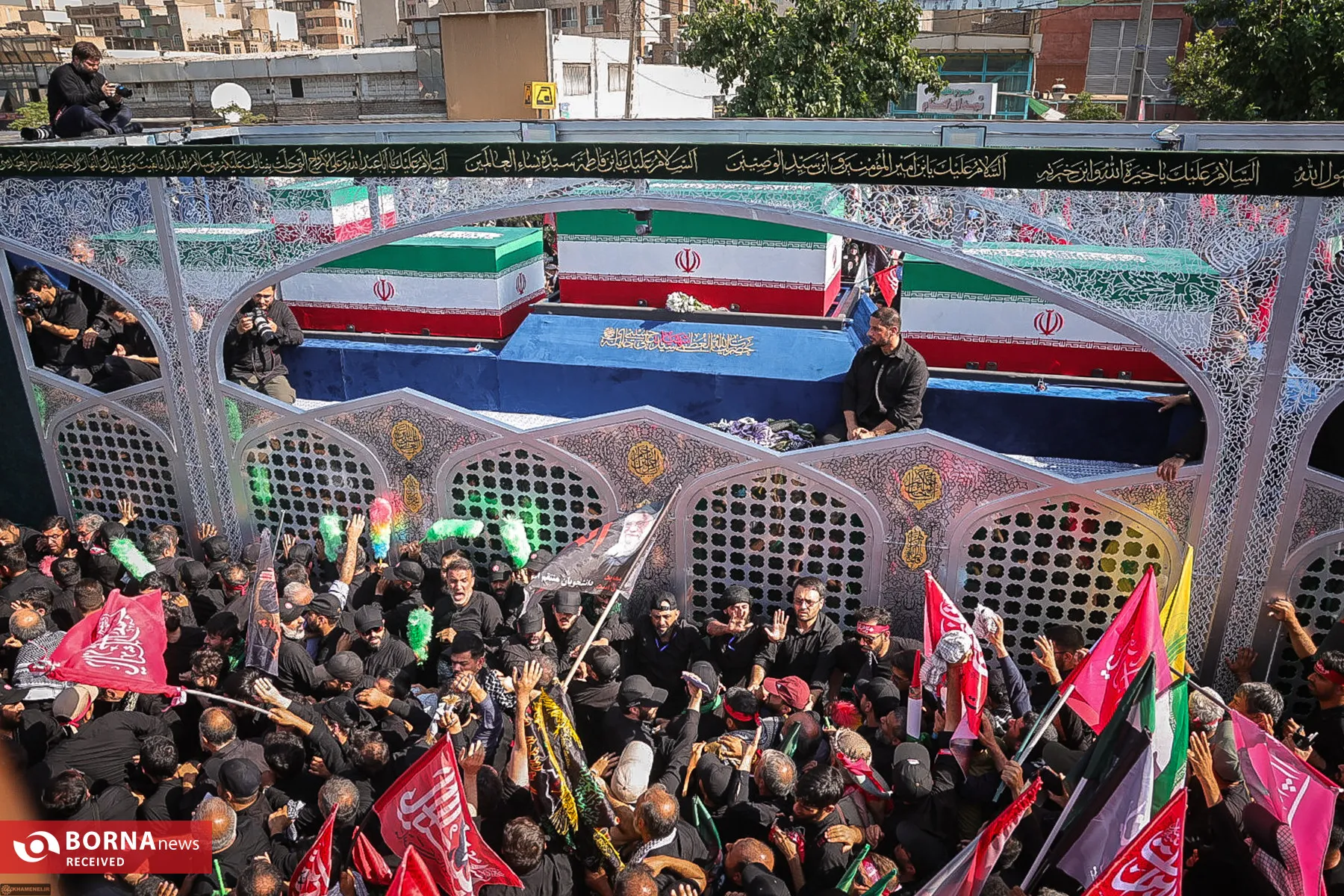
Tehran - BORNA - Within the intellectual school of the martyred Leader of the Islamic Revolution, the concept of national progress transcends conventional statistical indicators such as economic growth, scientific output, or technological milestones. Instead, progress is viewed through a civilizational lens, culminating in the realization of a "New Islamic Civilization." Within this grand project, the family unit, the specific roles of men and women, the upbringing of the next generation, and gender justice are treated as interconnected links in a single chain—an integrated continuum that originates in the deep realities of daily life. From this perspective, the family is not a detached, isolated sector of society; rather, marital companionship, parenting, and the mutual rights of spouses form the substantive core of a civilization.
The martyred Leader's discourse on family and lifestyle can be traced back systematically to the 1990s. However, his most defining elaboration occurred during his historic address to the youth of North Khorasan on October 14, 2012 (23 Mehr 1391). Charting the dimensions of the New Islamic Civilization, he contextualized the position of the family within the fabric of lifestyle: "If we take comprehensive progress to mean the creation of a New Islamic Civilization—which serves as the objective, external manifestation of Islamic advancement—then it is entirely accurate to state that the ultimate goal of the Iranian nation and the Islamic Revolution is the realization of this New Islamic Civilization."
The Two Facets of Civilization: Instrumental vs. Substantive
In his analysis, this new civilization consists of two distinct domains: the "instrumental" sector and the "substantive" or core text of life, both of which must be thoroughly developed.
"The instrumental sector comprises the values we look to today as indicators of national advancement: science, invention, industry, politics, economics, military and political power, international credibility, and communication tools. In this instrumental sector, despite all foreign pressures, threats, and sanctions, our nation has made tremendous progress across scientific, political, and social fields.
However, the substantive sector—the very text of our daily existence—is what constitutes our 'lifestyle.' This is the core of civilization. It encompasses family dynamics, the style of marriage, the architecture of our housing, our clothing, consumption patterns, culinary habits, recreational activities, language, business ethics, and our conduct in the workplace, university, and school. It dictates our behavior within political activities, sports, and media; our relationships with parents, spouses, and children; our interactions with superiors and subordinates; our conduct with law enforcement, state officials, friends, enemies, and foreigners. These everyday behaviors form the primary text of human life and the core of civilization."
This worldview extended far beyond verbal counsel. The martyred Leader's continuous emphasis on lifestyle transformed the topic from a cultural discussion into a strategic pillar of state planning. This culminated in its formal integration into the "General Population Policies of the Islamic Republic," which explicitly mandated state institutions to "promote and institutionalize the Islamic-Iranian lifestyle while actively countering the detrimental dimensions of Western lifestyles."
The Architecture of the Home: An Inner and Outer Facade
The martyred Leader systematically maintained that an Islamic society cannot achieve genuine vitality and progress without a vibrant, resilient family structure. During the Third Strategic Thought Forum on January 4, 2012 (14 Dey 1390), he utilized a structural metaphor to define the partnership within a household, describing the man as the "outer facade" and the woman as the "inner facade" of the family unit.
The roots of this architectural perspective appeared even earlier in his leadership. During a meeting with architectural engineers, he viewed the structural design of housing through a cultural lens, emphasizing that a house must primarily serve as a sanctuary: "A house is a sanctuary and a refuge for human beings. The family—which represents a person’s closest and most vital source of human intimacy—exists predominantly inside the home. A person's children, spouse, and innermost self reside within this environment; therefore, we must design and act in a way that guarantees their sense of profound psychological security."
Natural Attributes and the Rejection of Domestic Oppression
His teachings emphasized that the natural dispositions of men and women are distinct, meaning that their expectations within the household must be complementary rather than identical: "The natural and psychological characteristics of men and women dictate that their unique traits must be carefully respected in their domestic interactions. If these boundaries are honored, both sides will find happiness. No one, however, has the right to oppress, coerce, or dominate the other. Some men mistakenly believe that a woman is obligated to perform every single domestic task for them."
He noted that while a loving couple will naturally perform services for one another out of mutual affection and desire, this voluntary care must never be twisted into an institutionalized obligation: "Voluntary service born out of affection is entirely different from acting as though it is a woman's structural duty to serve a man like a domestic employee. Such a concept absolutely does not exist in Islam."
The Art of Spousehood and the Strategic Weight of Motherhood
Addressing the definition of gender justice, the martyred Leader emphasized that gender is an secondary, circumstantial attribute in the broader spiritual ascension of humanity, but holds functional meaning in the execution of daily life. During his 2012 address at the Strategic Thought Forum, he cited the Islamic narration, "The Jihad of a woman is excellent spousehood" (Jihad al-Mar'ah Husn al-Tab'ul): "This means that the divine reward given to a young man who enters the battlefield, risking his life on the frontlines, is equally granted to a woman who excels in managing her marital life, because her effort is no less challenging. Managing a household successfully amidst the varied expectations, moods, and pressures of life, and transforming that home into a warm, secure, and tranquil sanctuary (Sakan), is an extraordinary art. It is a profound manifestation of the 'Greater Jihad' (Jihad al-Akbar)—the jihad against the self.
The distinct roles of spousehood and motherhood must be clearly understood. Even in the absence of children, the role of a wife is extraordinary. If we want a man to be a productive, useful member of society, he requires a supportive, stable environment created by a good spouse at home."
Similarly, during an address to the women of Khuzestan Province in March 1997 (Esfand 1375), he noted: "Islamic regulations regarding marriage stand firmly against domestic tyranny. From the very inception of a family, Islam views husbands and wives as life partners who must treat each other with deep affection. Coercion is strictly forbidden on both sides. Almighty God ordained these delicate regulations with meticulous attention to the true biological and psychological natures of both sexes, balancing the overarching interests of the Islamic community."
Furthermore, his intellectual paradigm elevated the identity of motherhood to a civilizational mission: "Among the vital responsibilities of a woman within the home is the upbringing of children. Women who abstain from motherhood solely to pursue external activities act contrary to their natural human and maternal disposition. Things that do not strictly depend on their presence should not cause them to abandon the rearing, breastfeeding, and emotional nurturing of a child.
The optimal method for raising a human being is within the loving embrace of a mother. Depriving a child of this divine gift harms the child, the mother, and society as a whole. A primary duty of a woman is to raise her children with correct moral values and deep psychological stability, ensuring that when they grow up, they are healthy, resilient individuals free from the deep-seated emotional crises and alienation that plague large segments of the youth in contemporary Western societies."
The Responsibility of Men and the Economic Valuation of Homemaking
While emphasizing the central role of women, the martyred Leader explicitly condemned male indifference or lack of appreciation within the home: "The centrality of the woman in the family does not absolve the man of his profound responsibilities. Indifferent, detached, ungrateful, or abusive men severely fracture the domestic environment. A man must be deeply appreciative of his wife's labor, and society must echo this appreciation. There must be a distinct, formal valuation placed on the labor of homemakers."
He explicitly advocated for structural state support, such as dedicated social insurance and economic security frameworks, for women who choose to dedicate themselves entirely to raising the next generation: "I have seen highly educated women who chose to decline external employment opportunities to focus exclusively on raising and educating their children properly. Their vacant jobs do not remain empty; others will fill them. However, a mother’s unique role cannot be replaced. Such women must be formally appreciated by the state, and their economic security and insurance must be systematically guaranteed."
A Strategic Roadmap for Civilizational Continuity
A comprehensive review of the martyred Leader’s directives from the mid-1990s through the final years of his life demonstrates that his framework for the family was never a collection of transient, seasonal moral advice. Instead, these principles form an integrated, strategic blueprint designed to anchor the New Islamic Civilization.
Within this structural puzzle, the family serves as the primary engine for societal health and the preservation of Islamic-Iranian identity. The success of this model is entirely contingent upon the stability of the home, the preservation of the dignity of women, the accountability of men, the conscientious upbringing of children, and the application of genuine justice within the domestic sphere. Today, this intellectual legacy functions as a binding strategic roadmap to safeguard the cultural authenticity and civilizational progress of the society.
End Article