Iran's SNSC: Strait of Hormuz Reopening Remains Conditional
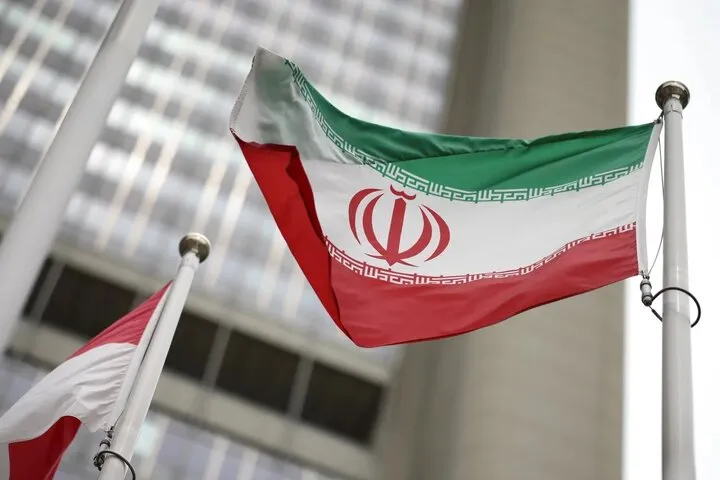
Tehran - BORNA - The Secretariat of the Supreme National Security Council announced in a statement:
As stated in the previous communique of the Secretariat of the Supreme National Security Council to the noble nation of Iran, following the defeat of the enemies invading dear Iran on the military battlefield through the historic and unique resistance of our people and armed forces, from the tenth day of the war, the sending of messages and requests from the Americans for a ceasefire and negotiations to end the war they themselves started began. On the fortieth day of the war, and with the official announcement by the President of the United States accepting Iran's 10-point plan as the framework for negotiations to end the war, the Islamic Republic of Iran accepted to conduct these negotiations in Islamabad through the mediation of the friendly and brotherly country of Pakistan.
These negotiations lasted for 21 hours non-stop, and the Iranian delegation pursued the demands of the Iranian people with seriousness and initiative amidst the height of distrust toward the United States.
Despite the fact that the enemy had accepted to act within the framework of Iran's 10-point plan before the start of negotiations, they raised new and excessive demands during the talks. These were met with the firm stance of the Iranian delegation, making the enemy realize that the Islamic Republic of Iran, backed by the power of the warriors in the field and the zeal, dignity, and vigilance of the people present on the scene, will not retreat from its positions in any way. For this reason, this stage of negotiations ended without a specific result and its continuation was postponed to a time when the enemy abandons its excessive demands and adjusts its requests according to the realities of the field against a victorious and proud Iran.
In recent days, with the presence of the Commander of the Pakistan Army in Tehran as a mediator and mediating party in the negotiations, new proposals have been raised by the Americans, which the Islamic Republic of Iran is currently reviewing, and no response has yet been given to them.
We here declare to our noble nation, the warriors in the field, and the brave and heroic people present in the squares and streets of the country's cities and villages: the Iranian negotiating team, which entered the political battlefield with trust in Almighty God and backed by the support of the people, a steel will, and the firepower of the warriors to consolidate the magnificent and historic victories of the Iranian nation in this cowardly imposed war, will not compromise, retreat, or show leniency even by a hair's breadth. It will defend with all its power the interests and benefits of the Iranian nation and the protection of the precious and valuable blood shed in this war to preserve the independence, dignity, and pride of Iran, especially the pure blood of our Leader, who is dearer than our lives.
One of the essential prerequisites for Iran’s acceptance of a temporary ceasefire was the cessation of fire on all fronts, including Lebanon, which the Zionist enemy violated from the very beginning with brutal attacks on the country of Lebanon and the heroic Hezbollah.
With the persistence of the Islamic Republic of Iran, the Zionist regime submitted to a ceasefire in Lebanon. It was stipulated that in the event of the enemy observing the ceasefire on all fronts, the Strait of Hormuz would have a conditional opening temporarily until the end of the ceasefire period, solely for the passage of commercial vessels—and not military vessels or non-civilian vessels of hostile countries—under the control and permission of the Iranian Armed Forces and through the route determined by Iran.
Considering that the main equipment for U.S. military bases in the Persian Gulf region is supplied through the movement of vessels in the Strait of Hormuz, and this is a threat against the national security of the Islamic Republic of Iran and the Persian Gulf region, Iran is determined to apply supervision and control over transit through the Strait of Hormuz until the definitive end of the war and the realization of sustainable peace in the region.
This will be applied by receiving complete information from passing vessels, issuing transit certificates in accordance with the regulations announced by the Islamic Republic of Iran fitting for wartime conditions, and the payment of fees related to security, safety, and environmental protection services, within the routes announced by the Islamic Republic of Iran.
Furthermore, as long as the enemy intends to disrupt the movement of vessels and employ methods such as a naval blockade, the Islamic Republic of Iran will consider it a violation of the ceasefire and will prevent the conditional and limited opening of the Strait of Hormuz.
The Secretariat of the Supreme National Security Council, recalling the recommendations of the Leader of the Islamic Revolution, emphasizes that to fully consolidate the achievements of the military field and succeed in the field of diplomacy, the continued presence of the brave people of Iran in the squares and streets, the maintenance of full vigilance on the fronts, and the preservation of national cohesion by officials, the media, and political and social activists are essential.
End Article