Sardasht: A living testament to chemical warfare against the Iranian people
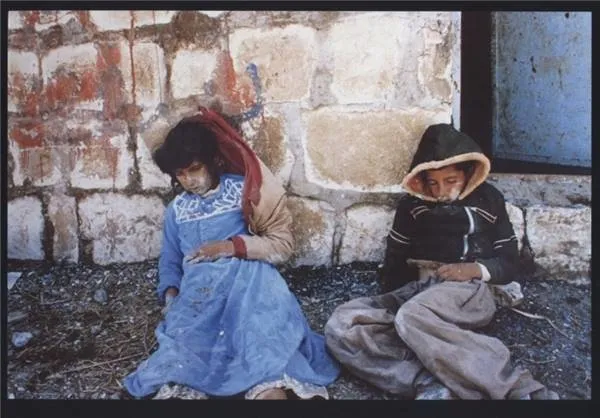
Tehran - BORNA - On the afternoon of July 7, 1987, Iraqi Baathist regime aircraft dropped mustard gas bombs on four densely populated areas of Sardasht. The attack killed over 100 people and exposed approximately 5,000 residents to chemical agents.
Why was Sardasht targeted?
This atrocity has been described as part of the Iraqi army's strategy to compensate for its military failures on the fronts and to instill terror in Iran's border regions. In the final years of the imposed war, the Iraqi Baathist regime, relying on its capacity to produce and stockpile chemical weapons, escalated its use of these weapons against Iranian combatants and even civilians. The aim was to undermine public morale, disrupt support for fighters in border areas, and exert psychological pressure on Iran.
The chemical attack on Sardasht also demonstrated the Iraqi regime's disregard for all humanitarian norms and its contempt for the prohibition on chemical weapons under the 1925 Geneva Protocol – an act later repeated in broader chemical attacks, including against the Iraqi city of Halabja.
International silence and reactions
Although UN experts had confirmed Iraq's use of chemical weapons several times before the Sardasht bombing, the international community's response to this atrocity was very limited and delayed. This silence and lack of deterrent action, in the view of many analysts, paved the way for Iraq to continue using chemical weapons.
In subsequent years, this tragedy became one of the symbols of the necessity for global action against chemical weapons. The Organization for the Prohibition of Chemical Weapons (OPCW), in anniversary statements commemorating the victims of Sardasht, has described the attack as a horrific crime and emphasized the need for the complete elimination of chemical weapons and support for their victims.
Sardasht, alongside cities such as Hiroshima and Halabja, has become a symbol of the suffering of victims of weapons of mass destruction. Every year in international disarmament forums, this tragedy is cited as an example of the catastrophic consequences of chemical weapons use.
Wounds that have yet to heal
The anniversary of the Sardasht chemical bombing, in addition to commemorating the victims, serves as a reminder of the international community's obligation to uphold the prohibition on chemical weapons, support survivors, and prevent the recurrence of such atrocities against civilians.
In the early stages of the imposed war, the Iraqi regime first used chemical weapons on a limited scale in the Shalamcheh region, with a second instance occurring in the Meymak area. From December 1982 onward, the Iraqis sporadically used lethal chemical agents. Initially, they employed limited quantities of sulfur mustard to disrupt the combat organization of Iranian forces in night operations.
In 1983, Iraq used chemical weapons in Piranshahr and the vicinity of Panjwin.
Use of 7,000 toxic shells
After Operation Valfajr-8 in 1986, Iraqi forces used toxic chemical agents on an unprecedented scale. Approximately 7,000 artillery and mortar shells containing toxic agents were fired at Iranian positions. Over a 20-day period, Iraqi aircraft dropped more than 1,000 chemical bombs on the battlefield, and over 30 chemical attacks were carried out against civilian targets in Iran.
Iraq's use of chemical weapons occurred despite the country being among the 120 signatories to the Geneva Protocol prohibiting the use of asphyxiating, poisonous, or other gases, and of bacteriological methods of warfare. The 1925 Geneva Protocol, reaffirmed by UN Resolution 2161 B (XXI), explicitly prohibits the use of chemical weapons. Excerpts from the 1925 Geneva Protocol state:
"The undersigned Plenipotentiaries, in the name of their respective Governments, declare: Whereas the use in war of asphyxiating, poisonous or other gases, and of all analogous liquids, materials or devices, has been justly condemned by the general opinion of the civilized world; and Whereas the prohibition of such use has been declared in Treaties to which the majority of Powers are Parties; and To the end that this prohibition shall be universally accepted as a part of International Law, binding alike the conscience and the practice of nations; Declare: That the High Contracting Parties, so far as they are not already Parties to Treaties prohibiting such use, accept this prohibition and agree to extend it to the use of bacteriological methods of warfare and agree to be bound as between themselves according to the terms of this declaration."
End Article