New era of instability in Persian Gulf; relying on old alliances a huge mistake: Guardian
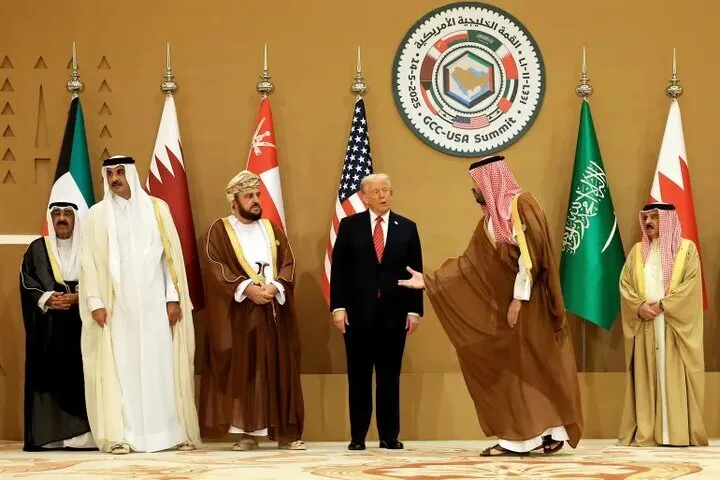
Tehran - BORNA - Over the past year, the Persian Gulf region has entered a new era of instability that is neither temporary nor reversible. A recent example is the deadly conflict between Saudi Arabia and the Yemeni armed forces. The death toll in this conflict has been relatively low compared to the illegal war against Iran and the Gaza war, but the gradual erosion of peace and security has dramatically altered the region in places like Saudi Arabia, Qatar, and the United Arab Emirates, far more than their leaders are willing to admit.
Reviewing the roots of this shift, The Guardian wrote: "The first bold and inconceivable action occurred nearly a year ago—when Iran, in retaliation for US attacks on its nuclear facilities, fired missiles at Al Udeid Air Base in Qatar, which hosts American forces. The lighting up of the Doha sky and the scattering of shrapnel was an alarming moment for the Qataris, who have sought to maintain good relations with Iran."
"Later in 2025, Israel targeted a building hosting a meeting of Hamas officials without warning or coordination with Qatar, resulting in the deaths of five Palestinians and one Qatari. This was the beginning of the end of a long-standing norm and expectation: that there was a sanctity for human life and the national sovereignty of the Persian Gulf states, secured by managing ties with Iran and an alliance with the US," the British daily added.
Pointing to Iran's targeting of US bases and interests in the Persian Gulf states in response to Trump's illegal war, the publication noted: "The most disastrous consequence from the perspective of Gulf rulers has been the way these attacks disrupted the integration of these countries into a cosmopolitan international community as destinations for tourism, entrepreneurship, sports, and entertainment. They spent billions of dollars to acquire franchises and host Formula One, golf, and boxing tournaments, but ultimately, a swarm of drones jeopardized all of them."
The result is a tense fragmentation that has reactivated dormant enmities, exemplified by Saudi Arabia's renewed conflict with Yemeni armed forces after 2014. What Saudi Arabia faces now is a prolonged and uncontainable war with a resourceful and highly motivated adversary capable of enduring heavy blows in ways that Riyadh cannot match without fully mobilizing for war.
Noting that the current regional situation is also a consequence of the Gaza war, the Zionist regime's attacks on Lebanon, and the US-imposed war on Iran, the article concluded: "The final piece that stabilized the tense regional balances was dismantled when Trump decided to subordinate the security and safety of US allies in the Persian Gulf to the war on Iran, which he termed a 'short excursion.' This exposed the limits of relying on the American security umbrella for both its allies and enemies."
End Article