
Iran unveils “Hatef-3” satellite
Iran has unveiled Hatef-3, a satellite developed as part of the Martyr Soleimani satellite constellation.

Eslami: Iran to unveil 20 new nuclear achievements in coming days
The head of Iran’s Atomic Energy Organization announced plans to showcase more than 20 new nuclear achievements in the coming days.

Eslami: Treatment, health, food security AEOI main priorities
Head of the Atomic Energy Organization of Iran (AEOI) Mohammad Eslami says that treatment, healthcare and food security are the main priorities of the organization.

Recently launched Iranian satellites successfully enter in-orbit testing stage
The three indigenous Iranian remote-sensing satellites of Paya, Kowsar, and Zafar-2 have successfully completed multiple in-orbit testing phases in the first week following their launch, marking a major national achievement in the country’s space and communications sector.

Aref: Space achievements reflect defiance of sanctions
Iran’s First Vice President Mohammad Reza Aref said the country’s space technologies clearly demonstrate national progress despite the unjust sanctions.
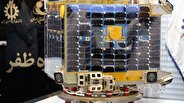
Space chief: Iran plans further satellite launches in February
Iran plans to launch several more satellites into space in the coming calendar month, which ends in late February, according to the country’s space chief, who says the launches may be carried out from new space centers currently being completed in northern and southern Iran.
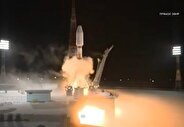
Iran puts 3 new remote-sensing satellites into orbit
Iran put three new remote-sensing satellites into orbit simultaneously, using a Russian launch pad on Sunday.
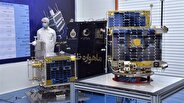
Iranian FM: Iran satellite program ‘entirely peaceful’ ahead of triple launch
Iran’s foreign minister said Tehran’s satellite program is strictly civilian and scientific, as the country prepares to launch three domestically built satellites into orbit this weekend.
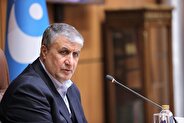
Eslami: Homegrown radiopharmaceuticals able to treat 30 cancer types
Stating that Iran nuclear therapeutics are among the best in the world, the head of the Atomic Energy Organization of Iran (AEOI) emphasized that one or two homegrown radiopharmaceuticals are cable of treating 30 cancer types.
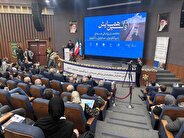
VP attends joint meetings of Nuclear Medicine Associations
A joint meeting of the country's nuclear medicine, radio-oncology, hematology, and oncology associations kicked off at Shohaday-e Tajrish Hospital on Thursday with the participation of Vice President Mohammad Eslami.
۱بعدی