Israeli Media Acknowledge Iranian Intelligence Superiority in the Digital Arena
Tehran - BORNA - While Hebrew media outlets report on the possibility of a severe military response from Iran in the event of a U.S. attack, Tel Aviv's military censorship has authorized Channel 12 to report on heightened protective measures for the commander of the Nevatim Airbase. According to the report, special protection has been established for Brigadier General Yotam Sigler and his family.
Israeli security sources claim this decision followed the neutralization of an alleged Iranian-linked plot to assassinate Sigler. Seven residents from the northern occupied territories have reportedly been arrested on charges of collaborating with Tehran to target the commander.
The Nevatim Airbase has previously been targeted twice by Iranian missile strikes. According to Hebrew media, the base sustained damages, although official details regarding the extent of the destruction were never released.
A security source told Channel 12 that providing personal protection for an airbase commander is an unusual measure, typically reserved for officials at the level of the Chief of General Staff or the Air Force Commander. However, due to current threats, the protection level for Sigler and his family has been significantly increased.
Widespread Breaches of High-Level Accounts
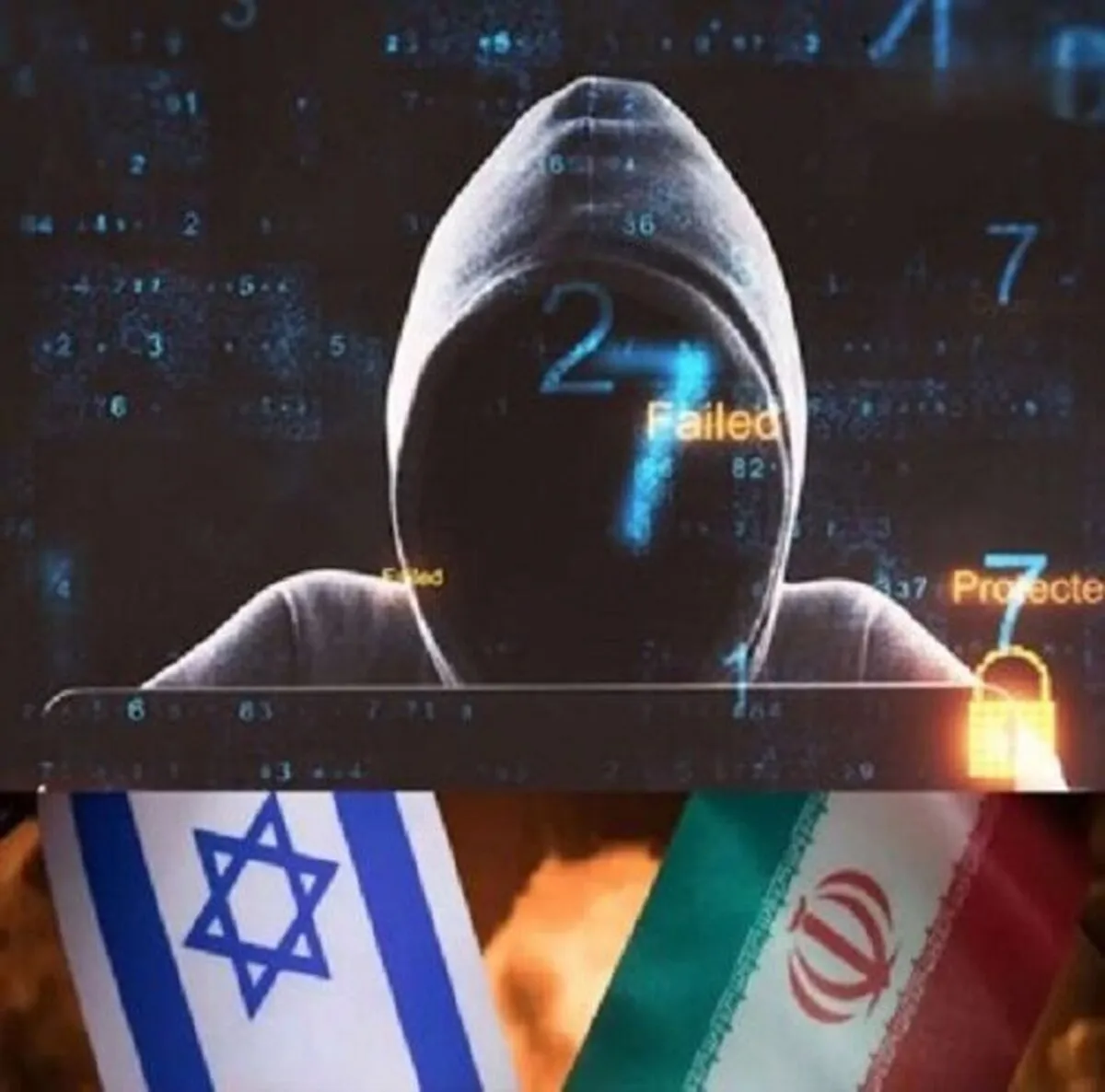
Simultaneously, Israeli intelligence agencies, including Shin Bet and the National Cyber Directorate, have acknowledged that Iran conducted hundreds of cyberattacks against Israeli targets over the past year. According to a report by Haaretz, these attacks included hundreds of attempts to infiltrate Google accounts, emails, and messaging applications belonging to politicians and prominent figures within military institutions.
The report indicates that since the onset of the conflict between Iran and the Israeli regime last June, there has been a surge in attempts to hack mobile phones, including those of defense industry officials, journalists, and academics.
In October, a hacking group known as "Handala" released data obtained through the breach of a recruitment platform for former military personnel. The leaked information concerned individuals who had served in sensitive army units.
In recent months, data from the Telegram accounts of former Prime Minister Naftali Bennett, former Minister Ayelet Shaked, and Tzachi Braverman, the Prime Minister's Chief of Staff, has been leaked. Additionally, the contact list of Yinon Magal—a media figure with ties to National Security Minister Itamar Ben-Gvir—was published.
Iranian Cyber Strategy: Social Engineering and Phishing
According to Haaretz, Israeli security agencies have warned that Iranian intelligence services use the data obtained to compromise the accounts of other individuals. These threats are particularly sensitive during the current election year.
Security agencies claim Tehran has spent years attempting to influence political discourse in the occupied territories, and scenarios involving the hacking of political actors' accounts or election-related systems are not far-fetched. The report revealed that approximately two months ago, Iranian hackers impersonated an internal Arab organization to establish direct contact with several politicians.
The report notes a distinction in tactics: while Israeli-affiliated hackers often carry out complex infrastructure attacks to cause technical damage, Iranian hackers primarily utilize simpler but highly effective methods like "Phishing." This involves sending deceptive messages from seemingly credible sources to trick victims into clicking links and revealing personal data. A more advanced version, known as "Spear Phishing," targets specific individuals with messages appearing to come from known acquaintances.
Gaps in Legal and Digital Frameworks
Despite efforts by Shin Bet and the Cyber Directorate to secure accounts through two-factor authentication and public awareness campaigns, Haaretz emphasized that the regime remains the third most targeted entity for cyberattacks globally.
The report highlights significant loopholes in current Israeli cybersecurity laws. There is presently no mandatory framework requiring all institutions and companies to adhere to a unified standard of digital protection.
In response, the Israeli Cyber Directorate has published a draft legislative plan to upgrade protection levels. Under this plan, institutions would be required to meet minimum security standards and immediately report any large-scale cyber incidents.
End Article