Ambiguity, Pressure, and Threat: The Strategic Logic Behind the “Washington–Europe” Policy Toward Tehran
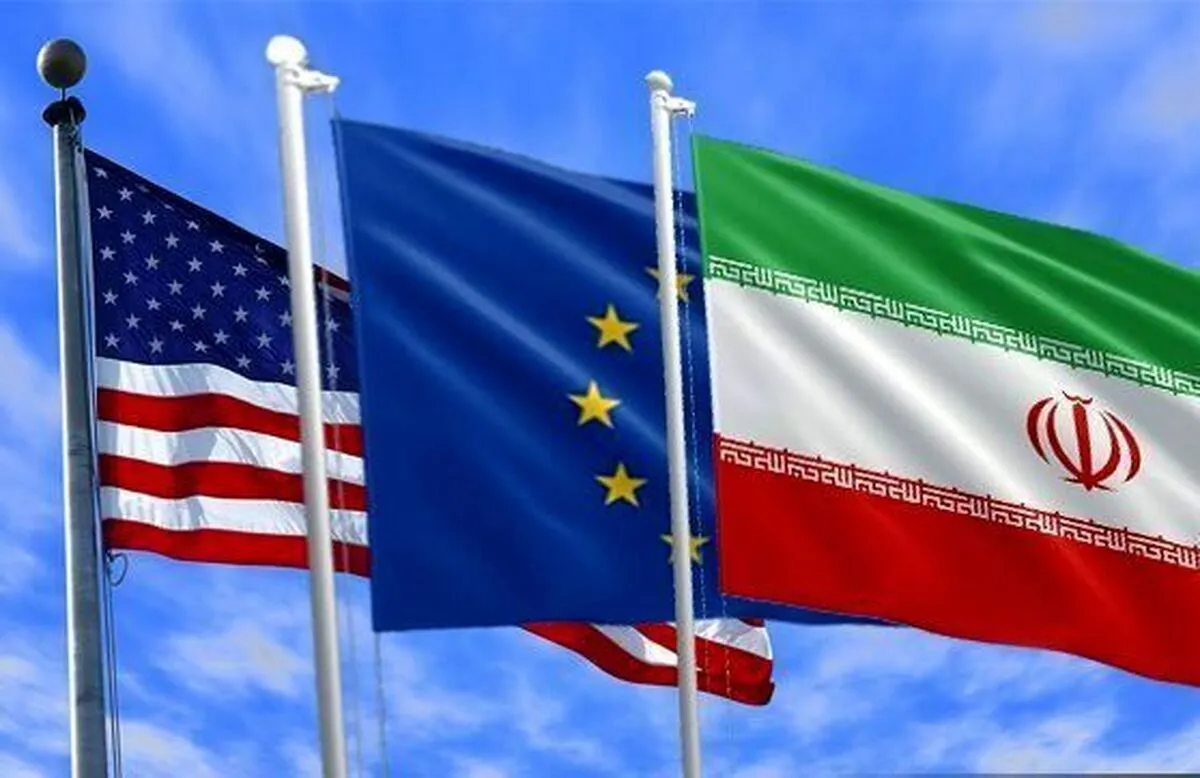
Jalal Khosh-Chehre, the editorial chief of Borna News Agency wrote: The essence of the joint “Washington–Europe” approach toward Tehran is built upon ambiguity, pressure, and threat — a strategic model operating under the dual framework of “negotiation (agreement) or confrontation (war).”
Two mechanisms are central to this doctrine: external pressure and internal division.
Its objective is to generate confusion, haste, and miscalculation within Tehran’s decision-making system.
In this new modeling, the traditional “good cop–bad cop” division that once existed between Washington and the European trio has disappeared. Their demands are now articulated in clear alignment. Tehran, therefore, faces a binary choice: to accept these demands or to persist in resistance against escalating Western pressure.
The Western bloc, guided by its own perception of regional realities — a perception increasingly aligned with Israeli interests — believes that Iran’s strategic depth has diminished since October 7, 2023. This perception, reinforced by the recent twelve-day war and attacks on Iran’s nuclear infrastructure, suggests to them that Tehran’s capacity for strategic endurance has weakened.
In their calculation, sanctions pressure will erode cohesion between the people and the state, creating fissures within Iran’s power structure.
In essence, this is how the West — particularly Washington — currently imagines Tehran’s post-war condition: a state deprived of its former leverage and negotiating tools.
Divergences Within the Western–Israeli Alignment
Yet two major developments have exposed cracks within this supposed unity between Washington, Europe, and Tel Aviv.
First, the emergence of a “limited but intense war.” Second, Tehran’s direct retaliatory response to both Israel and the United States.
Washington’s tolerance of Iran’s retaliatory missile strike on the largest U.S. military base in Qatar marked an unprecedented moment in modern history — something unseen since the Vietnam War.
Meanwhile, Tel Aviv had never imagined that a Middle Eastern state could directly target the very center of Israeli power.
These developments revealed a significant truth: Washington has come to recognize Tehran’s power and, in its own way, seeks to engage with Iran — even through confrontation.
The Strategy of a “Limited War”
For Washington, the “limited war” strategy is not aimed at toppling the Iranian government.
Rather, it serves as a tool to influence Tehran’s policies, impose constraints, and achieve specific objectives short of regime change.
This was evident in the ceasefire announced after the attacks on Iran’s nuclear facilities, which Washington used as a diplomatic lever to push Tehran toward accepting its terms.
The United States now seeks to compel Iran into accepting a comprehensive peace agreement — not through total war, but through controlled escalation designed to reshape Tehran’s behavior.
This strategy sharply differs from Israel’s maximalist agenda, which continues to advocate a full-scale regional conflict.
By maintaining control of the escalation ladder, Washington aims to preserve strategic initiative and keep Europe on the sidelines, even as the European trio claims an active role against Tehran.
Between Threat and Opportunity
The current landscape presents Iran with both new threats and potential openings.
The threat lies in the trilateral coalition — Washington, the European trio, and Tel Aviv — which continues to pursue Iran’s capitulation through ambiguity, pressure, and the threat of war.
The opportunity, however, lies in the lack of complete convergence among these three actors’ strategic goals. Their alignment is tactical, not existential.
And precisely in this gap — in the divergence of aims and priorities among them — Tehran may find a path toward strategic leverage.
Whether Iran can transform this narrow opening into a sustainable “strategic breakthrough” remains the question that will define the next phase of its foreign policy.
End Article