From Muscat to Geneva: The Second Step of Risky Diplomacy
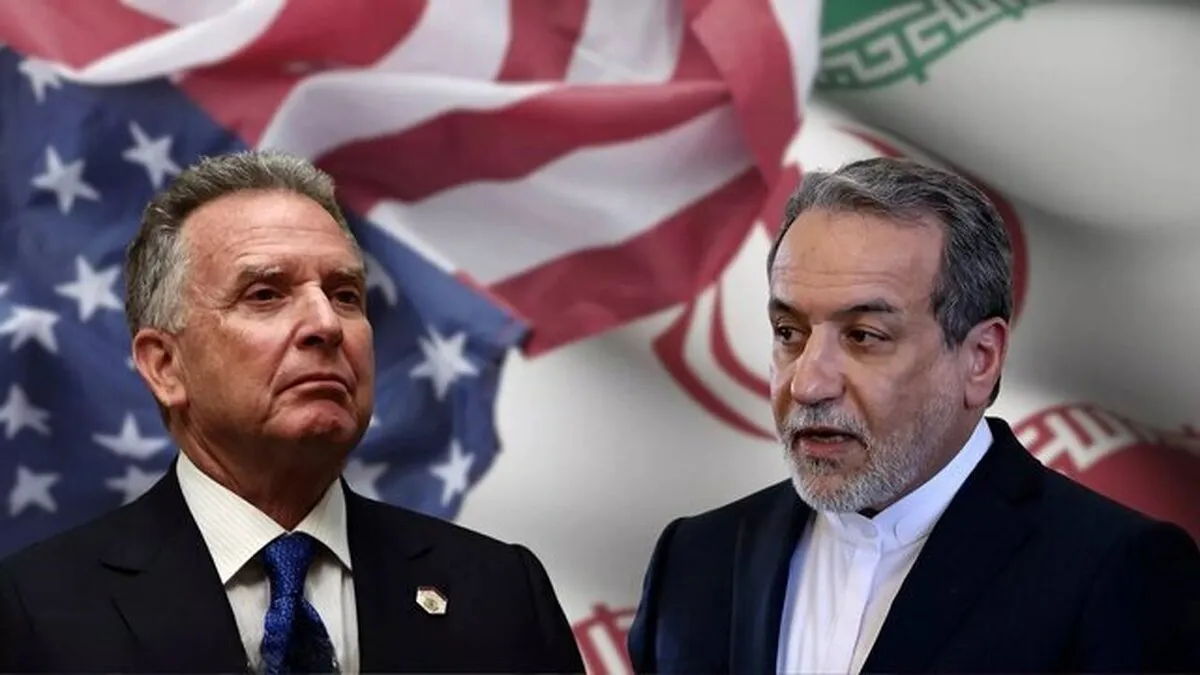
Tehran - BORNA - The second round of indirect negotiations between Iran and the U.S. will be held on Tuesday around noon at the Omani Embassy in Geneva, with the presence of Iran's political and expert delegation led by "Seyed Abbas Araghchi," and "Steve Witkoff," Donald Trump’s special envoy, and "Jared Kushner," the senior advisor and son-in-law of the U.S. President.
The second round of negotiations between Iran and the U.S. takes place seven months after the U.S., in support of the Zionist regime and in the midst of nuclear negotiations that were also being conducted with Omani mediation, attacked Iran and its nuclear facilities, which were under the supervision of the International Atomic Energy Agency.
Despite the highly inflamed political and security atmosphere between Iran and the U.S., for a month, the U.S. has persistently asked Iran to return to the negotiating table. After several repetitions of these requests and the travel of regional officials to mediate between Iran and the U.S.—aimed at reducing regional tensions and resolving the nuclear issue—Iran once again accepted negotiations with the U.S. through Omani mediation.
The first round of negotiations was held on February 6 (17 Bahman) in Muscat, the capital of Oman; the axis of these negotiations was the discussion of generalities of interest and ensuring each side of the other's necessary political will and seriousness to enter into serious negotiations.
During the past two weeks, consultations and the exchange of messages have been ongoing through various means, and in the latest development, the American side conveyed proposals and ideas to the Omani side to be presented to Iran in response to Iran's views and ideas. These ideas were delivered in writing to the Secretary of the Supreme National Security Council and the official in charge of the nuclear file during a visit to Oman. Therefore, it is expected that in the second round of negotiations, Iran will reciprocally respond to the American side's proposals.
This round of negotiations between Iran and the U.S., unlike negotiating rounds over the past two decades, is taking place under the threat of a U.S. military attack, which inherently makes the process and the positions of both sides hard and complex. Just as Trump has pursued his maximum policies in his approach toward Iran, he is also seeking maximum demands and expectations in the negotiations, and it seems the situation remains unchanged from how it has been so far.
Iran has always emphasized that it negotiates with great powers solely on resolving the nuclear issue to find a peaceful solution to address international concerns, and that missile and regional issues cannot be the subject of negotiation. Despite all military, political, and security threats, from Iran's perspective, the axis of negotiations with the U.S. is the nuclear issue while taking into account U.S. regional concerns.
Accepting the right to enrichment for Iran and preserving this capacity has been and remains among Iran's unchangeable conditions and red lines, and it appears the U.S. accepted this condition before entering the Muscat negotiations.
The Muscat negotiations were, in a way, a place for the parties to assess each other, and the positions of the parties over the past 10 days show they have gained a "suitable and good" assessment of each other's will and seriousness; however, this approach remains unstable given Trump’s contradictory positions and the shadow of war over the talks.
From Iran's view, the presence of Jared Kushner in the negotiations has carried a positive message; unlike the unexpected presence of the CENTCOM commander, which was assessed as completely negative. The continued presence of Trump's son-in-law and senior advisor in the negotiations, who has a close relationship with Zionist regime Prime Minister Netanyahu, could help lighten the weight of mistrust between the two sides.
It seems the Geneva negotiations remain a place for Iran to gauge the level of U.S. commitment and seriousness as to whether it truly seeks a peaceful resolution to the nuclear issue or is seeking to apply pressure through the negotiating table.
The success of this round of negotiations will largely depend on how Tehran responds to U.S. proposals and the level of Washington's flexibility in accepting Iran's red lines, particularly regarding the acceptance of enrichment; a path that could ultimately lead to a reduction in tension and the revival of the dialogue process or enter the two countries into a more complex stage.
End Article