In Praise of Akbar Abdi: The Man of a Thousand Faces Who Poured His Soul Into Every Role
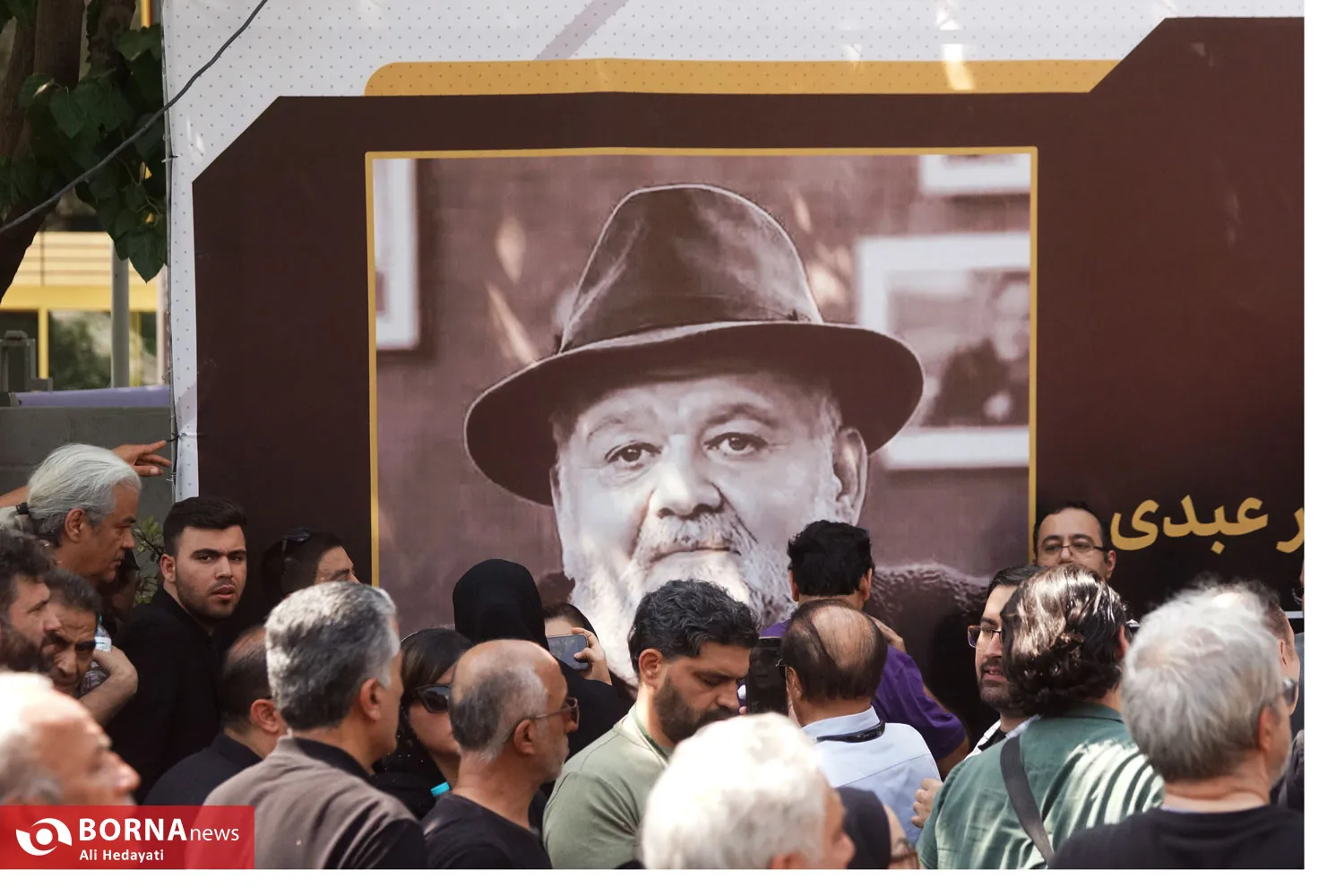
Tehran - BORNA - Known as the "Man of a Thousand Faces" in Iranian cinema, Abdi was an actor who never feared shattering his own image. Time and again, he stepped aside to let his characters breathe and come alive—a commitment that cemented his status as a legendary figure in Iran's cultural landscape.
"Value Artists While They Are Alive"
"Cherish artists while they are still alive." In one of his poignant interviews, Abdi uttered these words not for himself, but with deep sorrow for his peers and predecessors—legendary directors and actors like Bahram Beyzai, Dariush Mehrjui, Attila Pessyani, Freydoun Jeyrani, and Ferdous Kaviani. He spoke mournfully of Kaviani, a brilliant actor and theater scholar who spent the final years of his life in quiet isolation.
"For ten years, no one checked on him—neither officials nor many of his colleagues," Abdi lamented. "Now that he has passed, everyone sends messages of condolence and floral wreaths. Why did no one visit him or offer him a role while he was alive?" Today, as Iranian cinema mourns Abdi's passing, those words echo with tragic irony, as if he was unwittingly foretelling his own farewell.
Reflecting on a Transforming Cinema
In his final years, Abdi was outspoken about the changing landscape of Iranian cinema, lamenting the shift away from character-driven storytelling. He reminisced about the golden era of Iranian cinema that produced cinematic masterpieces like The Tenants (Ejareh-Nesheenha), Mother (Madar), The Snowman (Adam Barfi), O Iran (Ey Iran), and Nasser-al-Din Shah, the Cinema Actor.
"In the old days, going to the cinema was a grand ritual," Abdi once recalled with nostalgic affection. "We would dress in our finest clothes and wear perfume, as if attending a wedding. Going to the movies was a major event."
A Master of Transformation
Over a career spanning 43 years, Abdi appeared in 86 feature films, 71 television series, and 10 theatrical productions. He was nominated eight times for the Crystal Simorgh at the Fajr International Film Festival, winning the prestigious award three times, alongside receiving Iran's First-Class Order of Culture and Art.
Yet, beyond awards and statistics, Abdi’s true magic lay in his extraordinary ability to embody every character completely. Across decades of performance, he seamlessly transformed into an innocent child, a devoted son, a historical monarch, an elderly woman, and diverse regional figures—mastering accents, gestures, and emotions so thoroughly that audiences forgot Akbar Abdi and saw only the character on screen.
With his passing, Iranian cinema loses not just a legendary performer, but a true master who poured his soul into every frame.
End Article