US analyst warns Trump may only have two more weeks of sustained strikes on Iran
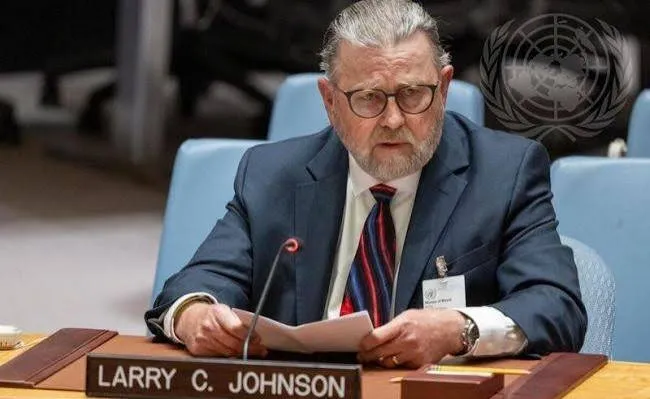
Tehran - BORNA - Larry Johnson, a former CIA analyst, told ISNA that Ukraine's recent attack on an Iranian vessel in the Caspian Sea was an attempt to win favor with Donald Trump ahead of President Zelensky's visit to Washington.
"Kyiv tried to show with this action that it stands with the US against Iran," Johnson said. "However, it could face a reciprocal response from Iran, potentially coordinated with Russia."
He added that the most important common factor between the Iran and Ukraine fronts is the strain on US military resources, with Washington facing shortages of offensive and defensive guided missiles even for a single front.
Johnson also dismissed Zelensky's "baseless" claims about Iran's role in the Ukraine war, arguing that if Zelensky's logic were accepted, then the US, Germany, France, and Britain would also be considered combatants for supplying weapons to Ukraine, allowing Moscow to target them under the same reasoning.
Shortages across key weapons systems
Johnson said Defense Secretary Pete Hegseth has provided Congress with inaccurate information about US weapons stockpiles. The US faces severe shortages across critical systems, including Patriot, THAAD, HARM, Tomahawk, JASSM, ATACMS, and the new PrSM missiles.
US Patriot interceptor stocks have fallen significantly, while THAAD interceptors have also dropped sharply. More than a thousand Tomahawk and JASSM missiles have been expended, with replacement timelines extending to 2031 for some systems.
The Pentagon has been forced to redeploy interceptor stockpiles from other regions, including weapons originally allocated to the Indo-Pacific, reducing strategic reserves available for deterrence.
Fuel crisis and logistical constraints
Johnson added that Trump's decision to pause strikes was driven by a fuel crisis as well. Most US refineries are designed to process sour crude, and reduced imports have created shortages of diesel and jet fuel. Heavy drawdowns from strategic petroleum reserves cannot solve the problem long-term and may damage storage infrastructure.
The US, Johnson said, has at best about two more weeks of capacity for sustained attacks on Iran. Shortages of refueling aircraft, maintenance backlogs, crew shortages, and equipment fatigue have further reduced operational capability.
Iran's strikes, he noted, have forced the US to reduce its presence at some regional bases. If war resumes, US and Israeli forces would be even more exposed to Iranian missile attacks.
Netanyahu's visit to Washington
Johnson said Netanyahu's visit to Washington was primarily aimed at urging Trump to continue the war against Iran. Reports suggest Trump has asked Netanyahu to withdraw Israeli forces from Syria, Lebanon, and Gaza — a demand that aligns with one of Iran's preconditions for returning to negotiations.
Johnson also claimed Iran has received messages through Qatar, Pakistan, and Iraq's Prime Minister about returning to talks, but has insisted it will not return until its preconditions are met.
Israel has become more dependent on fuel imports after Iranian strikes damaged the Haifa and Ashdod refineries, giving Washington leverage over Tel Aviv.
End Article