US selects five states for nuclear waste management pilot program
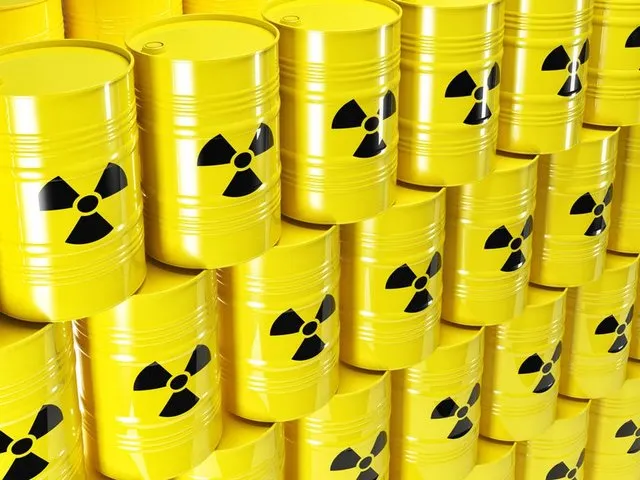
Tehran - BORNA - The Hill reported that the Department of Energy has signed memorandums of understanding with Utah, Tennessee, Oklahoma, Louisiana, and Idaho to explore the possibility of establishing nuclear waste storage sites in these states.
The US administration announced early this year its intent to fast-track a plan to build new nuclear waste storage facilities, expressing hope that the first such facility would come online within a 2027 timeframe.
Energy Secretary Chris Wright said in a statement that the department selected five initial candidates from 28 applications submitted by 26 states to explore the establishment of innovation complexes in nuclear material lifecycles. He claimed the plan is "vital to unleashing America's nuclear renaissance."
The Hill noted that the nuclear energy industry enjoys bipartisan support as a clean power source, but its biggest challenge has been the management of spent nuclear fuel.
Congress selected Nevada's Yucca Mountain as a potential nuclear waste storage site in 1987, but the project faced significant local opposition.
The Trump administration has said it intends to quadruple the country's nuclear energy capacity by 2050.
US nuclear ambitions contrasted with stance on Iran
While the United States aggressively pursues nuclear energy expansion and addresses the issue of spent fuel through projects such as nuclear material lifecycle innovation complexes, it adopts a markedly different tone toward Iran.
Washington, which enjoys bipartisan support for expanding nuclear power plants domestically despite local opposition to projects like Yucca Mountain, and insists on quadrupling its nuclear capacity, pursues a one-sided and coercive approach on the international stage.
The fundamental question is how a country seeking maximum benefit from peaceful nuclear energy can deny Iran's legitimate right to access this technology within the framework of international treaties and under IAEA supervision, while using sanctions and political pressure to obstruct Iranian scientists.
End Article