Aref: Enemy fought Iranian identity and civilization but failed
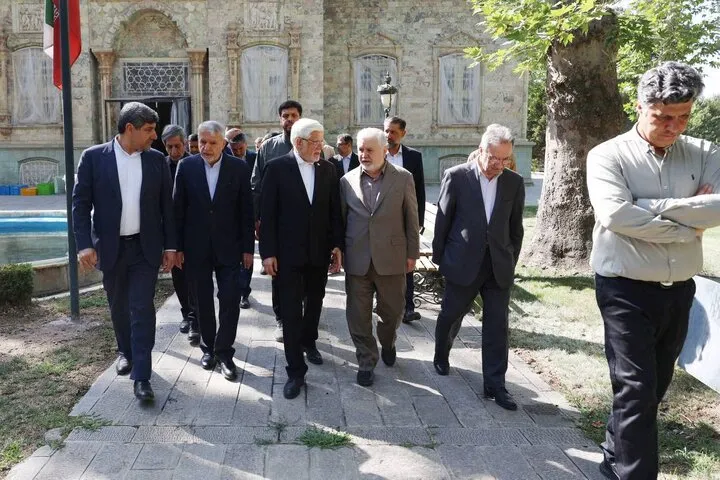
Tehran - BORNA - Mohammad Reza Aref, during a meeting with officials from the Ministry of Cultural Heritage, Tourism and Handicrafts and veterans of the field, congratulated the global registration of Alamut and stated: "A significant part of the Islamic Republic of Iran's soft victories is indebted to the activities of the three sectors of cultural heritage, handicrafts, and tourism. Iran’s cultural and civilizational heritage is an enduring asset and a national trust whose protection, restoration, and proper utilization are a collective duty."
Referring to the eight-year imposed war, sanctions, and the two recent imposed wars, he added: "Despite all these actions, the dominant power failed to achieve its objectives, and its latest attempt by imposing two recent wars against Iran ended in failure." According to Aref, the country emerged victorious in these battles because cultural and civilizational heritage became the primary foundation of national cohesion, uniting all people around the axis of Iran.
Expressing gratitude to veterans and elites in the field of culture and civilization, the First Vice President described the Ministry of Cultural Heritage, Tourism and Handicrafts as the "Ministry of Defense for Iran’s Civilization and Culture," stating: "Despite the actions taken, we are still far from optimal protection of historical monuments and must work harder to preserve, restore, and utilize this heritage to strengthen national pride and authority."
Addressing the budget constraints in this field, Aref noted: "No government can solve the budgetary problems of cultural heritage alone; therefore, the capacities of benefactors, the private sector, and companies with corporate social responsibility must be utilized to create sustainable financial resources."
He further stated that over 90 percent of foreign tourists visit Iran with cultural motivations, adding: "All obstacles to foreign tourists must be removed, and the potential of globally registered sites must be maximized to develop tourism and achieve cultural and national goals."
Following his visit to the Omidvar Brothers Museum, Vali Building, Green Palace, and Mellat Palace in the Sadabad Complex—which sustained damage during the Ramadan War—the First Vice President stated: "In the two recent imposed wars, the enemy insisted on erasing Iran's cultural heritage sites, and by attacking these monuments, revealed its hateful stance toward Iranian culture and civilization. These wars were not merely political disputes, but an attempt to strike at Iran’s identity, culture, and civilization; however, this realization led the people to stand firm for more than 150 nights in defense of their culture, identity, and values."
Highlighting the commencement of restoration efforts for damaged sites, Aref said: "The Ministry of Cultural Heritage, Tourism and Handicrafts has earnestly begun the restoration and revitalization of these monuments and requires the participation of the public and enthusiasts of Iran’s culture and civilization." He expressed hope that through the efforts of experts and specialists in this field, the damaged monuments would be restored at the earliest opportunity.
Concluding his remarks, the First Vice President emphasized that the Islamic Republic of Iran will pursue the issue of attacks on its historical and cultural sites in international forums, stating: "These monuments had no connection to the war, and many of them are registered on the World Heritage list. Throughout the world, many individuals and institutions take pride in Iran’s civilizational heritage, and in cooperation with them, the country’s legal claims can be pursued in international assemblies."
End Article