Bab al-Mandab: The Trump Administration's New Dilemma
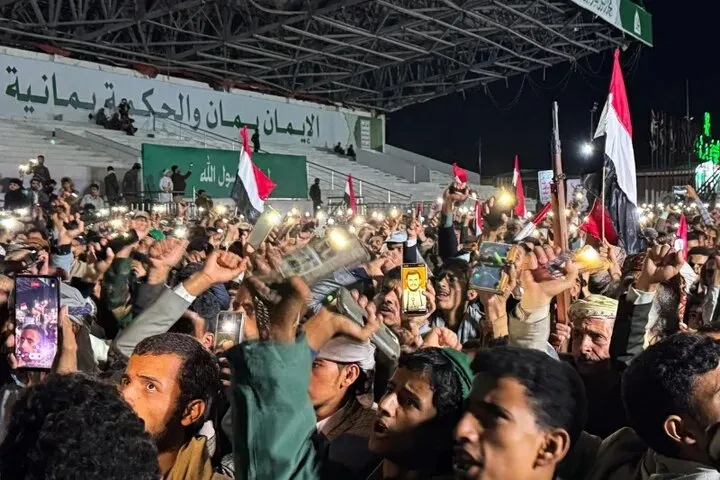
Tehran - BORNA - According to a Reuters report, by expanding the scope of conflicts in the Middle East, Yemen's Ansarullah forces have advanced south along the Yemeni coast, increasing their capability to block the Bab al-Mandab Strait—known as the "Gate of Tears" at the mouth of the Red Sea. This move gives Tehran potential leverage over both of the region's main oil transit routes.
On Friday, these forces reached Perim Island, located in the middle of the strait between Yemen and Africa. This is grim news for Saudi Arabia, a country that has been exporting the bulk of its oil through Red Sea ports since the naval blockade of the Strait of Hormuz resulting from the war against Iran.
These developments come at a difficult time for Trump, a president currently grappling with his lowest approval ratings and desperately seeking a way out of this conflict—including by announcing an economic pressure campaign aimed at forcing the Iranian government to make concessions.
The rise in US gasoline prices caused by these conflicts has jeopardized the Republican Party's chances of retaining control of Congress in the November midterm elections. Meanwhile, Iran continues to fiercely resist despite enduring heavy military and economic blows.
Stephen Wertheim, a senior fellow at the Carnegie Endowment for International Peace, notes: "Just a few weeks ago, Trump adopted a strategy aimed at pressuring Iran's economy without letting the military conflict escalate to a level that would hurt the US economy. But Yemen's Ansarullah have foiled Trump's plan."
Blocking the Bab al-Mandab Strait would trigger a surge in energy prices and disrupt global trade, choking off 7% of the global oil supply and roughly 12% of worldwide commerce. At the same time, entering a battle with an adversary that has already withstood years of Saudi and US attacks would mark a dangerous new mission for a US military already strained by Iran-related conflicts.
Saudi Crown Prince Mohammed bin Salman called Trump on Thursday to request military assistance to counter Ansarullah. However, the Crown Prince was informed that Washington will not intervene directly for now, though intelligence assistance is being provided.
A senior Trump administration official declined to answer specific questions but stated that the US focus remains on national security interests, including ensuring freedom of navigation in the Red Sea, while empowering regional partners to take the lead in managing and resolving the region's security challenges.
A Second Vital Strait
David Schenker, who served as Assistant Secretary of State for Near Eastern Affairs during Trump's first term and is now at the Washington Institute for Near East Policy, remarked: "This was always the worst-case scenario: that the Iranians would gain control not only over the Strait of Hormuz but also over the Bab al-Mandab as two of the world's most critical energy chokepoints. This is massive leverage that the Iranians hold."
Analysts and former US officials say Trump now faces a stark choice: dedicating scarce US air defense forces and munitions to push back Ansarullah, or delegating the responsibility of countering these Yemeni forces to Saudi Arabia and its allies, namely the southern-based Yemeni government.
A conflict with Yemen's Ansarullah would effectively end the agreement Trump brokered last year, under which the US halted its bombing of the group's positions in exchange for Ansarullah stopping their attacks on Red Sea shipping. Such an action would likely expose US forces to Yemeni missile attacks.
US Military Under Pressure and Resource Constraints
The current situation in the region will also place an added burden on the US military. US officials warn that, given the need to accurately identify Ansarullah's recently shifted positions, confronting the group may demand significant naval and air resources and divert US intelligence assets.
If US Navy vessels and aircraft are forced to shoot down Ansarullah drones and missiles, this situation could further deplete Washington's already dwindling munitions stockpiles.
Tim Lenderking, who served as the US Special Envoy for Yemen during Joe Biden's presidency and is now a director at the law firm Squire Patton Boggs, stated that given Trump's demonstrated reluctance to engage in direct military intervention against Ansarullah, the United States must do more to share intelligence with the Saudis for their air campaign and increase diplomatic and material support for the internationally recognized government of Yemen.
End Article