'The Day of the Incident': A Teacher’s Account of the Minab School Massacre
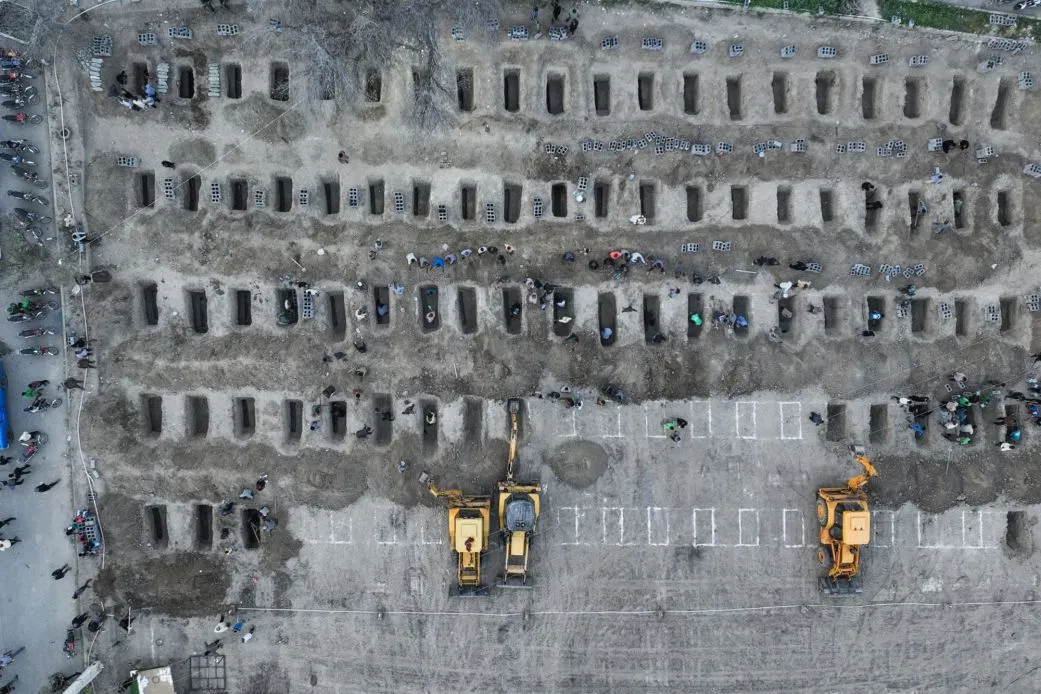
Tehran - BORNA - Kamali arrived early that morning for a scheduled faculty meeting, unaware that within hours, neither the meeting nor the school would exist. A sudden family emergency forced her to leave shortly before the strikes. Now, on Teacher’s Day, she recalls the "precious charges" she left behind—the students who were buried under the rubble—and her harrowing return to recover their bodies.
Kamali’s morning began normally. While her class was in a Quran lesson, she was in the staff room preparing for a meeting. Feeling unwell, she initially asked to postpone the session, but the vice-principal insisted it proceed, remarking, "perhaps there will be no tomorrow".
Shortly after, Kamali received word that her aunt had passed away. She grabbed her car keys and rushed to the hospital, leaving her personal belongings and her veil in the classroom. "I'm going to the hospital; I'll be back as soon as the children's Quran class is over," she told a colleague. Later, a fellow teacher called her, insisting she stay home to rest while he covered her math lesson—a call that ultimately saved her life.
The Boy Who Overslept
Kamali’s son, also a student at the school, survived because he overslept that morning. "His father told me to let him stay home," she recalls. While at her aunt’s funeral near the school, she heard talk of war but dismissed it: "I thought the war would be in Tehran, not here in Minab".
At approximately 11:00 AM, schools were ordered to close. Kamali urged her sister to pick up her nephew, but her sister replied that the boy's father would collect him. Moments later, the first blast hit. "The force threw me across the room like a football," Kamali said. Outside, smoke rose from the horizon. Passersby shouted that the clinic and warehouses were hit, but no one mentioned the school. "I thanked God, thinking the children had already gone home".
Three Explosions
The first explosion occurred at 11:22 AM. The second followed 25 seconds later, and the third hit as Kamali reached the local clinic. The shockwave lifted her car off the ground, shattering the exhaust.
"I didn't know the school had been hit," she said. "I just knew the city was under attack". It wasn't until she was at a gas station that a phone call shattered her world: "Are you Mrs. Kamali? Where are you trapped under the rubble? The school is gone".
'Karbala in Minab'
By the time Kamali reached the site, the area was unrecognizable. Distraught parents were screaming, "Where is my child? I gave them to you this morning!". A friend hugged her and delivered the final blow: "The principal is gone; your colleagues are gone; the children are gone. The school is completely gone".
Communication lines were severed until nightfall. Kamali describes the scene as "The Desert of Karbala". When service returned, her phone was flooded with calls from parents asking for children she knew were dead. At 2:00 AM, she learned her nephew and his father were among the victims, killed by the second blast as they attempted to flee the building.
"They asked me to come to the school if I could handle it," she said through tears. "Body parts were everywhere. It was truly Karbala".
Heroism Amidst Horror
Kamali recounted the sacrifice of the school’s physical education teacher. During the first explosion, the teacher managed to push several students to safety but became trapped between metal bars. "She used her body as a shield for the children," Kamali said. "She died of a brain injury, but the student she protected survived". Though teachers had 25 seconds to save themselves between the first and second strikes, many chose to stay and rescue their students.
The tragedy took a staggering toll on the Shajareh Tayyiba complex, a large facility that served 403 students across its various departments. Out of the total student body, 120 children were martyred, including 47 girls and 73 boys. The loss among the faculty was equally devastating, with 26 staff members killed, leaving only 10 survivors. Kamali’s own classroom was the hardest hit; ten of her students were killed, leaving the remaining few to cope with severe injuries and trauma.
Despite the fact that the 36 staff members were all contract employees and not permanent civil servants, they remained at their posts until the end. Three days after the massacre, surviving teachers resumed classes online. "The founder is alive, but both principals were martyred," Kamali said. "We kept the light of education burning".
For Kamali, the hardest part is facing the grieving families. "It is difficult to sit across from a family who gave me their precious children to take care of in the morning, and I couldn't return them," she said. She admits to experiencing stammers and numbness when visiting the bereaved. In a final message to her surviving students, she vowed: "As a teacher, I will stay by your side until my last breath. We will rebuild this school and make it vibrant again, so the children never feel they are lacking".
End Article