'Hormuz is Our Territorial Water': Senior Lawmaker Assures Special Transit Conditions for Russia and China
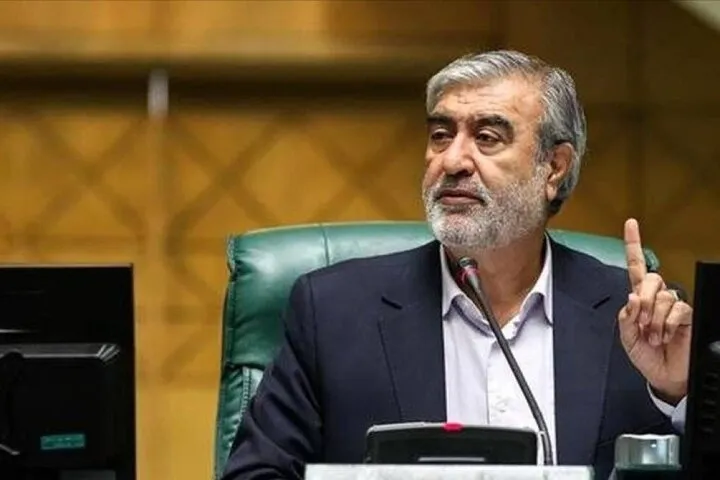
Tehran - BORNA - Speaking in an exclusive interview with Russia's RIA Novosti news agency, Azizi declared that strategic allies, most notably Russia and China, will continue to receive special treatment and highly favorable conditions regarding matters related to the Strait of Hormuz. The senior lawmaker highlighted that Russia and China have consistently supported and cooperated with Iran, standing firmly alongside Tehran during its most challenging periods. Consequently, Azizi noted, special consideration will be extended to both nations in organizing maritime navigation and transit through the strait, encompassing both their commercial vessels and oil tankers.
Underscoring the geopolitical significance of the waterway for Iran, the parliamentary committee chairman asserted that the Strait of Hormuz forms a direct part of Iran's territorial waters and sovereign geography. He maintained that Iran reserves the right to make any decision it deems necessary regarding the passage, adding that no foreign entity can question or challenge this sovereign right.
Following military aggressions by the United States and the Israeli regime in late February 2026, transit through the Strait of Hormuz was strictly prohibited for hostile and military vessels belonging to adversary nations. Conversely, the passage of ships from other countries was made conditional upon full prior coordination with Iranian authorities. Tehran, in close cooperation with Muscat—as the two littoral states whose territorial waters encompass this international waterway—is actively seeking to define a new operational mechanism to guarantee the safe transit of vessels through the region.
This collaborative approach was recently echoed by Iranian Foreign Ministry Spokesperson Esmaeil Baghaei, who noted that Iran and Oman maintain a highly responsible stance toward the safety and security of the Strait of Hormuz. Baghaei stated that both nations intend to establish frameworks that simultaneously safeguard their national security interests and assure the international community that secure shipping via this vital route will continue smoothly.
In another part of his interview, Azizi addressed the ongoing diplomatic negotiations between Iran and the United States mediated by Pakistan. The senior lawmaker categorically dismissed rumors regarding Iran's nuclear program, firmly stating that the issue of transferring or removing enriched uranium out of the country is absolutely not on the agenda at this stage of consultations among the Iranian and Pakistani delegations, nor has it been raised at any level of contact with the Americans.
While recent Islamabad-mediated talks between Tehran and Washington aimed at reaching a comprehensive agreement to end the war have yielded significant progress, officials note that certain core issues still require further deliberation before a final text can be concluded. According to parameters outlined by Tehran, the proposed memorandum focused primarily on the reopening of the Strait of Hormuz, US confidence-building measures—including the unfreezing of blocked Iranian financial assets—and a total cessation of military hostilities across all regional fronts. Following the potential finalization of this agreement, a separate, time-bound negotiation window is expected to open to address outstanding nuclear matters.
End Article