Persian Leopard Spotted in Hyrcanian Forests of Amlash
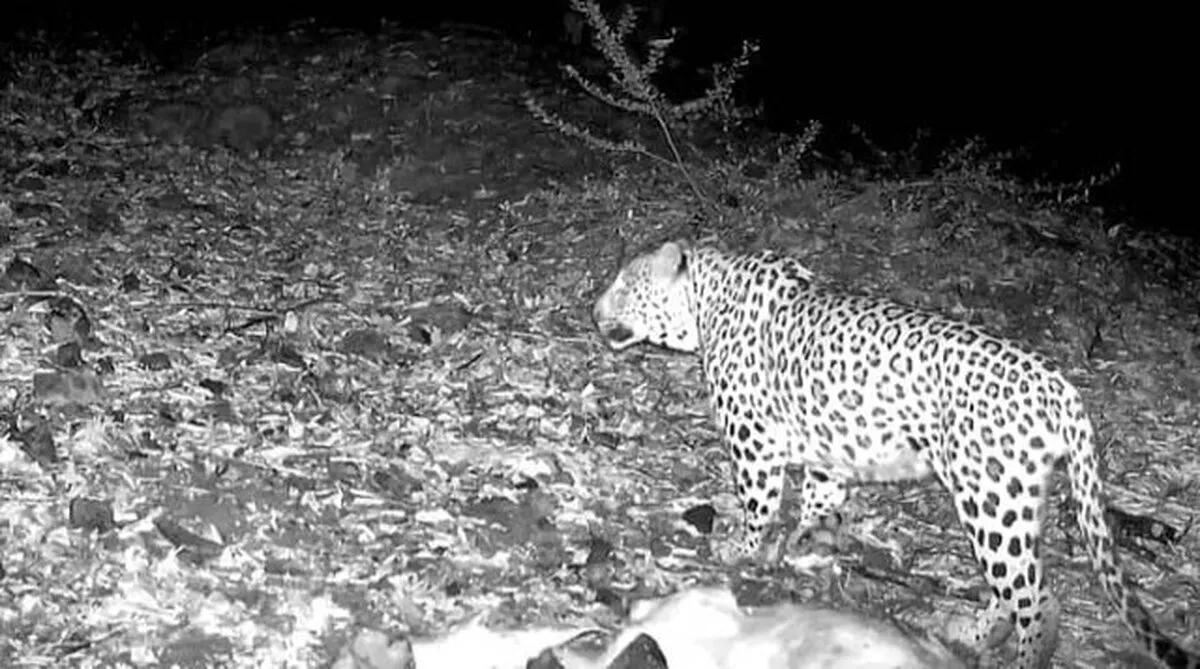
Tehran - BORNA - According to Farhad Hosseini Taifeh, Director General of Environmental Protection in Gilan, the footage was captured thanks to the efforts of ranger Shahpour Abdi, who installed camera traps in the highland forests of Amlash.
He explained that continuous monitoring this year has led to the identification of at least four individual leopards — two males, one female, and a cub — confirming the presence of a stable population in the Hyrcanian forests.
Highlighting the ecological significance of the region, Hosseini Taifeh noted that Gilan, with its Hyrcanian forests, highland pastures, ecotones, and vast mountains, is one of Iran’s biodiversity hotspots and home to key species such as the Persian leopard, brown bear, red deer, roe deer, wild sheep and goats.
Iran is recognized globally as one of the world’s biodiversity-rich countries, encompassing ecosystems ranging from lush Caspian forests to deserts, alpine meadows, and Persian Gulf wetlands. The country hosts more than 1,300 vertebrate species, including nearly 200 mammals and over 550 bird species.
Iconic animals include the Persian leopard, Asiatic cheetah, Caspian seal, and the endangered Siberian crane.
At the same time, Iran’s landscapes support more than 8,000 plant species, many of them endemic. This unique biodiversity faces threats from habitat destruction, poaching, climate change, and unsustainable development. Conservation efforts — such as the use of camera traps, the establishment of protected areas, and international cooperation — are considered essential to preserve these ecosystems and species for future generations.
Hosseini Taifeh stressed that protecting the Hyrcanian forests from destructive activities such as road construction, land grabbing, villa building, illegal logging, and wildlife poaching is vital for safeguarding both wildlife and the broader ecological integrity of the region.
End Article