Tehran and Washington Hold the Keys: Sideline Powers Can’t Broker the Real Deal
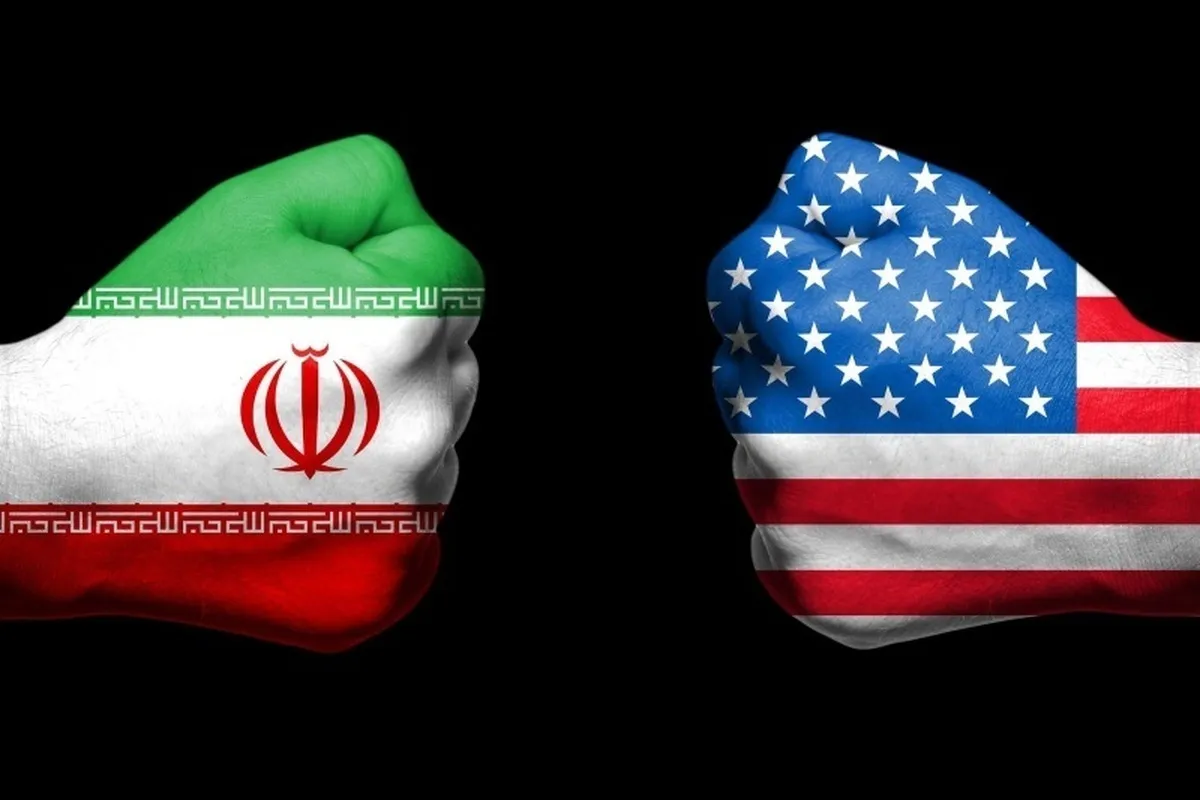
Jalal Khosh-Chehre, the editorial chief of Borna News Agency wrote: It is evident to all that the main players on today’s geopolitical chessboard are Tehran and Washington. The others either play the passive role of spectators or act as advisors and recommenders to one side or the other. It is these very sideline observers who sometimes cause confusion for the main players in their decision-making. It makes no difference whether it’s Israel, Europe, Russia, or China—each acts based on its own interests, playing a role in either escalating or potentially tempering the current crisis. However, if the goal is to reach a point of "equilibrium" in the ongoing tension, it is these two main players who must ultimately decide how to move their pieces. In this scenario, the others, at best, remain on the sidelines of the central text.
The Middle East, with its persistent crises, now resembles icebergs drifting in a thick fog, where parties move without secure footing. Thus, not only the main actors but also those on the sidelines believe that even the smallest miscalculation under current circumstances could lead to dire consequences.
Tehran is set to soon enter a new round of talks with the European troika. In the meantime, Iranian representatives have met with officials from Moscow and Beijing. Diplomatic consultations are taking place amid an unusually intense fog of threats and enticements, with time running short. However, no official date has yet been announced for the next round of suspended Tehran-Washington talks. One must now wait to see whether diplomatic dialogue will pave the way for negotiations that bring the two primary chess players closer to agreement—or whether attention will drift to peripheral issues that, in the end, will not play a decisive role in the fate of the Tehran-Washington standoff.
The influence of each sideline actor—even Israel over Washington’s policies—depends on two essential conditions: first, presenting compelling ideas for each party in the standoff; and second, the degree to which Tehran and Washington accept those ideas and the role of these peripheral players.
Tehran hopes that its dialogue with the European troika, alongside proposals from Beijing and Moscow, will offer a path out of the ongoing confrontation with Washington and, by extension, help resolve disputes with the International Atomic Energy Agency. Yet Tehran faces two challenges here: first, Europe’s risk-averse alignment with Washington’s confrontational policies, which has pulled the EU away from its past reconciliatory posture with Tehran; second, the “unlikely” scenario that the European troika would accept Beijing-Moscow proposals for resolving the current crisis. This is unlikely because Moscow’s relationship with Europe has deteriorated significantly due to the war in Ukraine. Meanwhile, Washington—unlike in the early days of Donald Trump’s administration—has also adopted a confrontational stance toward Vladimir Putin’s policies.
Despite benefiting from the European Union’s hardline stance against Tehran—bolstered by threats to activate the so-called SnapBack mechanism—Washington is unlikely to accept Brussels as a meaningful actor in the process. Trump wants to use current European positions instrumentally, but if any agreement is reached, he wants the credit for it himself. Furthermore, any broader strategy by Washington for confronting Tehran, or achieving a potential agreement, is shaped within the framework of its rivalry with China and its efforts to contain Russia’s role in the Middle East geopolitical landscape.
Therefore, although the two primary players on today’s chessboard have allowed sideline actors to voice their views, everyone—including themselves—understands that any potential agreement will be signed by Tehran and Washington. As such, the two main players must retain initiative and continue to take calculated actions to transition from the current state of confrontation to a new equilibrium. It is clear: the key players on today’s geopolitical chessboard are Tehran and Washington.
End Article


