Iranian Diplomat: Islamabad Talks Are 'Armed Negotiations'
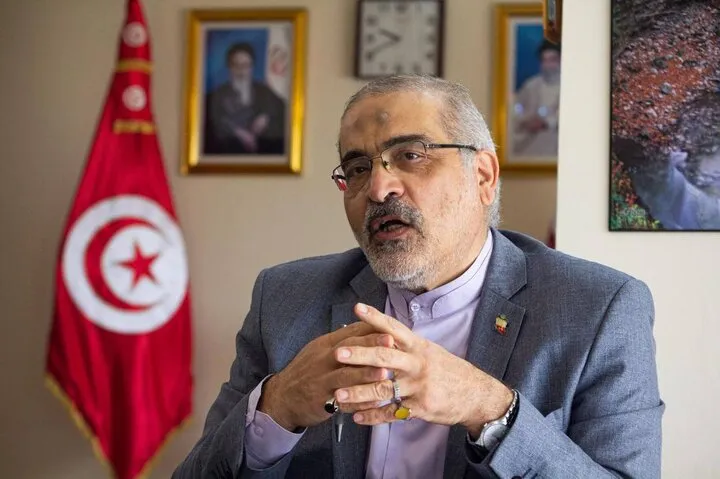
Tehran - BORNA - Mir-Masoud Hosseinian, the Ambassador of the Islamic Republic of Iran to Tunisia, emphasized in an interview with Russia's TASS news agency that participation in the next round of talks remains uncertain due to the divergence of positions between Iran and the U.S., as well as Washington’s policy of pressure and imposed conditions.
According to Hosseinian, the contradictory and shifting positions of the American side indicate instability and an inability to make clear and decisive decisions. He noted that the success of future stages depends on the level of seriousness and good faith of the opposing party, particularly in fulfilling commitments and respecting agreements.
The Ambassador added: "Iran participates in negotiations that we call 'armed negotiations' because we have no trust or confidence in the American side. We enter negotiations while our hands are on the trigger, prepared to defend our land and nation by any means possible."
He stated that the Iranian leadership, the nation, and the Armed Forces are in a state of full readiness across streets, squares, battlefronts, missile launch pads, and all regions to confront the enemy. "Iran has shown that it is more prepared than other countries to endure the consequences of this war, and it is now the international community's turn to defend itself against this illegitimate war launched by the United States against Iran," Hosseinian said.
Regarding guarantees for a potential agreement between Iran and the U.S., the Ambassador suggested that the UN Security Council, as the highest international body, could provide the necessary legal and political framework to register and verify the agreement. He argued that registering the deal with the Security Council would increase its international weight and create a global political commitment.
Hosseinian noted that, if necessary, the Security Council could establish monitoring mechanisms or collective response measures. He added that Russia and China, as permanent members of the Council, could play a political and guaranteeing role in the implementation of the agreement, including diplomatic support and preventing the violation or undermining of the deal.
The Ambassador emphasized that a combination of international institutions and major powers could help increase trust, stability, and the enforceability of the agreement.
Regarding relations with neighboring countries, Hosseinian stated: "The Islamic Republic of Iran defines its relations with neighbors, especially Persian Gulf countries, based on good neighborliness, mutual respect, and shared interests. However, the responsibility for paying reparations lies with the aggressor and those who supported the aggression." He pointed out that some Arab countries in the region directly participated in the aggression by allowing their territories to be used for U.S. military bases from which Iran was attacked.
The Iranian Ambassador to Tunisia concluded: "Despite all this, Iran does not adopt an approach based on creating tension or making political demands outside of legal and international frameworks toward its neighbors. What matters to us is the compensation for damages resulting from these aggressions."
End Article