Iranian court says US-linked oil cargo sold to compensate EB patients
Tehran - BORNA - The head of Branch 55 of the Court for International Affairs said the court had convened to enforce a final ruling in the case filed by the patients against the US government and its officials, seeking material and punitive damages over what the plaintiffs described as illegal and unjust sanctions that prevented them from obtaining essential medication.
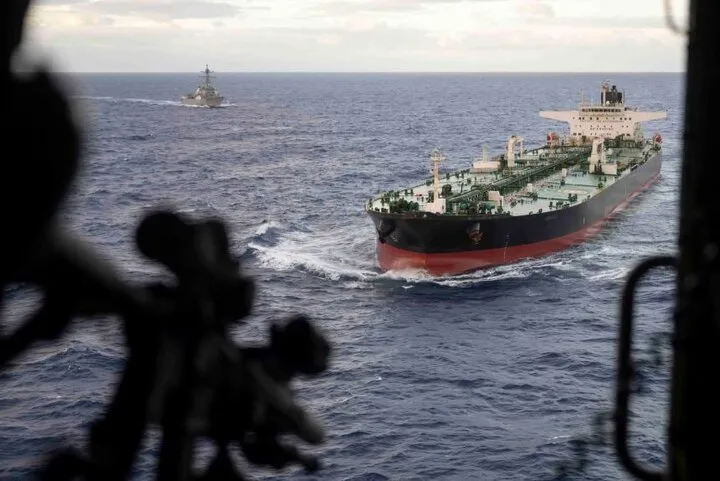
According to the judge, the Tehran judiciary seized an American oil tanker in the Persian Gulf in 2023, unloaded a cargo determined by the court to belong to the US government and later released the vessel.
He said the oil cargo was subsequently sold in accordance with Iranian civil enforcement procedures and the proceeds were deposited into an account belonging to the Iranian judiciary.
The court has now issued orders for the money to be distributed to eligible plaintiffs.
Under the order, the EB patients’ nongovernmental organization, known as Khaneh EB, is required to allocate 2 billion tomans to each of the 771 patients who took part in the lawsuit against the United States and transfer the money to their accounts.
The judge said the total value of the seized US assets, derived from the sale of the oil cargo, amounted to approximately $36 million to $37 million.
He added that the money would be distributed among Iranian plaintiffs, with EB and thalassemia patients and other patients who have filed lawsuits given priority.
Court blames US sanctions for blocking access to medicine
The head of Branch 55 said the court had conducted extensive inquiries to determine whether US sanctions had effectively prevented Iranian patients from accessing medicine.
He said the court sought information from a range of domestic and foreign institutions, including forensic medical authorities and nongovernmental organizations, and concluded that it had obtained documents showing what it described as direct and indirect US involvement in restricting access to medicine.
According to the judge, US Treasury restrictions either directly prevented pharmaceutical companies from supplying medicine to Iranian patients or, through restrictions on financial transactions involving Iran, discouraged companies from conducting business with the country.
He said that even where pharmaceutical companies had not explicitly been instructed not to supply medicine, fears of US sanctions had in practice prevented them from conducting transactions and shipping drugs to Iranian patients.
The judge argued that the sanctions had therefore undermined what he described as the fundamental human right to access medicine.
He said EB patients were among those who had been denied fair access to medication as a result of US sanctions, which he described as illegal and contrary to human rights principles.
According to the court official, the Tehran court’s ruling runs to more than 100 pages and examines the history of US sanctions against Iranians as well as information obtained from domestic and foreign bodies.
The judge said the seizure and sale of the oil cargo were intended as partial compensation for damages suffered by the patients.
“This is the first step toward compensating these patients,” he said, adding that similar proceedings involving thalassemia patients and others who have filed claims could follow.
He said money needed for compensation would be obtained through the seizure of US assets and distributed among Iranian claimants.
Payments to EB patients to begin
The court instructed Khaneh EB to begin distributing the allocated funds to eligible patients as soon as possible and to submit a full report to the court on the payment process.
Seyed Hamidreza Hashemi Golpayegani, head of Khaneh EB, told the hearing that EB patients had granted legal representation to the organization and a lawyer to pursue their complaint against US sanctions.
He said a specialized dressing known as Mepilex, produced in Sweden and used by EB patients in more than 180 countries, was essential for treating their wounds and had no effective substitute.
Hashemi Golpayegani said 771 of the roughly 1,250 EB patients in Iran had joined the lawsuit and that compensation from the oil sale would therefore initially be paid to those plaintiffs.
“For the first time in the Islamic Republic, we succeeded in confiscating assets belonging to the US government and using them for the benefit of these patients,” he said.
He argued that medicine and food should not be subject to sanctions and described restrictions affecting patients as unacceptable.
Hashemi Golpayegani also cited individual EB patients who, he said, had suffered severe consequences because of shortages of specialized dressings, including one patient who lost a leg after repeated surgeries.
The head of Branch 55 said the order to begin transferring the money would take effect immediately, although the process could take some time because of the number of patients involved.
He said payments to other groups of patients would continue in subsequent stages and would be announced publicly.
End Article