US Diesel Prices Hit Record High, Threatening to Reignite Inflation
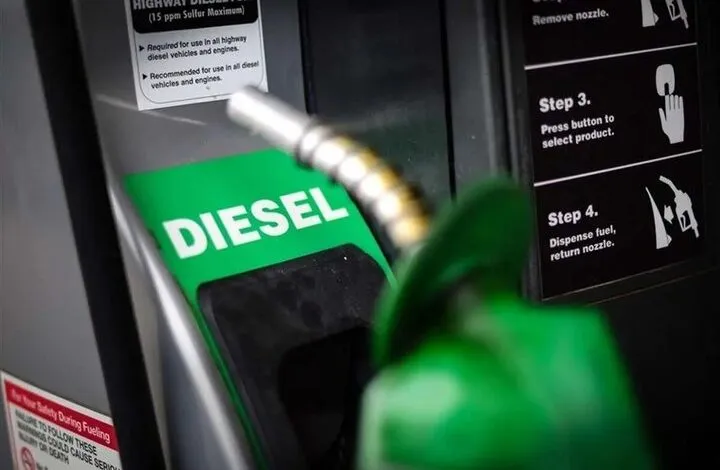
Tehran - BORNA - According to the US Energy Information Administration, the national average retail diesel price reached $6.29 per gallon in mid-September — the highest on record since the agency began publishing the series in 1994. The figure marked a sharp increase of nearly 69 cents from just two weeks earlier, and the American Automobile Association reported the price touching $6.44 per gallon later in the week.
The surge is being driven by a combination of factors, with tight global distillate supplies at the center. Reduced refining activity in Russia, China and the Middle East has increased demand for US diesel exports and pushed up import costs. Domestically, refiners are running at near-maximum levels, with utilization at 97 percent, yet distillate inventories have failed to build as they typically do in the summer months. Stocks are running well below the five-year average and, by some measures, stand at their lowest seasonal level in decades.
Compounding the supply crunch is the diesel crack spread — a key indicator of refining profitability — which has soared to record highs. The spread, which measures the difference between the price of crude oil and wholesale diesel, breached the $100-per-barrel mark for the first time in August and surpassed that record in early September. The signal is clear: this is as much a refining crisis as it is a crude oil one.
Ripple effects across the economy
Diesel is the single most universal tangible input in the US economy, powering the trucks, trains and machinery that move goods and grow food. Record prices are now creating significant ripple effects.
The transportation sector is feeling the immediate impact. Truckers are paying about 63 percent more to fill their tanks than a year ago, and some carriers are deciding to park their trucks because operations are no longer feasible. Major freight companies are reporting significant headwinds, with at least one large carrier citing a $10 million hit from fuel costs alone.
Farmers, in the midst of the fall harvest, are particularly vulnerable. With diesel above $6 a gallon, the cost of running equipment such as combines has soared. One Pennsylvania farmer noted that his equipment can burn 100 to 150 gallons in a single day — a cost he cannot pass on to buyers. Farm bankruptcies were already up about 19 percent in the year ending in June.
Economists warn that if these prices persist, they will eventually reach consumers across the board, affecting grocery prices, delivery fees and everything that moves by truck or train. Heating oil, a close relative of diesel, is also up roughly 60 percent since the war began, threatening to strain household budgets this winter.
Regional variation and outlook
Prices vary sharply by region. California continues to post the highest averages in the nation, with some areas reaching $7.98 per gallon, while the national average sits above $6.29.
Analysts see little immediate relief. Even if the Strait of Hormuz were to reopen, tight global refining capacity suggests energy bills could remain elevated well into next year, keeping diesel a significant contributor to broader inflationary pressure in the US economy.
End Article