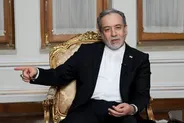
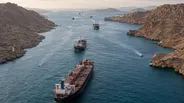
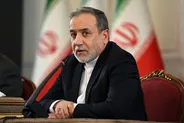
Iranian Foreign Minister Seyed Abbas Araghchi stated that Tehran has taken note of US President Donald Trump’s public reaction to Iran’s diplomatic proposal regarding the Strait of Hormuz, but is awaiting definitive positions conveyed through official mediators before making strategic decisions.
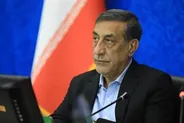
Iran’s Executive Vice President Mohammad-Jafar Ghaem-Panah has emphasized that regional stability and security must be determined exclusively by the nations of the region, asserting that the presence of extra-regional powers, particularly the United States, undermines collective peace.
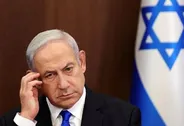
– Israeli newspaper Maariv has characterized Benjamin Netanyahu’s brief visit to the United States as a "major humiliation," reporting that US President Donald Trump and key political figures declined to meet with the Israeli prime minister on the sidelines of the UN General Assembly.
The Sanaa-based Yemeni government has dismissed Saudi claims regarding maritime disruption, declaring that the strategic Bab al-Mandab Strait remains open and secure for all international commercial shipping with the sole exception of Saudi-flagged vessels.
Iranian Foreign Minister Seyed Abbas Araghchi has outlined the operational framework of a seven-day initiative to reopen the Strait of Hormuz to maritime navigation, stressing that implementation will begin immediately once Washington formally accepts Tehran's conditions under the Islamabad Memorandum of Understanding framework.
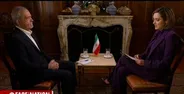
Iranian President Masoud Pezeshkian has stated that Tehran is prepared to honor its commitments regarding the reopening of the Strait of Hormuz and allow the return of United Nations nuclear inspectors if the United States accepts Iran’s latest diplomatic initiative.
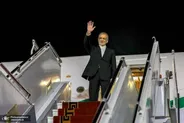
Iranian President Masoud Pezeshkian has wrapped up his diplomatic mission to the United States and departed New York for Tehran after addressing the 81st session of the United Nations General Assembly and conducting high-level sideline consultations.