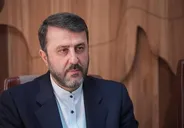
Iranian Deputy Foreign Minister for Legal and International Affairs Kazem Gharibabadi has strongly rebuked statements by US Treasury Secretary Scott Bessent regarding the dispatch of American delegations to pressure third countries into curbing economic ties with Tehran, asserting that the era of imposing political will through threats and sanctions has come to an end.
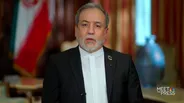
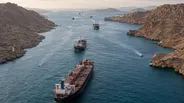
Iranian Foreign Minister Seyed Abbas Araghchi has declared that Tehran is fully prepared for diplomacy while remaining equally prepared for war, pressing Washington to explain why it rejected Iran’s proposed seven-day initiative designed to de-escalate regional tensions and restore normal commercial maritime transit to the Strait of Hormuz.
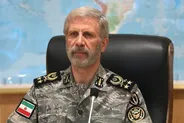
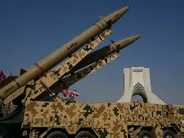
Emphasizing the war imposed by the US and Israel is at a critical and decisive juncture, Iran’s Army chief commander has emphasized that war is not over and aggressive enemy must be readied to receive a crushing blow from Iran.
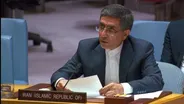
A senior Iranian diplomat has called on the United Nations to address the complicity of European countries in the war crimes committed by the United States and Israel during their war of aggression against the Islamic Republic.
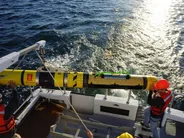
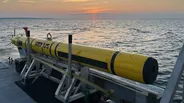
The capture of the US Remus 600 and Dive-LD submersibles hands Iran both the Pentagon’s Hormuz mine-clearing playbook and critical autonomous hardware. Exposing advanced sonar and drift-free navigation systems, the seizure resolves key bottlenecks in domestic uncrewed naval programs. Mirroring the impact of the RQ-170 capture on Iran's aerial drone power, this underwater windfall cements Tehran's asymmetric edge in the Persian Gulf.
The Islamic Revolution Guards Corps (IRGC) Navy has intercepted and captured a second advanced unmanned underwater vehicle (UUV) operated by the United States military in the Strait of Hormuz, the force announced in an official statement.
Iranian Foreign Minister Seyed Abbas Araghchi held separate bilateral meetings with his Turkish and Malaysian counterparts, Hakan Fidan and Mohamad Hasan, on the sidelines of the 81st session of the United Nations General Assembly in New York, reviewing regional security, maritime navigation in the Strait of Hormuz, and bilateral ties.
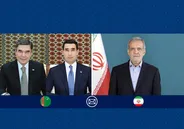
Iranian President Masoud Pezeshkian has congratulated the leadership and people of Turkmenistan on the anniversary of the country’s independence, expressing confidence that bilateral relations will continue to deepen based on mutual interests and fraternal kinship.
Iranian Foreign Minister Seyed Abbas Araghchi stated that Tehran has taken note of US President Donald Trump’s public reaction to Iran’s diplomatic proposal regarding the Strait of Hormuz, but is awaiting definitive positions conveyed through official mediators before making strategic decisions.
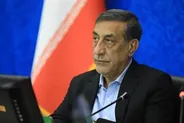
Iran’s Executive Vice President Mohammad-Jafar Ghaem-Panah has emphasized that regional stability and security must be determined exclusively by the nations of the region, asserting that the presence of extra-regional powers, particularly the United States, undermines collective peace.
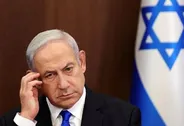
– Israeli newspaper Maariv has characterized Benjamin Netanyahu’s brief visit to the United States as a "major humiliation," reporting that US President Donald Trump and key political figures declined to meet with the Israeli prime minister on the sidelines of the UN General Assembly.
The Sanaa-based Yemeni government has dismissed Saudi claims regarding maritime disruption, declaring that the strategic Bab al-Mandab Strait remains open and secure for all international commercial shipping with the sole exception of Saudi-flagged vessels.