Gharibabadi in Kabul to Discuss Water Rights, Border Cooperation, and Extradition of Convicts
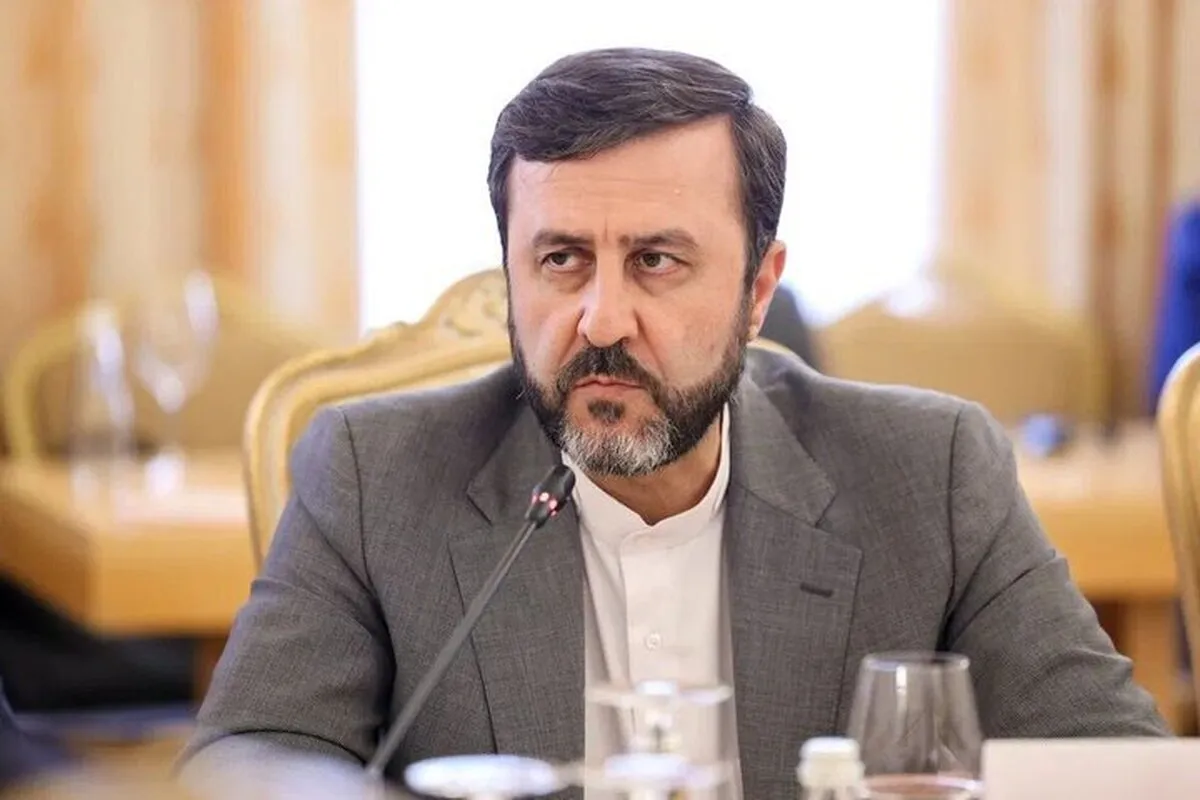
Tehran - BORNA - Upon his arrival, Gharibabadi stated in an interview with IRIB that his trip is part of Tehran’s regional policy and aligns with efforts to expand bilateral cooperation with Afghanistan. The senior Iranian diplomat stressed that his meetings with Afghan ministers and officials would specifically focus on water, border, and judicial issues, confirming opportunities for cooperation in these critical areas.
Iran and Afghanistan share longstanding concerns regarding Helmand River water rights, the management of their extensive shared borders, and the issue of Afghan nationals illegally residing in Iran.
Focus on Legal and Judicial Affairs
Later in the day, Gharibabadi met and held talks with Mawlawi Shamsuddin Shariati, Head of the General Directorate of Supervision and Follow up of Decrees and Orders of Afghanistan. Their discussions centered on legal and judicial cooperation between the two countries.
During this meeting, key understandings were reached concerning the transfer of convicts and the extradition of criminals. The officials also exchanged views and discussed the crucial matter of the consular rights of Iranian citizens currently held in Afghan prisons.
Welcoming the Iranian delegation, Amir Khan Muttaqi, the Director General of the Ministry of Foreign Affairs of Afghanistan’s acting government, emphasized the importance of high-level visits between the two neighboring countries. Muttaqi expressed optimism that Iran and Afghanistan, leveraging their common history, would boost cooperation in areas of mutual interest.
End Article