Araghchi Announces Full Freedom of Navigation in Strait of Hormuz for Ceasefire Duration
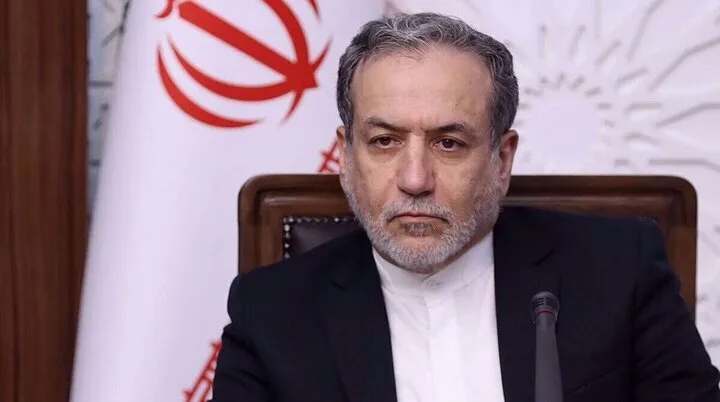
Tehran - BORNA - The full reopening of the Strait of Hormuz on the tenth day of the ceasefire between the United States and Iran comes after the Islamic Republic maintained firm pressure on Washington, asserting that the blockade would continue until Lebanon was explicitly included in the ceasefire agreement. The U.S. government and the Israeli regime eventually acceded to Iran's conditions.
The ceasefire was imposed on the Zionist-American front in Lebanon starting Thursday midnight and early Friday morning. In a post on X (formerly Twitter) today, Iranian Foreign Minister Seyed Abbas Araghchi stated: "This traffic must proceed through the coordinated and pre-announced routes designated by the Ports and Maritime Organization of the Islamic Republic of Iran."
This development follows admissions by the Hebrew newspaper Haaretz that Lebanon is now at the heart of political mediation linking Iran, the U.S., the reopening of the Strait of Hormuz, and nuclear negotiations. The newspaper noted that while Lebanon may appear to be a separate arena, for Tehran, it is an "inseparable part of any agreement" signed between Iran and the United States.
Earlier, Parliament Speaker Mohammad Baqer Ghalibaf emphasized that the ceasefire in Lebanon was solely the result of Hezbollah’s resilience and the unity of the Axis of Resistance. He remarked in a post that Iran would approach the ceasefire with caution, standing with its allies until final victory.
Furthermore, Foreign Ministry Spokesperson Esmaeil Baghaei confirmed that the cessation of hostilities in Lebanon was a formal component of the broader ceasefire agreement between the Islamic Republic of Iran and the United States.
End Article