IRCS and National IHL Committee Condemn Interference with Vessel Carrying Dialysis Supplies
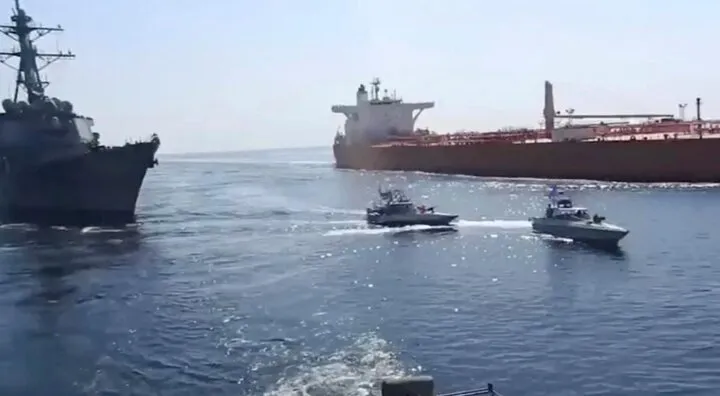
Tehran - BORNA - According to the statement published on the Iranian Red Crescent Society's information portal, following the concerning incident on the evening of Sunday, April 19, in the waters of the Sea of Oman—during which an Iranian commercial vessel was subjected to interference by United States military forces near the coasts of our country—the Red Crescent Society of the Islamic Republic of Iran and the National Committee on International Humanitarian Law strongly condemned this action by releasing their 11th joint statement.
In this statement, citing the fundamental principles of international law, including the principle of the prohibition of the use of force as set forth in Article 2(4) of the United Nations Charter and the customary rules governing the freedom of navigation, it is emphasized that any hostile action against civilian vessels is considered an explicit violation of the international obligations of states. Furthermore, according to the 1982 Convention on the Law of the Sea, the security of merchant ships and their crews must be respected under all circumstances.
Highlighting the humanitarian dimensions of the incident, the statement specifies: "Part of the vessel's cargo included raw materials required for the production of consumables for dialysis patients, belonging to the Soha Medical Equipment Company, an affiliate of the Red Crescent Society. Accordingly, any disruption in the supply of these vital data-x-items can directly threaten the health and lives of patients in need of dialysis services."
Furthermore, this action—due to creating threats, intimidation, and endangering the lives of civilian crew members—is deemed contrary to the fundamental principles of humanitarian law, including the principle of distinction and the principle of precaution in military operations. Any creation of fear and psychological pressure on civilians and their families is also condemned.
In another part of the statement, referring to existing arrangements for de-escalating tensions in the region, it is noted that such an act could violate international obligations related to maintaining peace and stability and may be examined within the framework of UN General Assembly Resolution 3314 (1974) as an instance of the unlawful use of force.
In conclusion, while emphasizing the need for unconditional respect for the peremptory norms of international law, the Red Crescent Society and the National Committee on International Humanitarian Law called upon competent international bodies, including the United Nations Security Council, to investigate this matter with an immediate, impartial, and responsible approach and to provide the grounds for the accountability of the perpetrators.
The statement also emphasized the necessity of guaranteeing the safety of international navigation, protecting the lives of civilians—especially patients in need of vital treatments—and adopting practical measures to compensate for the effects of this incident and support the affected individuals.
According to the report from the Iranian Red Crescent Society's information portal, this statement was signed by Dr. Pir-Hossein Koulivand, President of the Red Crescent Society and Chairman of the National Committee on International Humanitarian Law of the Islamic Republic of Iran.
End Article