Tehran and the IAEA: Dialogue Behind Closed Guards
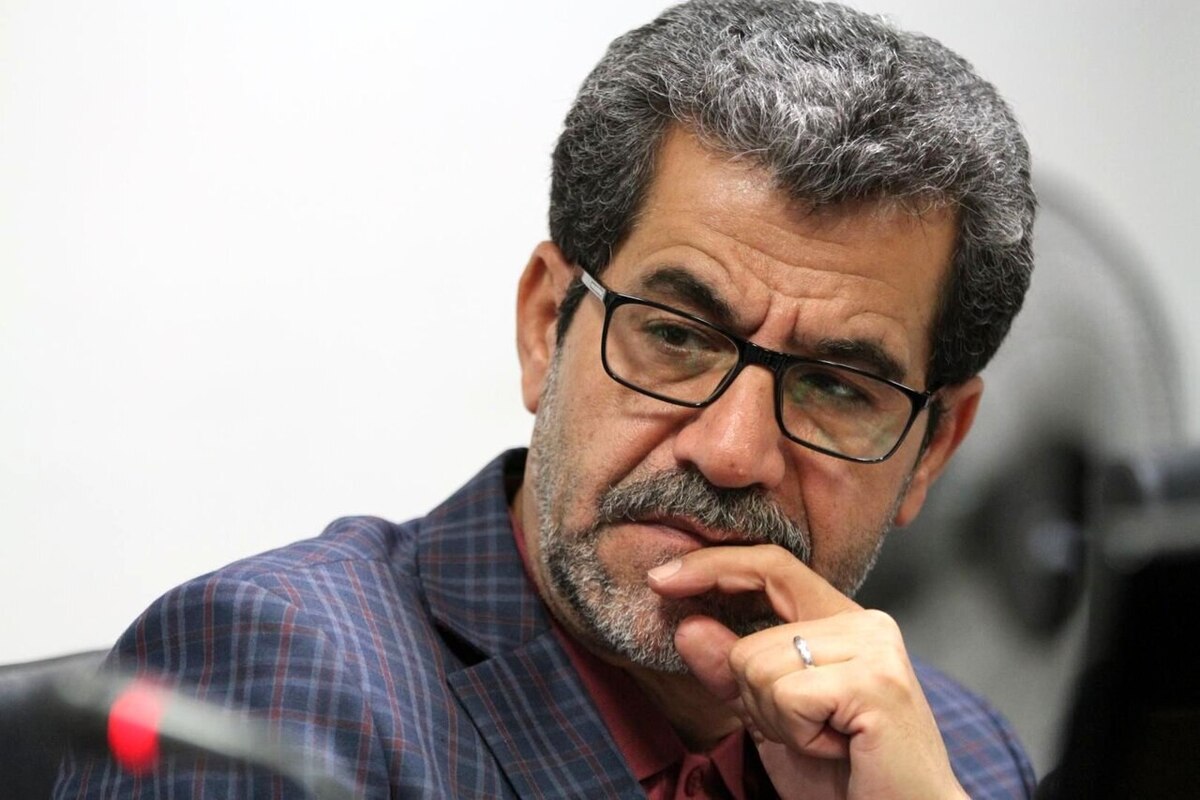
Jalal Khosh-Chehre, the editorial chief of Borna News Agency wrote: A delegation from the International Atomic Energy Agency (IAEA) is scheduled to visit Tehran soon. While inspectors will not be part of the visit, the delegation is expected to clarify the future framework of Tehran's cooperation with the Agency. However, serious questions remain: Can this trip bridge the widening gap between the two sides, especially when Tehran continues to view the actions of the IAEA Director General and nuclear inspectors with suspicion?
Tehran believes the recent imposed war stemmed directly from both the psychological and operational groundwork laid by Rafael Grossi’s report to the latest Board of Governors meeting. According to Tehran, this report served as a justification for Israel and the United States to launch their surprise attacks on Iran’s nuclear sites, assassinate its scientific and military figures, and violate its territorial sovereignty.
From Iran’s perspective, the IAEA has veered from its technical mandate and has aligned its behavior — especially in the lead-up to and aftermath of the 12-day war — with the strategic interests of Washington and the European troika (Germany, France, and the UK). In doing so, it has effectively sought to strip Tehran of its unilateral negotiating leverage. As such, Tehran is unlikely to lower its guard, particularly now that all Western parties appear to have coalesced around the idea of either “an agreement on everything” or “no agreement at all.”
In Tehran's view, the West's handling of the nuclear file and the ongoing threats to refer Iran to the UN Security Council serve three clear objectives:
-
Undermining Iran’s sovereign pride within its political framework;
-
Stripping Iran of its legitimate rights;
-
Imposing international isolation.
Meanwhile, Tehran’s record of engagement with the IAEA has consistently emphasized two levels of cooperation:
-
Documented insistence on technical justifications,
-
Efforts to clarify the peaceful nature of its nuclear program.
Prior to the recent imposed war, Iran had assumed that both the IAEA and the West — including the U.S. and Europe — were working toward creating a “containment ring” around Iran. Now, however, it sees their behavior, and that of the Agency, as part of a coordinated effort to suppress it. As a result, even though Tehran has previously expressed its willingness to negotiate, today it views any such overtures with deep skepticism.
The IAEA continues to demand four main objectives, cloaked in the language of technical oversight:
-
Implementation of safeguards obligations;
-
Progress on the 2022 agreement;
-
Full cooperation with the Agency;
-
Resumption of JCPOA implementation and formal confirmation of the program’s peaceful intent.
However, Iran — despite leaving the door open for dialogue — has consistently rejected nuclear apartheid and remains deeply suspicious of the West’s hidden and overt agendas, which it believes now aim not only to restrict, but to dismantle its nuclear program altogether. Tehran emphasizes that it will not allow its national pride to be compromised on this issue.
If the upcoming visit by the IAEA delegation — even in the absence of its inspectors — is to be seen as a narrow window through which “suspended diplomacy” may once again be activated, it must be acknowledged that optimism is difficult amid deepening distrust and a clash over almost every issue. Still, if we are to regard politics as “the art of the possible in impossible situations,” we must ask: What ideas and initiatives will IAEA representatives bring in their diplomatic suitcases to Tehran? And what proposals might Tehran have prepared in return, to reengage with the Agency and, by extension, the West?
It is important to note that for years, “buying time” benefited all sides. But today, spending that time is a different matter entirely.
Can the IAEA’s upcoming visit revive this diplomacy-in-suspension? Optimism may be in short supply, but cautious hope remains.
End Article