France’s Double Standards on Israel Expose Contradictions of Democracy
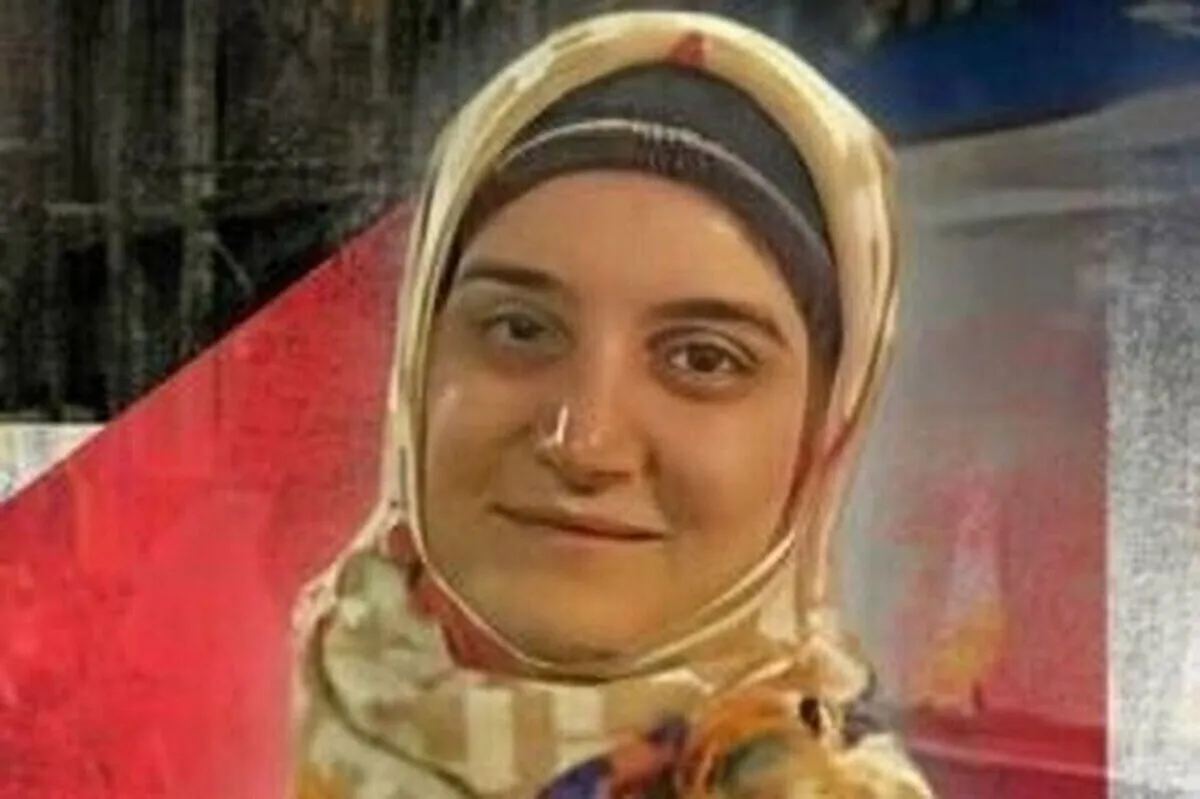
Tehran - BORNA - An examination of France’s foreign policy toward Palestine and Israel reveals a persistent contradiction that undermines the very democratic values Paris claims to uphold. Two figures, separated by decades, embody this critique: Roger Garaudy, the French philosopher and political theorist who sharply challenged France’s policies in the 1990s, and Mahdieh Esfandiari, a contemporary scholar of Middle Eastern politics whose work exposes the same paradoxes. Taken together, their views shed light on the depth of the crisis in French politics and the erosion of credibility in its proclaimed democratic principles.
In his controversial 1996 book The Founding Myths of Israeli Politics, Garaudy delivered a sweeping critique of Israel’s political-ideological framework, denouncing the instrumental use of Holocaust memory and urging France and the international community to adopt a more honest stance toward the Palestinians. His work not only provoked judicial reactions but also exposed France’s double standards: on one hand, presenting itself as a champion of human rights, and on the other, maintaining a complicit silence in the face of Israel’s violations. This contradiction raised a fundamental philosophical question: can the claim of democracy coexist with occupation and the denial of a people’s rights?
Decades later, Esfandiari, representing a new generation of Middle East analysts, revisited the same contradictions through a structural and institutional lens. She argues that France’s policies are not merely a matter of missteps or negligence, but rather deliberate products of geopolitical interests and power politics, cloaked in the language of democracy and human rights. From her perspective, such duplicity has deeply damaged France’s international credibility and eroded public trust in its promises to support a just resolution of the Palestinian question.
Both critiques reveal how the French government has instrumentalized democracy to legitimize its policies, applying the concept selectively in line with its strategic interests in the Middle East. In this way, democracy in its very “birthplace” is paradoxically trampled, while the rights of Palestinians are sacrificed to double standards. From this angle, French President Emmanuel Macron’s statements supporting the establishment of a Palestinian state appear more symbolic than substantive, contradicted by ongoing French support for Israel.
Ultimately, the insights of Garaudy and Esfandiari serve as a warning: persisting with these double standards not only obstructs peace and justice but also calls into question the very legitimacy of democracy and human rights at their source. For France to restore credibility, it must reexamine its policies and apply democratic principles consistently, free of political and economic expediency.
End Article